 FirstNom
Meat & fish
Beef for babies
If you only add one iron food, make it red meat. The iron in beef is heme iron, which a baby absorbs several times more efficiently than the iron in plants.
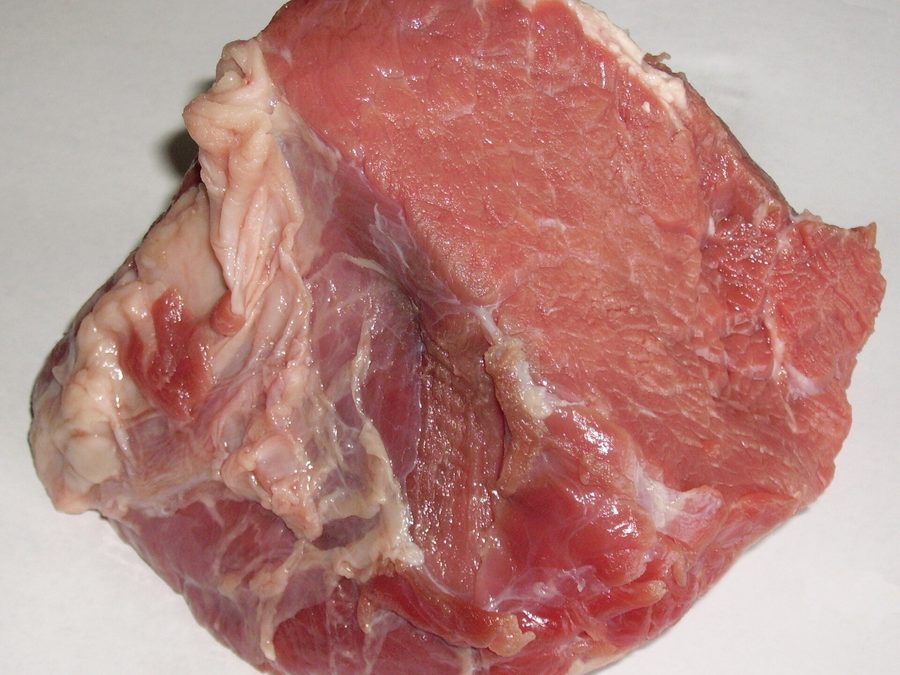
When can babies have beef?
From around 6 months, and the sooner the better. A full-term baby is born with iron stores that run down at roughly 6 months, and breast milk carries very little iron. Meat is the standard first-line answer to that in both AAP and WHO guidance — it is not an advanced food to work up to.
How do you serve beef to a baby?
The shape is what makes a food safe, and it changes as your baby’s grip and chewing change. Find your baby’s age band.
-
6–8 months
Easiest: mix cooked minced beef with a soft binder — mashed potato, thick tomato sauce, mashed beans — so it clumps and can be scooped or squashed onto a spoon. Or serve a long, thin strip of slow-cooked beef your baby can suck and gnaw on; they extract the iron-rich juices even if little meat comes off.
-
9–11 months
Small, soft meatballs, finely shredded slow-cooked beef, or minced beef in sauce. Ground meat is easier than any whole cut at this stage.
-
12–18 months
Meatballs, shredded braised beef, bolognese, or thin slices of tender roast cut across the grain into strips.
-
18–24 months
Family portions, cut into small pieces across the grain. Steak should still be tender and cut small — a firm cube of steak is a choking risk well past the second birthday.
Prep tip
Slow cooking is your friend. Braised or stewed beef falls apart into shreds a baby can manage; grilled steak does not, however small you cut it.
Storage
Cooked mince keeps two to three days refrigerated and freezes well in meal-sized portions. Reheat until piping hot all the way through, then cool before serving.
Is beef a choking hazard for babies?
Whole pieces of steak are a real hazard — meat does not break down against gums and a chunk can lodge. Serve beef either as a soft ground mixture, as long strips of well-cooked meat big enough to gnaw but too big to swallow, or shredded so finely it falls apart. Avoid bite-sized cubes of firm meat in the first year: that is the size and texture most likely to cause a problem.
Whatever you serve, stay within arm’s reach, keep your baby upright in a supportive seat, and never let them eat in a moving car, buggy or carrier. Gagging is loud and normal. Choking is silent.
Is beef a common allergen?
Beef is not one of the nine most common food allergens. Any food can trigger a reaction, though, so offer it on its own the first time and watch for hives, vomiting, swelling or a change in breathing over the next two hours.
Is beef healthy for babies?
Beef delivers heme iron, the form the body absorbs at around 15–35% compared with 2–20% for plant iron, and absorption from plants is further blocked by phytates in the same meal. It also carries zinc, which babies need for growth and immune function and which is also low in breast milk after 6 months, plus B12 and complete protein. There is no plant food that replaces it one-for-one.
| Iron (heme) | Very high |
|---|---|
| Zinc | Very high |
| Protein | Very high |
| Vitamin B12 | Very high |
| Iron per serving | ~1.3 mg |
Common questions about beef
Can a 6-month-old really eat meat?
Yes, and both the AAP and the WHO explicitly recommend it as an early food. The old sequence of cereal, then vegetables, then fruit, then meat months later has no evidence behind it and delays the most important nutrient in the transition.
My baby just sucks the strip and drops it. Is that pointless?
Not at all. That is how a lot of early meat-eating works — they take the juices, which carry iron and zinc, and abandon the fibre. It counts, and the chewing practice matters too.
How do I get iron in if we do not eat meat?
Lentils, beans, tofu, iron-fortified infant cereal and dark leafy greens, always paired with a vitamin C food in the same meal — strawberry, pepper, broccoli, citrus — which can multiply absorption several times over. It takes more planning, and it is worth discussing with your pediatrician, who may suggest checking iron levels.
Guides for this food
Reference material
Guidance on this page follows the sources listed below.
Foods parents look at next
Meat & fish
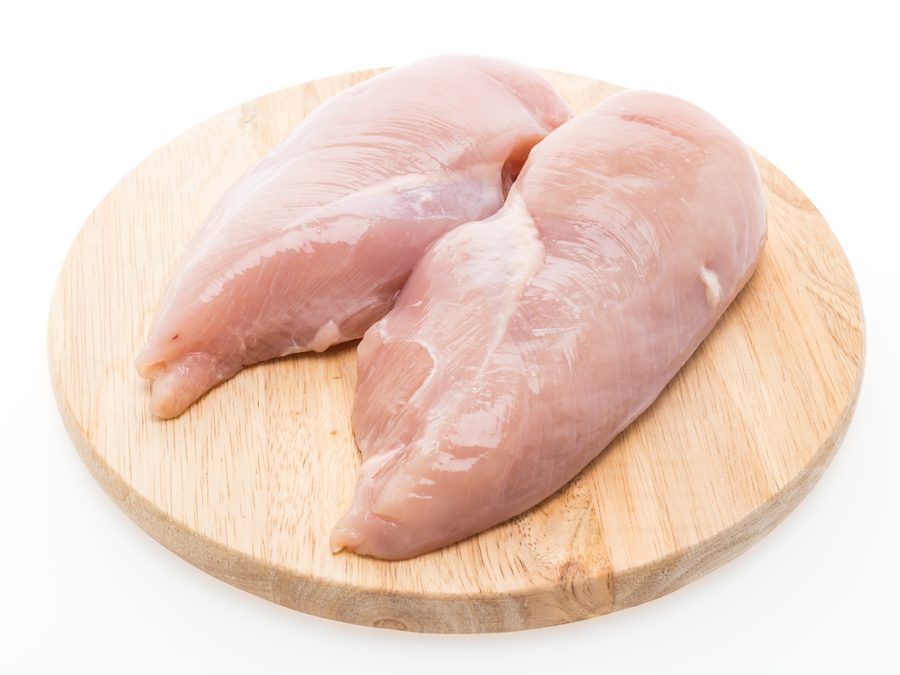
Chicken
Mild, familiar and easy to shred — the protein most babies accept without argument.
Beans & legumes
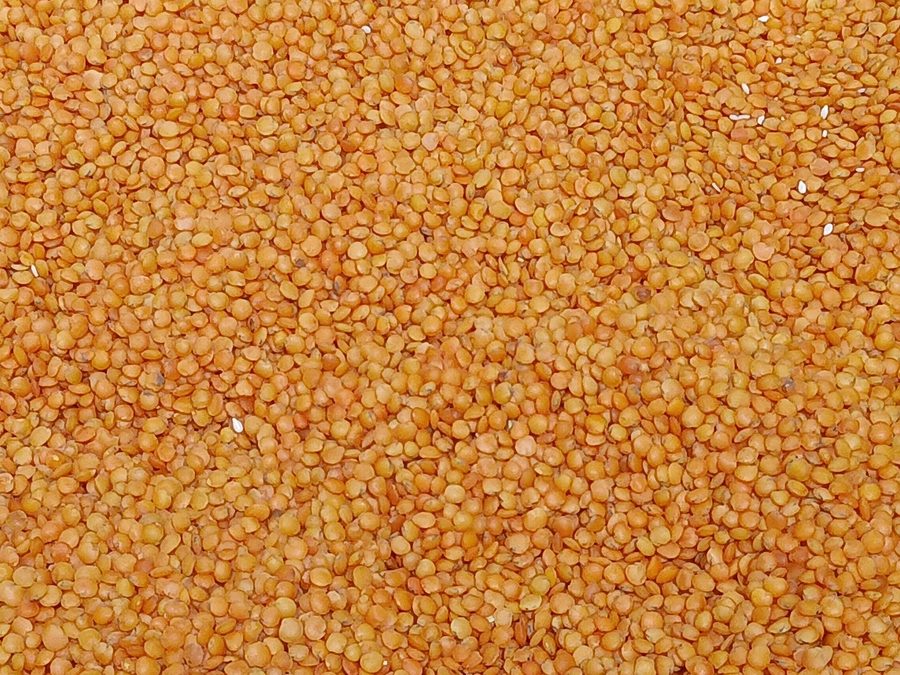
Lentils
The best plant iron source for babies — cheap, soft, and it cooks in twenty minutes.
Meat & fish
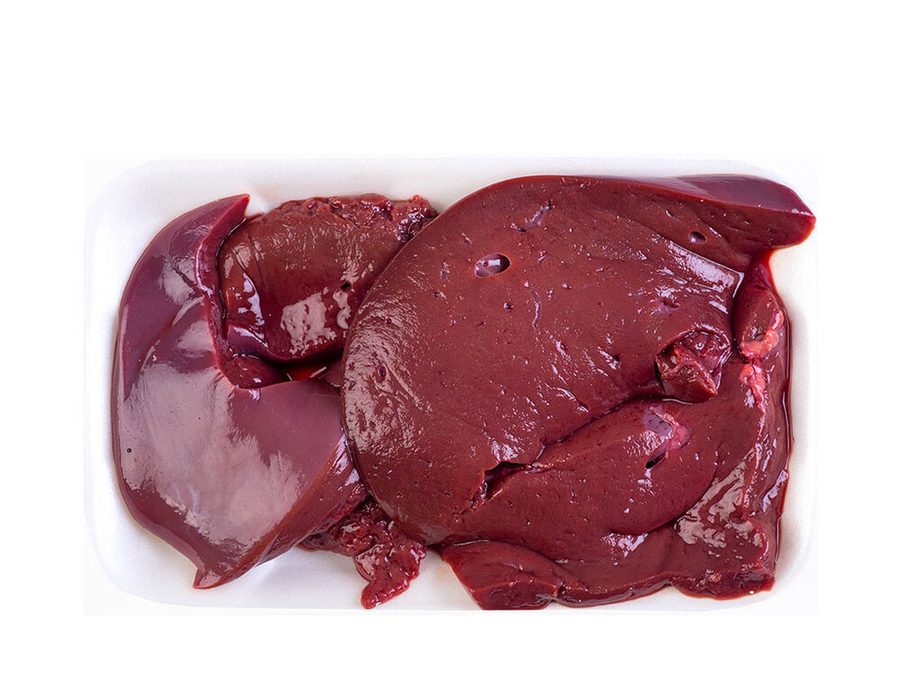
Beef liver
Nothing comes close on iron — but the vitamin A content means small amounts, not often.
Meat & fish
Lamb
Iron and zinc close to beef, with a stronger flavour babies often take better than adults expect.