 FirstNom
Fruit
Banana for babies
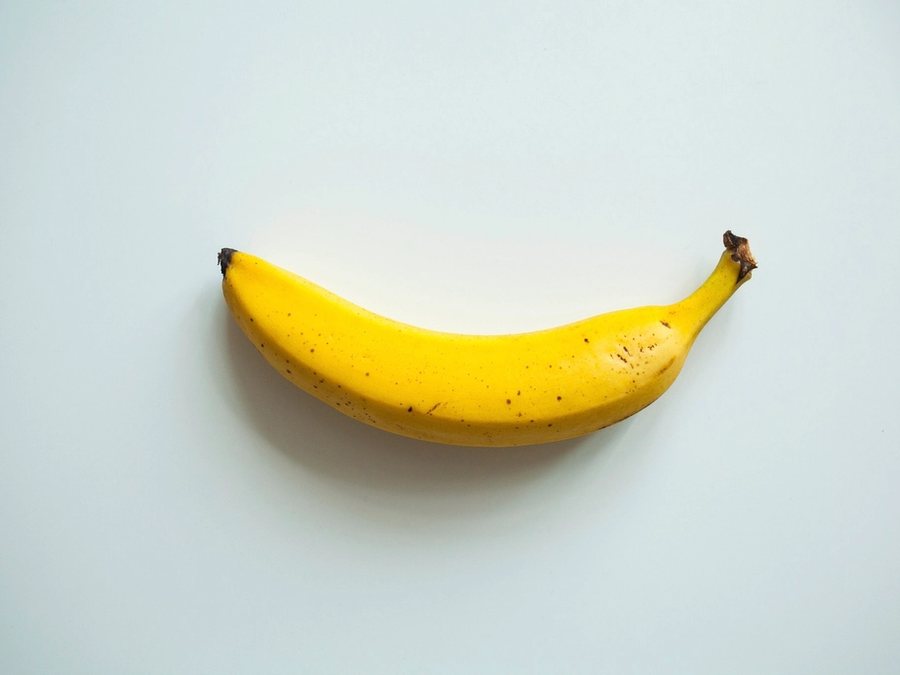
Banana needs nothing done to it, which is why it is in every first-foods list. The catch is that a peeled banana is almost impossible for a small hand to hold onto.
When can babies have banana?
From around 6 months. Banana is one of the few foods that is ready to serve exactly as it comes, which makes it the food most parents fall back on when they are out of the house or out of ideas.
How do you serve banana to a baby?
The shape is what makes a food safe, and it changes as your baby’s grip and chewing change. Find your baby’s age band.
-
6–8 months
Cut the banana in half across the middle and peel the skin down halfway, leaving the bottom half as a handle. Alternatively, score the peeled half lengthways into three and hand over one strip. Rolling it in infant cereal or ground almond fixes the slipperiness completely.
-
9–11 months
Bite-sized pieces, or a whole peeled half if your baby is confident and takes measured bites. Watch for stuffing — some babies will push in a whole half.
-
12–18 months
Halves, coins, mashed on toast, or sliced into yogurt. Let them peel it themselves; it is good practice and buys you two minutes.
-
18–24 months
Whole, as a snack. Frozen banana chunks blended into 'nice cream' are a good hot-day option.
Prep tip
The peel-as-handle trick — half the skin left on the bottom — solves the grip problem more reliably than anything else and takes five seconds.
Storage
Keep bananas out of the fridge until ripe; cold turns the skin black. Once ripe, the fridge slows things down. Overripe bananas freeze well for baking or smoothies.
Is banana a choking hazard for babies?
Ripe banana is low risk — it dissolves against the gums. Two cautions: under-ripe banana is firm and starchy rather than soft, and banana can form a sticky wad in the mouth if a baby packs in too much at once. Offer one piece at a time rather than a handful, and keep an eye on stuffing.
Whatever you serve, stay within arm’s reach, keep your baby upright in a supportive seat, and never let them eat in a moving car, buggy or carrier. Gagging is loud and normal. Choking is silent.
Is banana a common allergen?
Banana is not one of the nine most common food allergens. Any food can trigger a reaction, though, so offer it on its own the first time and watch for hives, vomiting, swelling or a change in breathing over the next two hours.
Is banana healthy for babies?
Banana is a reliable source of potassium and vitamin B6, and its fibre — particularly the resistant starch in slightly greener fruit — feeds gut bacteria. It is easy energy, which is worth something for a baby eating small volumes. It is very low in iron and protein, so treat it as the accompaniment rather than the meal.
| Potassium | High |
|---|---|
| Vitamin B6 | High |
| Fibre | Good source |
| Vitamin C | Some |
| Iron per serving | ~0.2 mg |
Common questions about banana
Do bananas cause constipation in babies?
Under-ripe bananas can firm stools up because of the resistant starch; fully ripe ones are much less likely to. If your baby is constipated, switch to pear, prune or apricot for a few days and make sure they are getting water with meals.
How do I stop the banana slipping out of my baby's hand?
Leave half the peel on as a handle, or roll the piece in infant oat cereal, ground almond or fine breadcrumbs. Both work first time.
Can babies have banana every day?
Yes, though variety matters more than any single food. If banana becomes the only fruit your baby will accept, keep offering others alongside it rather than instead of it — acceptance often takes ten or more exposures.
Recipes with this food
Breakfast · 20 min
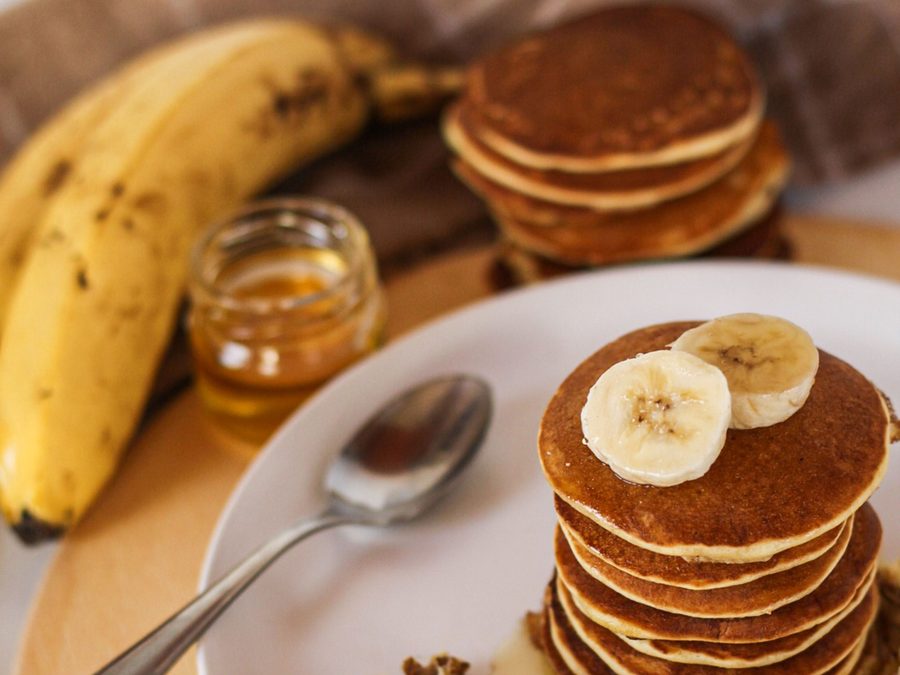
Three-ingredient oat and banana pancakes
Small, soft pancakes made from ripe banana, blitzed oats and egg, with ground flaxseed and cinnamon, cut into strips for little hands.
Snack · 33 min
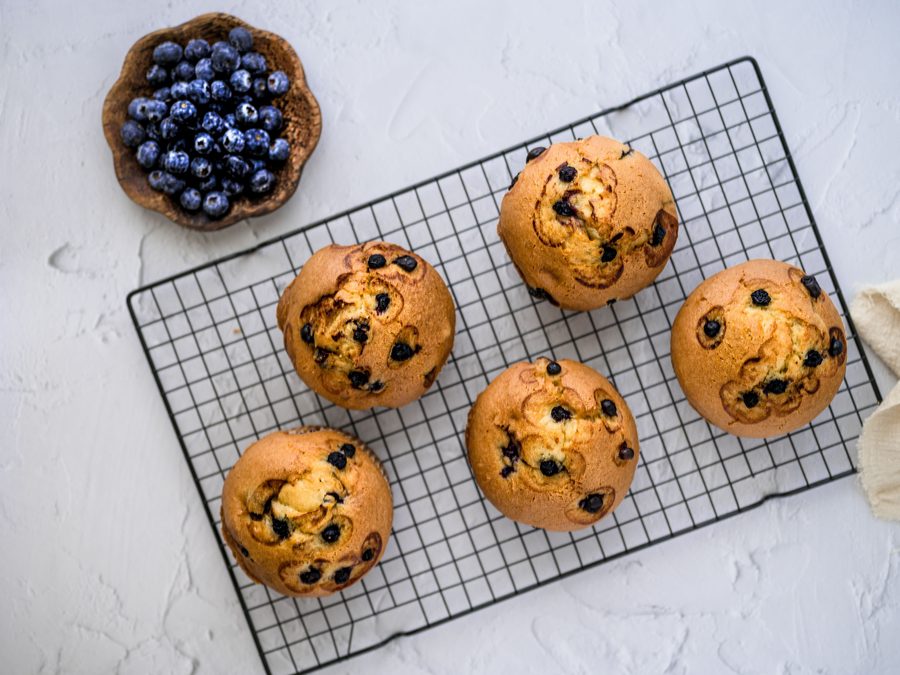
Banana oat blueberry muffins
Soft mini muffins made from blitzed oats, ripe banana, yogurt and egg, studded with halved blueberries and sweetened only by the fruit.
Guides for this food
Reference material
Guidance on this page follows the sources listed below.
Foods parents look at next
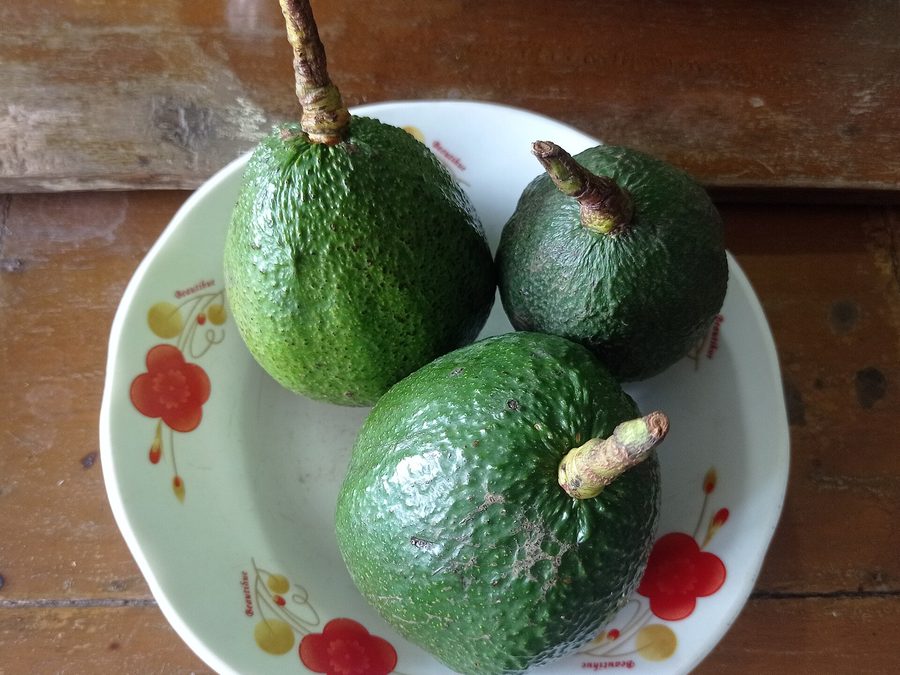
Fruit
Avocado
Soft, buttery and ready without cooking — the first food most parents start with.
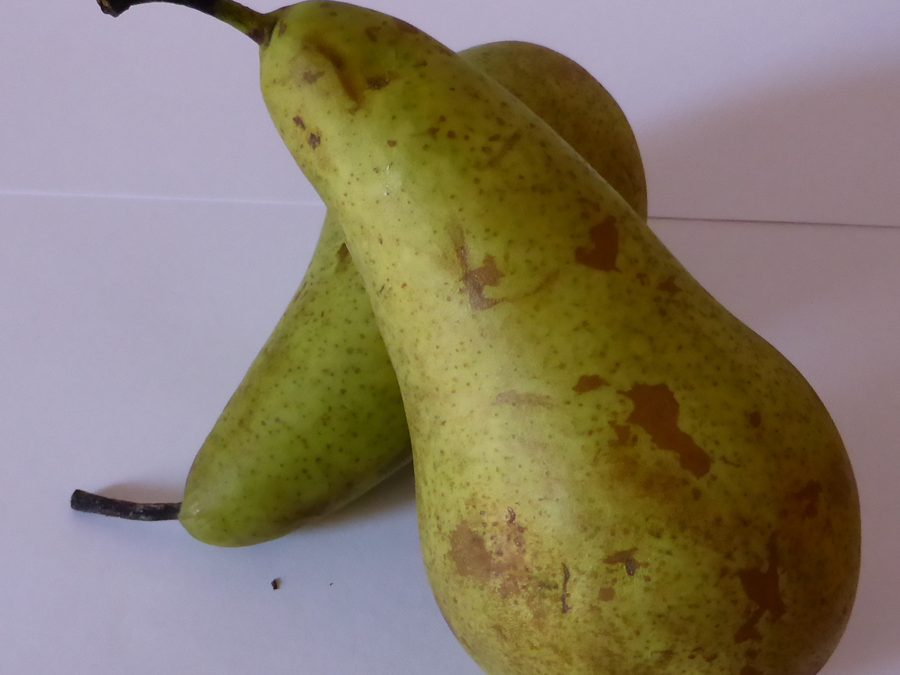
Fruit
Pear
Soft when ripe, gentle on the stomach, and the go-to fruit when your baby is constipated.
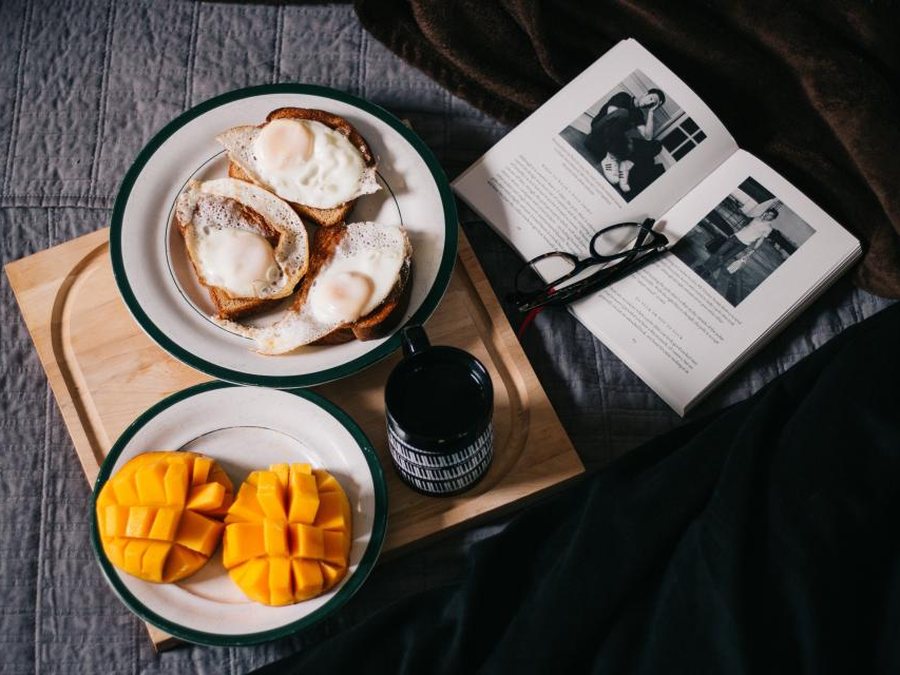
Fruit
Mango
Sweet, soft and packed with vitamin C — serve it with an iron food and it earns its place twice.
Grains
Oatmeal
An iron-fortified porridge is one of the simplest ways to hit a 6-month-old's iron target.