 FirstNom
Grains
Oatmeal for babies
Oatmeal is the workhorse of early solids: cheap, endlessly adaptable, and — if you use an iron-fortified infant version — one of the few foods that reliably moves the needle on iron.
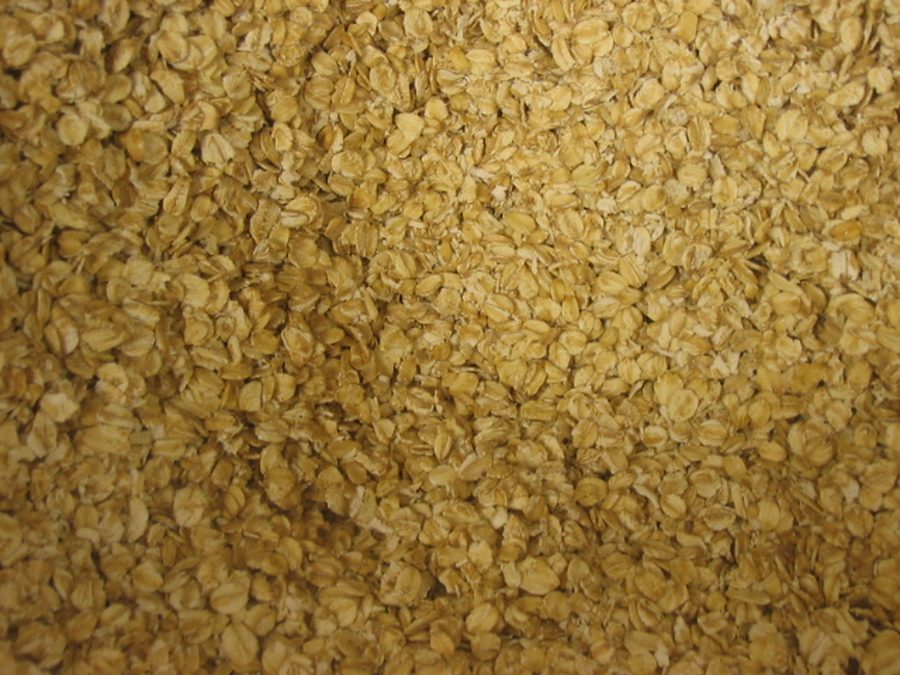
When can babies have oatmeal?
From around 6 months. Iron-fortified infant oat cereal is one of the standard first foods precisely because a baby's own iron stores start running low at about this age, and unfortified whole foods struggle to close that gap on their own.
How do you serve oatmeal to a baby?
The shape is what makes a food safe, and it changes as your baby’s grip and chewing change. Find your baby’s age band.
-
6–8 months
Cook to a thick porridge that holds its shape on a spoon rather than running off. Load the spoon and hand it over handle-first — self-feeding with a pre-loaded spoon starts here. Or spread it thickly on a strip of toast so it can be picked up.
-
9–11 months
Thicker still, with soft fruit stirred through. Let your baby try loading the spoon themselves; expect mess and count it as practice.
-
12–18 months
Regular porridge with fruit, nut butter thinned into it, or baked into oat fingers. Whole milk is fine to cook it in from 12 months.
-
18–24 months
Family porridge, overnight oats, oat pancakes. Still avoid granola clusters.
Prep tip
Thick porridge sticks to a spoon and to a baby's hand; thin porridge runs off both. When in doubt, make it thicker than looks right.
Storage
Cooked oatmeal keeps three days in the fridge and thickens as it cools — loosen with a splash of milk or water when you reheat. Reheat once only.
Is oatmeal a choking hazard for babies?
Cooked oatmeal is very low risk. Two caveats: serve it warm rather than hot, stirring thoroughly and testing on your own wrist, because porridge holds heat in pockets. And keep dry oats and granola clusters away from babies and toddlers — the hard clusters are a genuine hazard.
Whatever you serve, stay within arm’s reach, keep your baby upright in a supportive seat, and never let them eat in a moving car, buggy or carrier. Gagging is loud and normal. Choking is silent.
Is oatmeal a common allergen?
Oats are not one of the nine common allergens. They are, however, frequently milled alongside wheat, so a box of oats is not automatically gluten-free — look for a certified gluten-free label if that matters for your family.
Is oatmeal healthy for babies?
This is an iron food first and a breakfast second. A serving of iron-fortified infant oatmeal supplies a substantial share of a 6–12-month-old's 11 mg daily iron requirement — more than most single foods manage. Serve it with a vitamin C source such as puréed strawberry, mango or a squeeze of orange to increase absorption. Plain rolled oats are a fine food too, but they carry a fraction of the iron, so check the packet if iron is the goal.
| Iron (fortified) | Very high |
|---|---|
| Fibre | High |
| Beta-glucan | High |
| B vitamins | Good source |
| Iron per serving | ~4 mg |
Common questions about oatmeal
Do I have to use infant cereal, or will normal oats do?
Normal oats are a perfectly good food, but they are not fortified. If you are relying on oatmeal as an iron source — which many families are at 6 months — use an iron-fortified infant cereal, or make sure iron is coming from meat, lentils or beans elsewhere in the day.
Is there arsenic in oat cereal?
The arsenic concern applies to rice, not oats. Oat cereal is one of the standard recommendations for varying away from rice cereal for exactly this reason.
Can I mix formula or breast milk into oatmeal?
Yes, and it is a good way to make an unfamiliar texture taste familiar. Mix it in after cooking rather than boiling it, and do not save leftovers made with breast milk for longer than the milk itself would keep.
Recipes with this food
Breakfast · 20 min
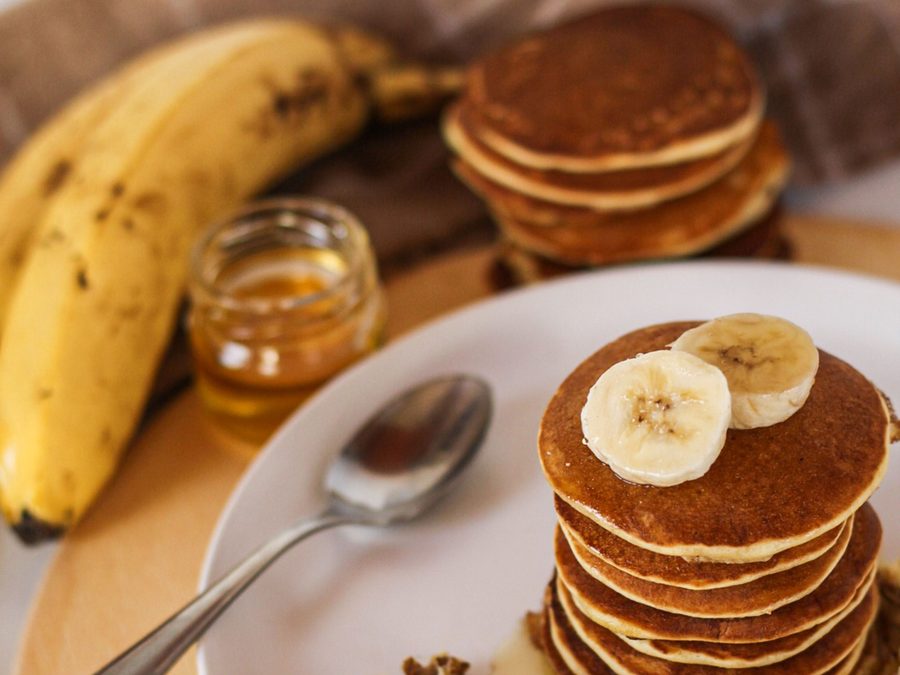
Three-ingredient oat and banana pancakes
Small, soft pancakes made from ripe banana, blitzed oats and egg, with ground flaxseed and cinnamon, cut into strips for little hands.
Snack · 33 min
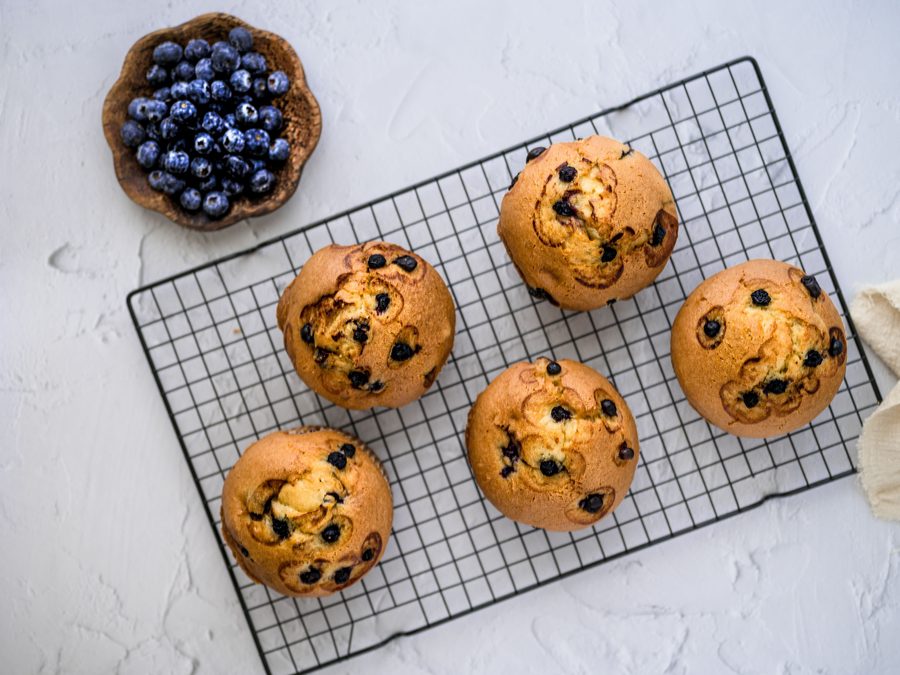
Banana oat blueberry muffins
Soft mini muffins made from blitzed oats, ripe banana, yogurt and egg, studded with halved blueberries and sweetened only by the fruit.
Guides for this food
Reference material
Guidance on this page follows the sources listed below.
Foods parents look at next
Grains
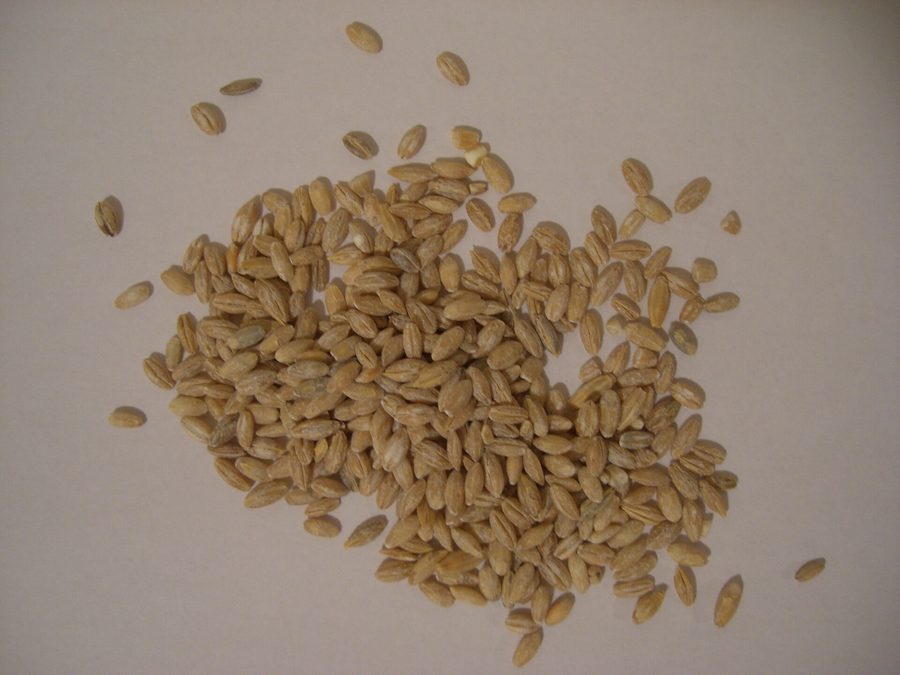
Barley
A chewy grain high in soluble fibre — cook it well past the packet time.
Grains
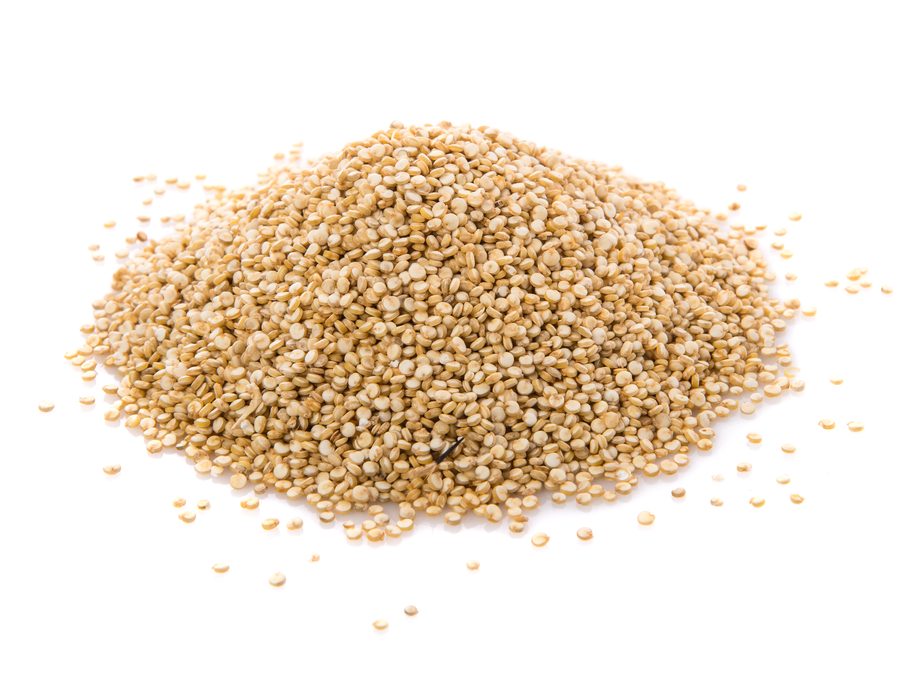
Quinoa
A complete plant protein with real iron — and a rinse step you should not skip.
Fruit
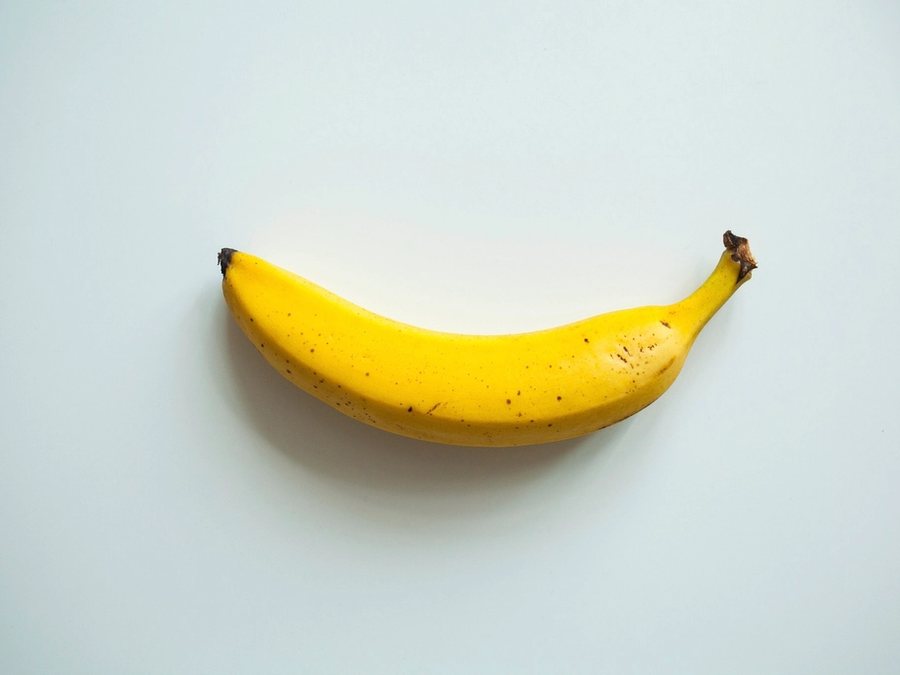
Banana
No cooking, no equipment, comes in its own wrapper — and slippery enough to need a trick.
Dairy & eggs
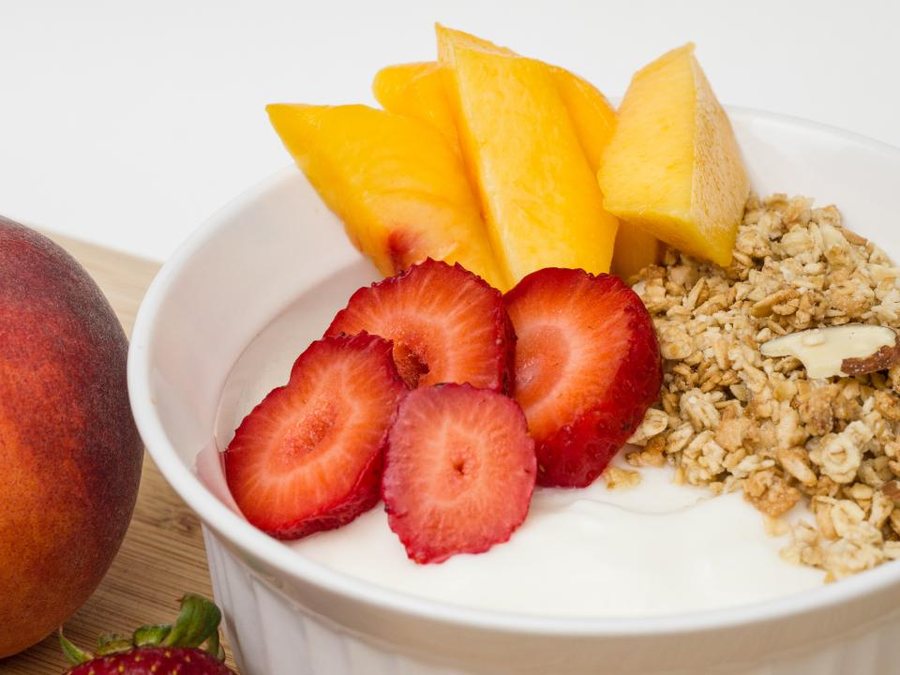
Yogurt
Plain whole-milk yogurt is fine from 6 months — long before cow's milk as a drink.