 FirstNom
Meat & fish
Chicken for babies
Chicken is the gentlest introduction to meat: mild in flavour, easy to cook soft, and simple to shred into a texture a 6-month-old can manage. Dark meat carries roughly twice the iron of breast.
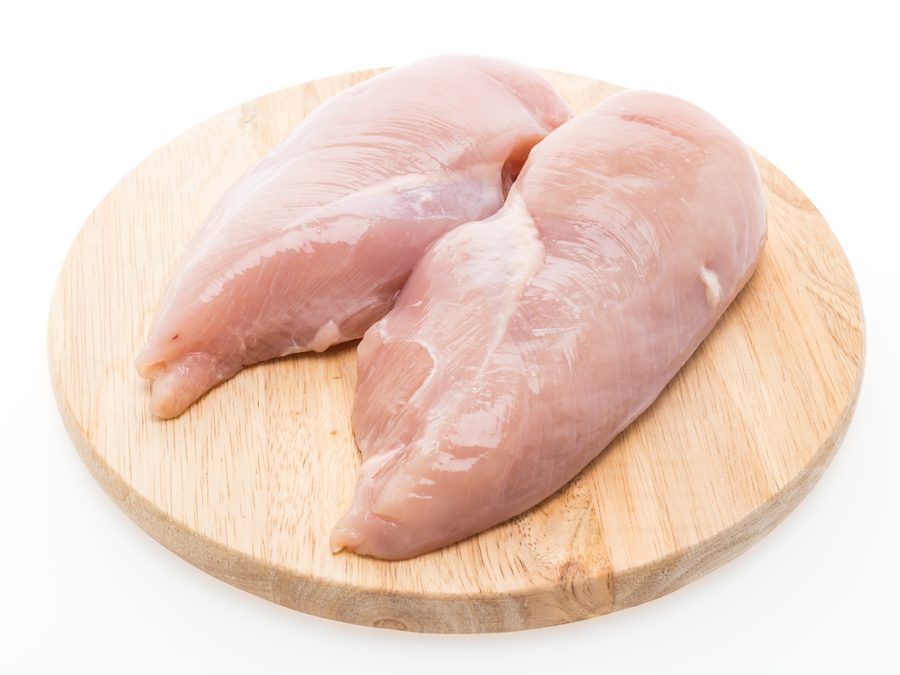
When can babies have chicken?
From around 6 months. Meat is recommended as an early food rather than a later one, and chicken's mild taste makes it an easy first. Use thigh rather than breast where you can — it is darker, moister and carries noticeably more iron and zinc.
How do you serve chicken to a baby?
The shape is what makes a food safe, and it changes as your baby’s grip and chewing change. Find your baby’s age band.
-
6–8 months
Poach or braise thigh meat until it falls apart, then shred it very finely and mix it with a moist binder — gravy, mashed vegetable, tomato sauce or yogurt. Alternatively, hand over a long strip of soft cooked chicken to gnaw on.
-
9–11 months
Finely shredded chicken, small soft chicken meatballs, or chicken in a thick sauce with pasta.
-
12–18 months
Shredded, in meatballs, in curry, or as strips cut across the grain. A drumstick with the skin removed can work as a hand-held from around 12 months, supervised, with the bone checked for splinters.
-
18–24 months
Family portions cut small. Watch for dry breast meat — moisture is what makes chicken manageable.
Prep tip
Chicken thigh, poached in stock and shredded, is the single easiest meat texture for a baby. Breast meat needs a sauce to be workable.
Storage
Cook chicken to 74 °C / 165 °F throughout. Cooked chicken keeps two days refrigerated. Cool it quickly and never leave it out more than two hours.
Is chicken a choking hazard for babies?
Cooked chicken breast dries out and turns stringy, and dry stringy meat is hard for a baby to break down. Serve it moist — poached, braised or shredded through a sauce — rather than as dry cubes. Bite-sized cubes of firm chicken are the shape to avoid in the first year. Never give a baby a chicken bone.
Whatever you serve, stay within arm’s reach, keep your baby upright in a supportive seat, and never let them eat in a moving car, buggy or carrier. Gagging is loud and normal. Choking is silent.
Is chicken a common allergen?
Chicken is not one of the nine most common food allergens. Any food can trigger a reaction, though, so offer it on its own the first time and watch for hives, vomiting, swelling or a change in breathing over the next two hours.
Is chicken healthy for babies?
Chicken is a complete protein with B6, niacin and zinc, and the heme iron in the dark meat is absorbed far better than plant iron. It is also the most forgiving meat to cook into a baby-friendly texture: poached thigh shreds with two forks into something a baby with no teeth can genuinely eat. Chicken is lower in iron than beef, so if iron is the main goal, red meat does more per serving.
| Protein | Very high |
|---|---|
| Vitamin B6 | High |
| Niacin | High |
| Zinc | Good source |
| Iron (heme, thigh) | Good source |
| Iron per serving | ~0.5 mg |
Common questions about chicken
Breast or thigh for babies?
Thigh. It is moister, easier to shred to a safe texture, and carries roughly twice the iron and zinc of breast. Breast is fine, but it needs a sauce to stop it going stringy.
Can babies have chicken stock or broth?
Home-made, unsalted, yes — it is a good cooking liquid. Shop-bought stock cubes and cartons are usually very high in salt and are best avoided under 12 months. A baby's kidneys cannot handle much sodium: the NHS limit is under 1 g of salt a day up to 12 months.
Is rotisserie chicken okay?
The meat itself is fine, but the skin and the outer layer are heavily salted. Pull meat from the inside, skip the skin, and treat it as an occasional shortcut rather than a staple.
Guides for this food
Reference material
Guidance on this page follows the sources listed below.
Foods parents look at next
Meat & fish
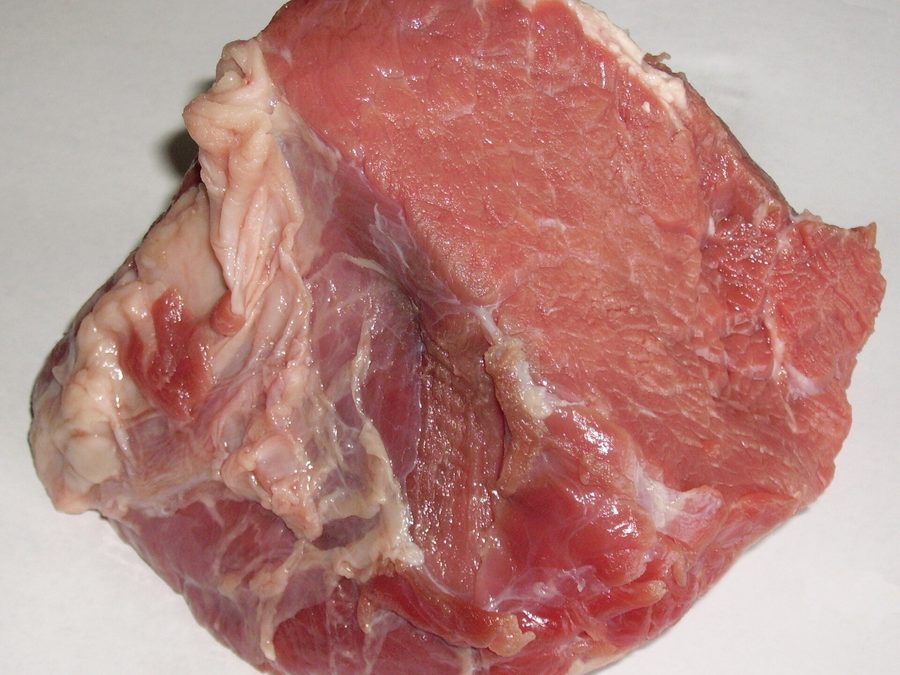
Beef
The single best food for closing the iron gap that opens at 6 months.
Meat & fish
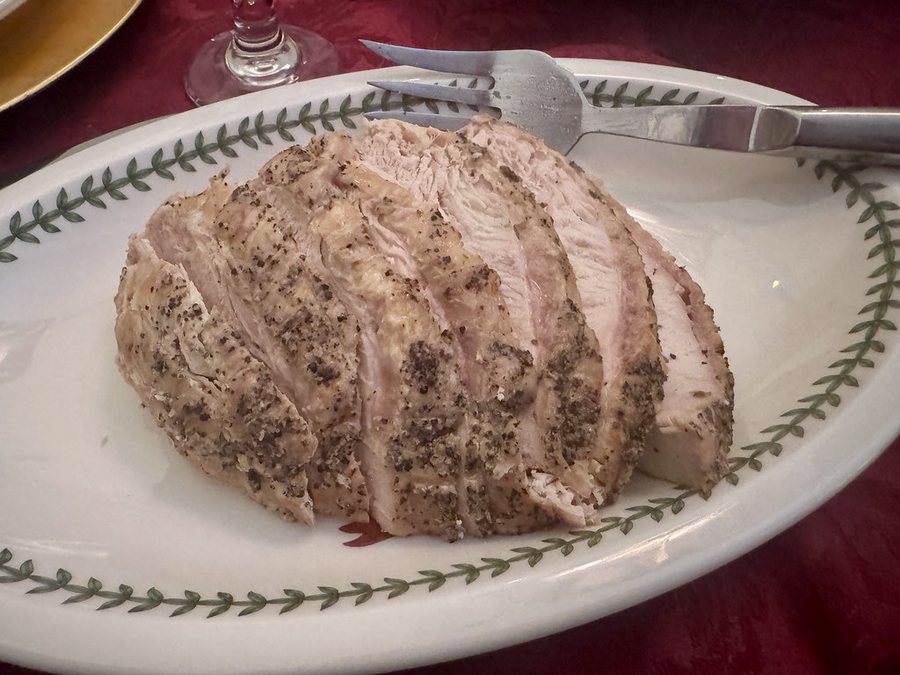
Turkey
Lean, mild and a touch more iron than chicken — with the same dryness problem.
Beans & legumes
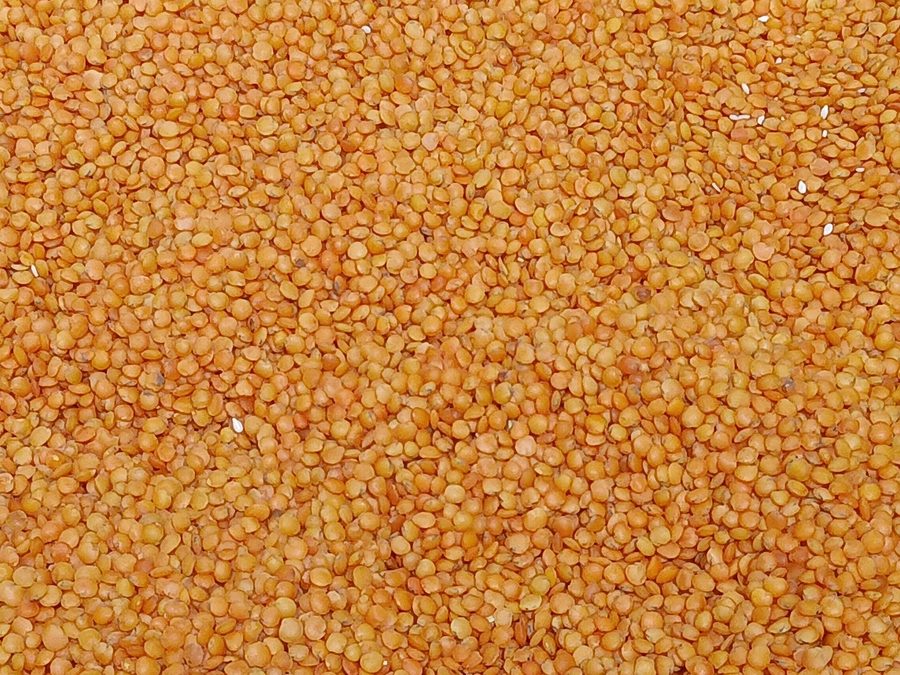
Lentils
The best plant iron source for babies — cheap, soft, and it cooks in twenty minutes.
Vegetable
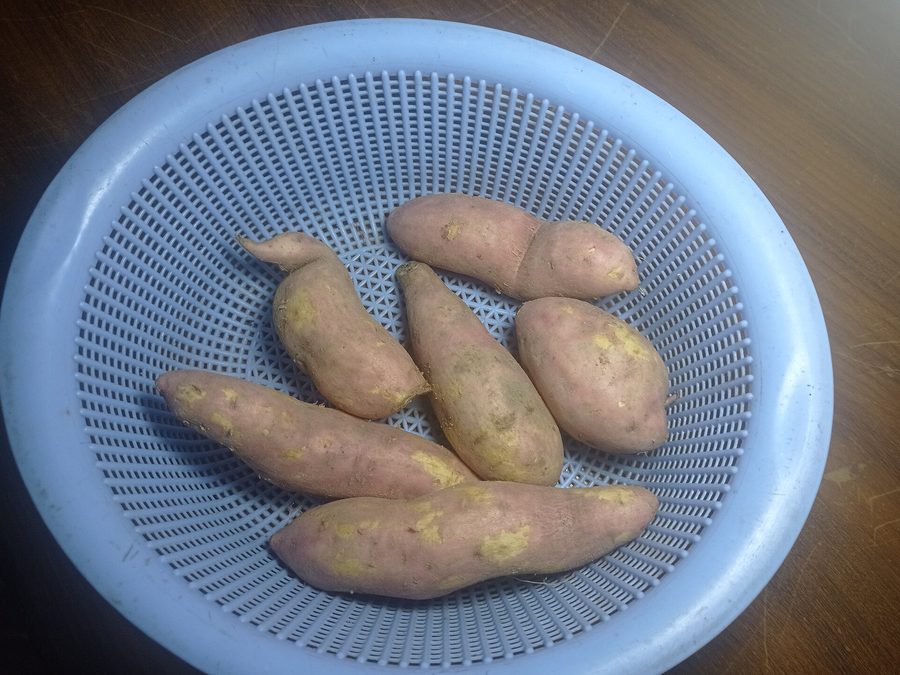
Sweet potato
Roasts to a soft, sweet spear that is easy to hold and hard to get wrong.