 FirstNom
Vegetable
Sweet potato for babies
Sweet potato is the vegetable most babies accept first, because it is sweet, and it holds its shape as a spear even when cooked to mush. Cook it well past the point you would for yourself.
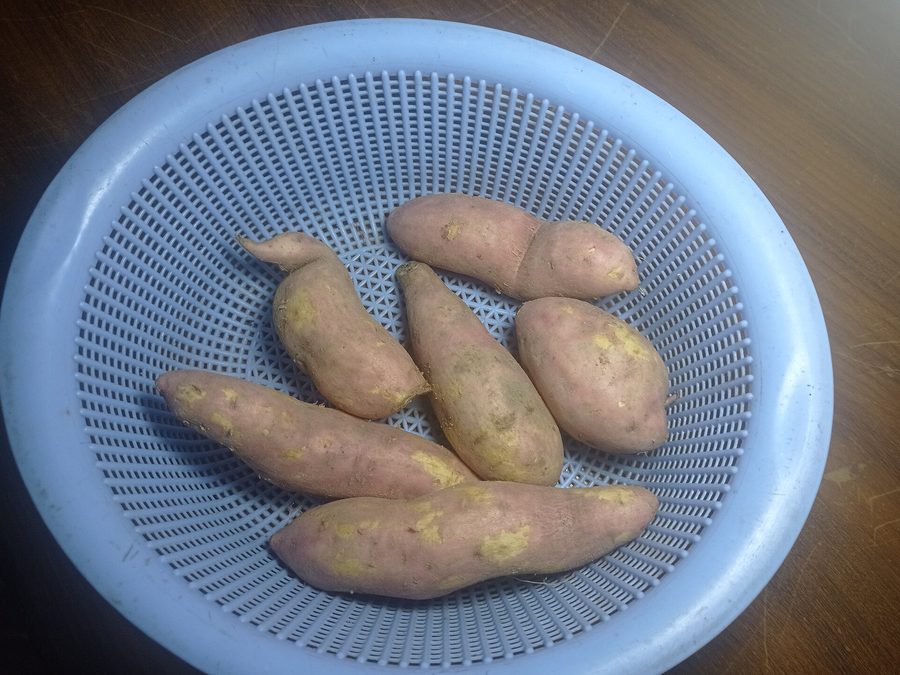
When can babies have sweet potato?
From around 6 months, once your baby is showing readiness. Sweet potato is often the very first vegetable offered because its natural sweetness makes it an easy sell, and because it roasts or steams into a shape a 6-month-old can actually hold.
How do you serve sweet potato to a baby?
The shape is what makes a food safe, and it changes as your baby’s grip and chewing change. Find your baby’s age band.
-
6–8 months
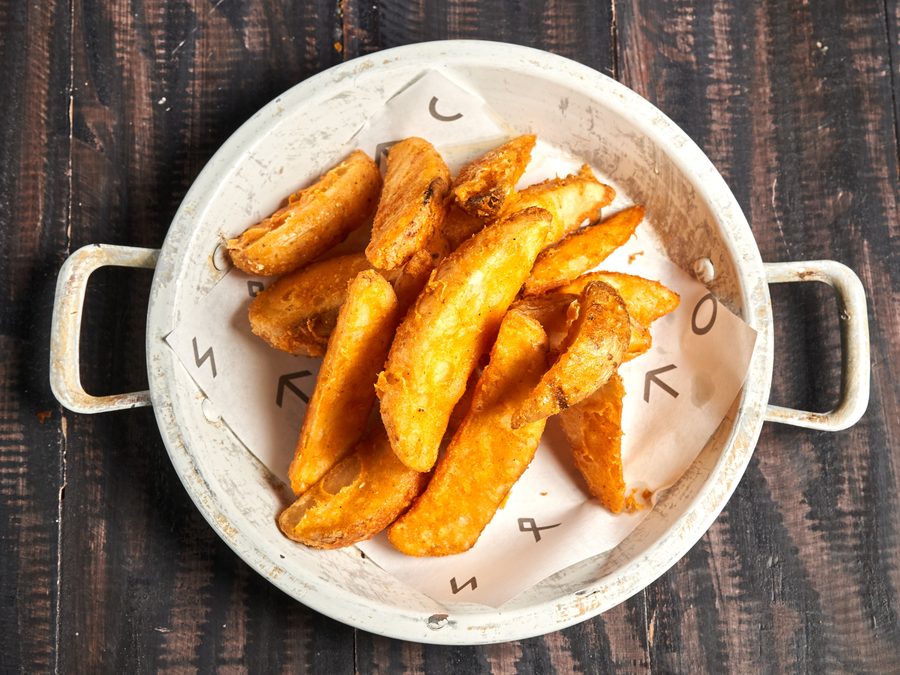
Peel, cut into wedges the length of an adult finger, and roast at 200 °C / 400 °F for 25–30 minutes until completely soft. Steaming works too but takes longer to reach the right texture. Serve one spear at a time.
-
9–11 months
Soft cubes around 1 cm, or continue with spears. Roasted skin-on wedges are fine now if the skin is soft and thin.
-
12–18 months
Cubes, wedges, mashed, or as sweet potato pancakes. Toddlers often prefer wedges they can dip — plain yogurt makes a good dip.
-
18–24 months
Family portions: roasted wedges, mash, or in a stew. Hold the salt.
Prep tip
Roasting concentrates the sugars and gives you a firmer-outside, softer-inside spear that is far easier for a baby to hold than a boiled one.
Storage
Cooked sweet potato keeps three days in the fridge and freezes well in portions. Raw sweet potato should be stored somewhere cool and dark but not in the fridge, which turns the starch hard and gritty.
Is sweet potato a choking hazard for babies?
Low risk once it is properly cooked. Undercooked sweet potato is the problem — firm cubes are the wrong texture for a baby who cannot chew. Test every batch by squashing a piece between your thumb and forefinger; if it holds its shape under pressure, it needs longer. Skin is edible but can peel off in a sheet in the mouth, so remove it before about 9 months.
Whatever you serve, stay within arm’s reach, keep your baby upright in a supportive seat, and never let them eat in a moving car, buggy or carrier. Gagging is loud and normal. Choking is silent.
Is sweet potato a common allergen?
Sweet potato is not one of the nine most common food allergens. Any food can trigger a reaction, though, so offer it on its own the first time and watch for hives, vomiting, swelling or a change in breathing over the next two hours.
Is sweet potato healthy for babies?
One serving of sweet potato covers a baby's vitamin A needs several times over — the beta-carotene that makes it orange converts to vitamin A, which matters for vision and immune function. It also carries vitamin C, which helps the body absorb iron from plant foods, so serving sweet potato alongside lentils or beans does more than either alone. Roast rather than boil where you can: boiling leaches the water-soluble vitamins into the water you pour away.
| Vitamin A | Very high |
|---|---|
| Vitamin C | Good source |
| Fibre | Good source |
| Potassium | Good source |
| Iron per serving | ~0.4 mg |
Common questions about sweet potato
Sweet potato or regular potato first?
Either is fine. Sweet potato tends to be accepted more readily because of the sweetness and it carries far more vitamin A; white potato brings more potassium and a milder flavour. There is no nutritional reason to introduce one before the other.
My baby's nose has gone orange. Should I worry?
No. That is carotenemia — harmless beta-carotene showing in the skin, most visible on the nose, palms and soles. It fades within a few weeks if you vary the vegetables. It does not affect the whites of the eyes; yellowing there is jaundice and needs a doctor.
Can sweet potato constipate my baby?
It is more likely to help than hinder — it is a good source of fibre. If your baby is constipated after starting solids, that is usually the transition itself rather than any one food. Pear, prune and plenty of water with meals all help.
Recipes with this food
Guides for this food
Reference material
Guidance on this page follows the sources listed below.
Foods parents look at next
Vegetable
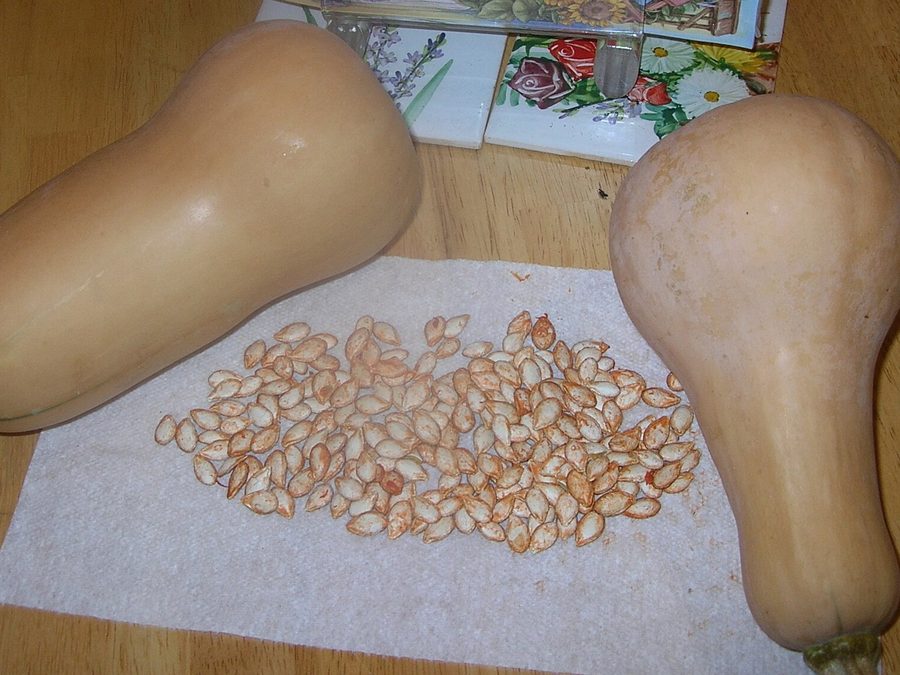
Butternut squash
Sweet, dense and it roasts into a spear that holds its shape better than almost any other vegetable.
Vegetable
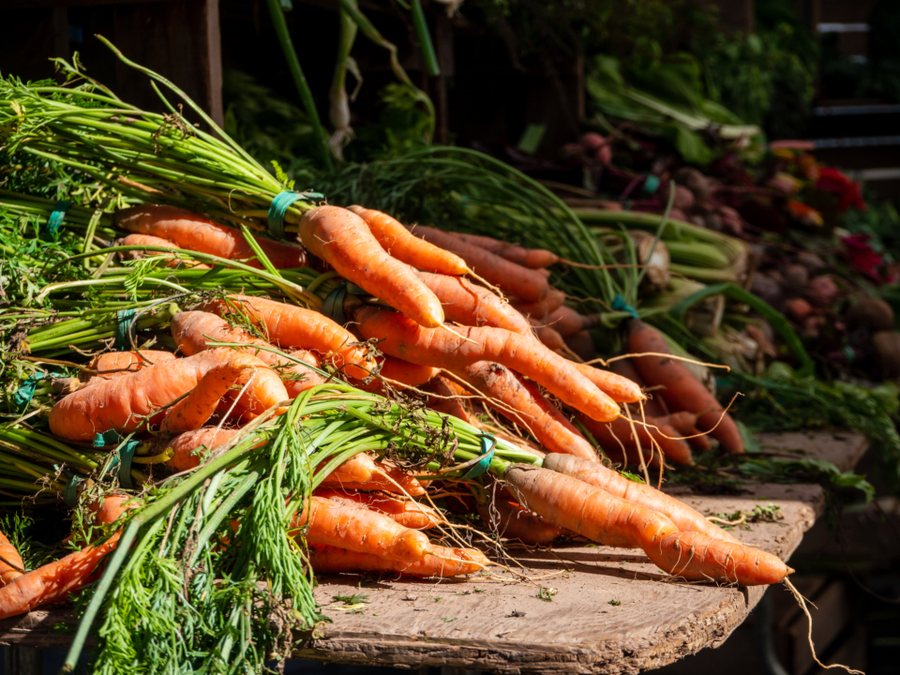
Carrot
Safe when cooked soft, one of the highest-risk foods when raw — the shape matters more here than almost anywhere.
Vegetable
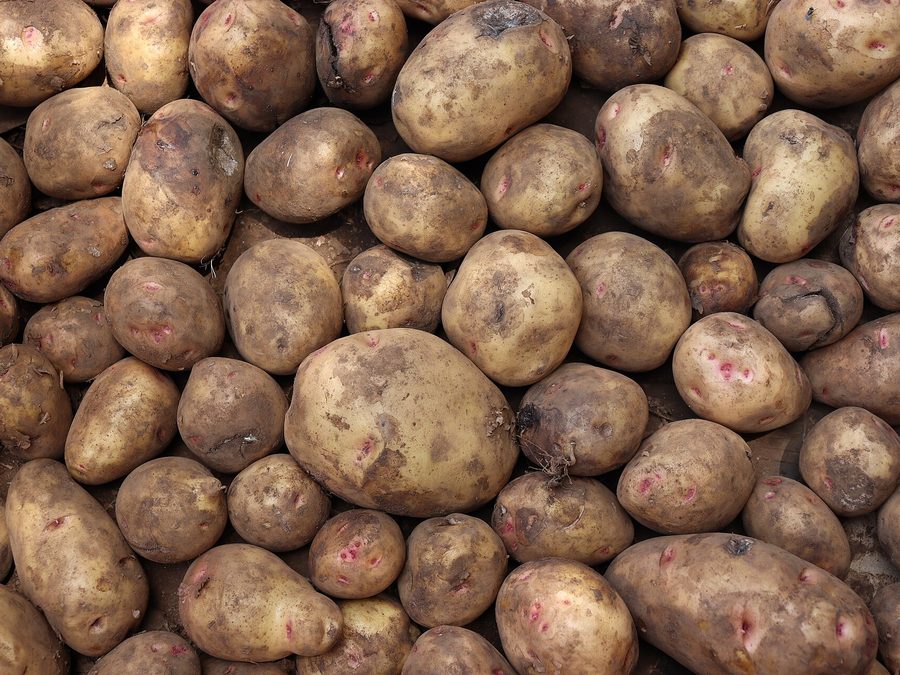
Potato
Mash it, roast it, or hand over a soft wedge — the most forgiving vegetable there is.
Fruit
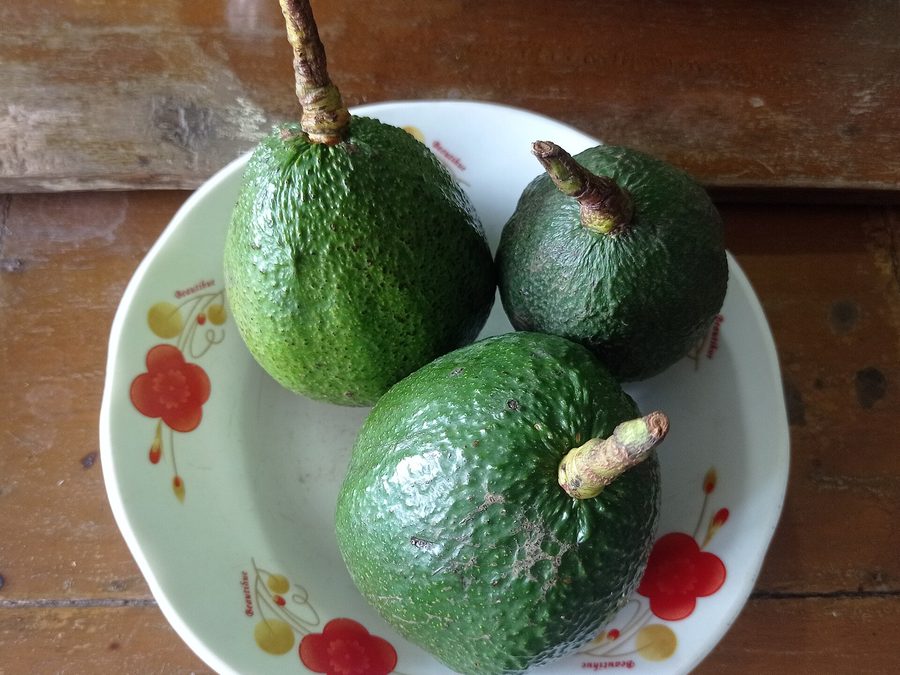
Avocado
Soft, buttery and ready without cooking — the first food most parents start with.