 FirstNom
Vegetable
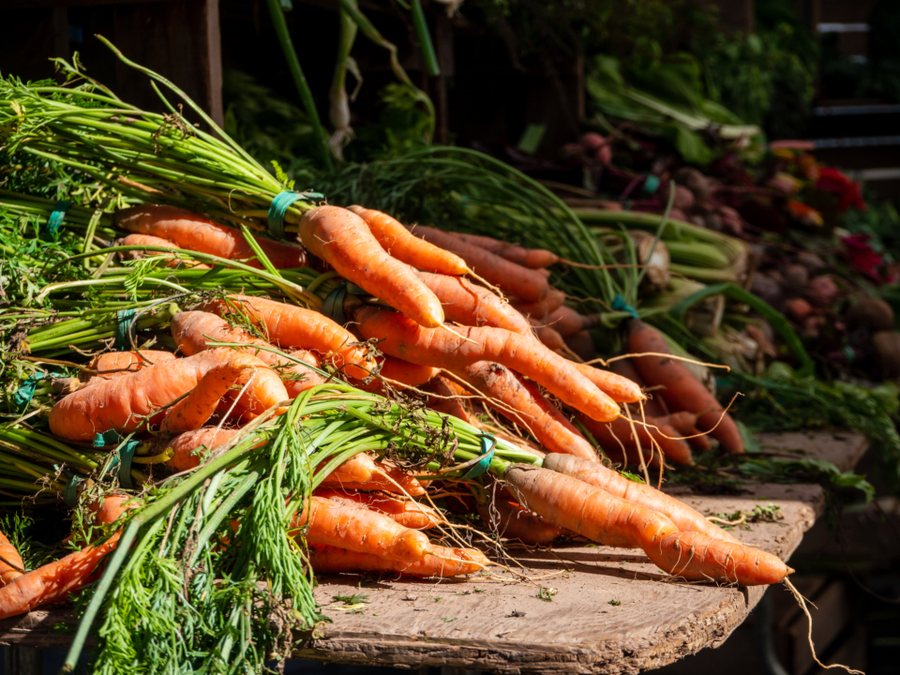
Carrot for babies
Carrot is a first-rate early vegetable and a serious choking hazard, and which one it is depends entirely on how you cut and cook it. Raw carrot coins are on every hazard list there is.
When can babies have carrot?
Cooked, from around 6 months. Raw, not until around 4 years. That gap is not caution for its own sake — raw carrot appears repeatedly in choking-incident data for children under 5.
How do you serve carrot to a baby?
The shape is what makes a food safe, and it changes as your baby’s grip and chewing change. Find your baby’s age band.
-
6–8 months
Peel, cut into finger-length batons rather than coins, and steam or roast until completely soft. Test by squashing. Serve one baton at a time.
-
9–11 months
Soft cooked batons, or small soft pieces for pincer practice. Still cooked, still not coins.
-
12–18 months
Cooked batons, roasted carrot, grated cooked carrot in fritters, or carrot in a stew. Raw is still not appropriate.
-
24 months+
Raw carrot should wait until around 4 years. If you want the crunch earlier, grating raw carrot very finely into a fritter that is then cooked is a safer route.
Prep tip
Always cut lengthways. A coin is the single worst shape for a round, firm vegetable — batons and sticks cannot seal an airway the same way.
Storage
Raw carrots keep weeks in the fridge in a sealed bag. Cooked carrot keeps three days and freezes well as purée or batons.
Is carrot a choking hazard for babies?
Raw carrot is one of the highest-risk foods for young children: hard, round, and exactly the diameter of a small airway. Raw carrot — including sticks, coins and grated shreds in a salad — should be off the menu until at least 4 years. Cooked carrot is a different food entirely: steam or roast it until it squashes easily between your fingers and it is low risk. Never serve carrot coins, cooked or raw, in the first year; cut lengthways instead.
Whatever you serve, stay within arm’s reach, keep your baby upright in a supportive seat, and never let them eat in a moving car, buggy or carrier. Gagging is loud and normal. Choking is silent.
Is carrot a common allergen?
Carrot is not one of the nine most common food allergens. Any food can trigger a reaction, though, so offer it on its own the first time and watch for hives, vomiting, swelling or a change in breathing over the next two hours.
Is carrot healthy for babies?
Carrots are one of the densest sources of beta-carotene, which the body converts to vitamin A for vision, skin and immune function. Cooking actually improves availability here — heat breaks down the cell walls and makes the carotene easier to absorb — and a little fat in the same meal helps further, so a roasted carrot with olive oil beats a raw one nutritionally as well as on safety.
| Vitamin A | Very high |
|---|---|
| Fibre | Good source |
| Vitamin K | Good source |
| Potassium | Some |
| Iron per serving | ~0.2 mg |
Common questions about carrot
When can my baby have raw carrot sticks?
Around 4 years, and some guidance says 5. Until then, all carrot should be cooked soft. Raw carrot is on the CDC and AAP choking-hazard lists precisely because it is hard, round and the wrong size.
Is it safe to grate raw carrot into food?
Fine strands in a cooked fritter or a bake are generally fine. Loose raw grated carrot in a salad is riskier than it looks for under-4s, because the strands can tangle into a wad.
My baby's skin has turned slightly orange.
Carotenemia — harmless. It comes from a lot of orange vegetables and fades over a few weeks. The whites of the eyes stay white; if they yellow, that is jaundice and needs a doctor.
Guides for this food
Reference material
Guidance on this page follows the sources listed below.
Foods parents look at next
Vegetable
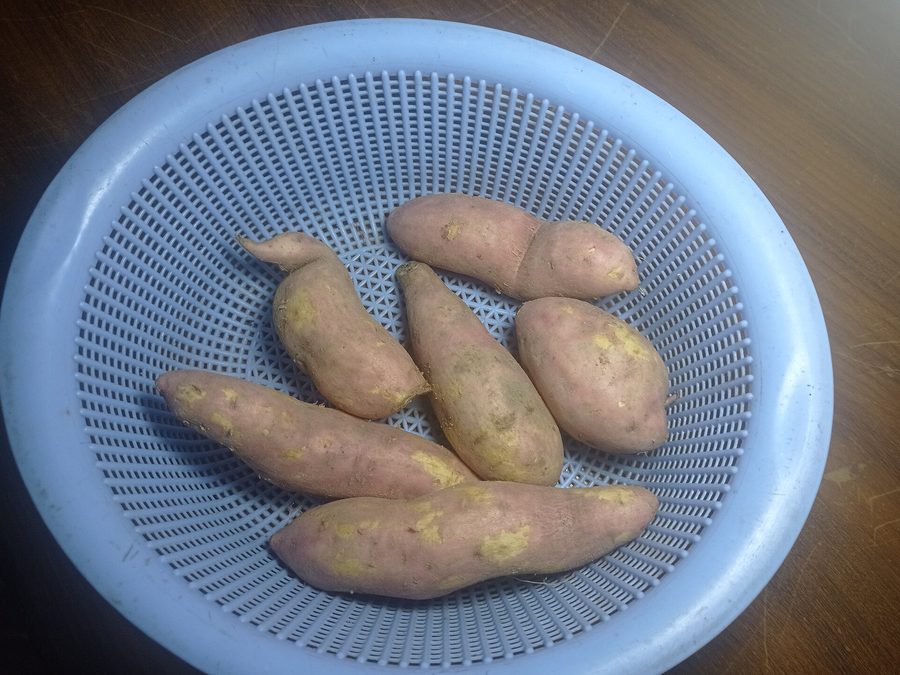
Sweet potato
Roasts to a soft, sweet spear that is easy to hold and hard to get wrong.
Vegetable
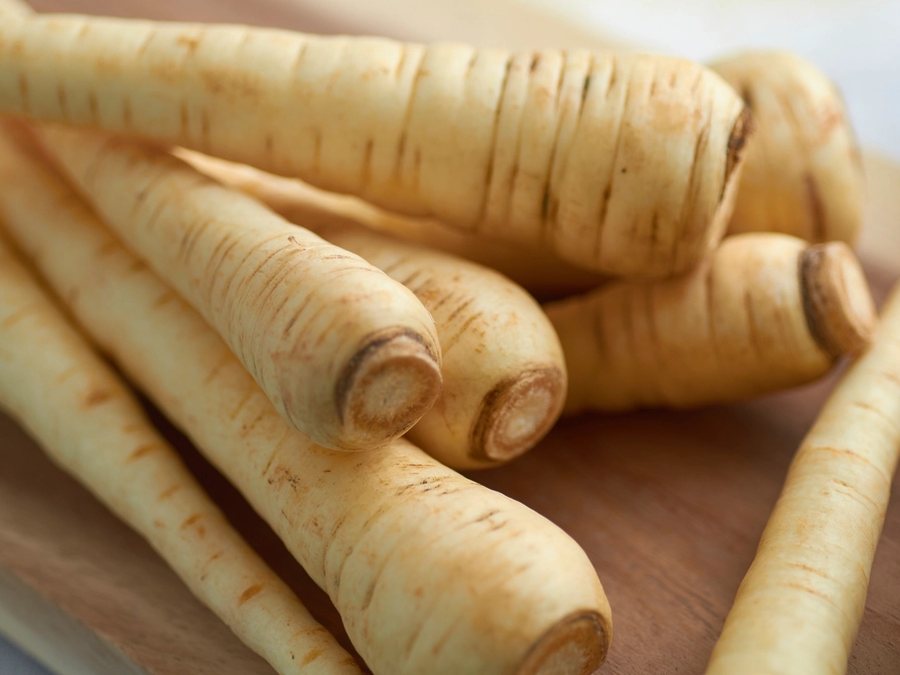
Parsnip
Sweeter than carrot when roasted, and soft enough to serve as a spear.
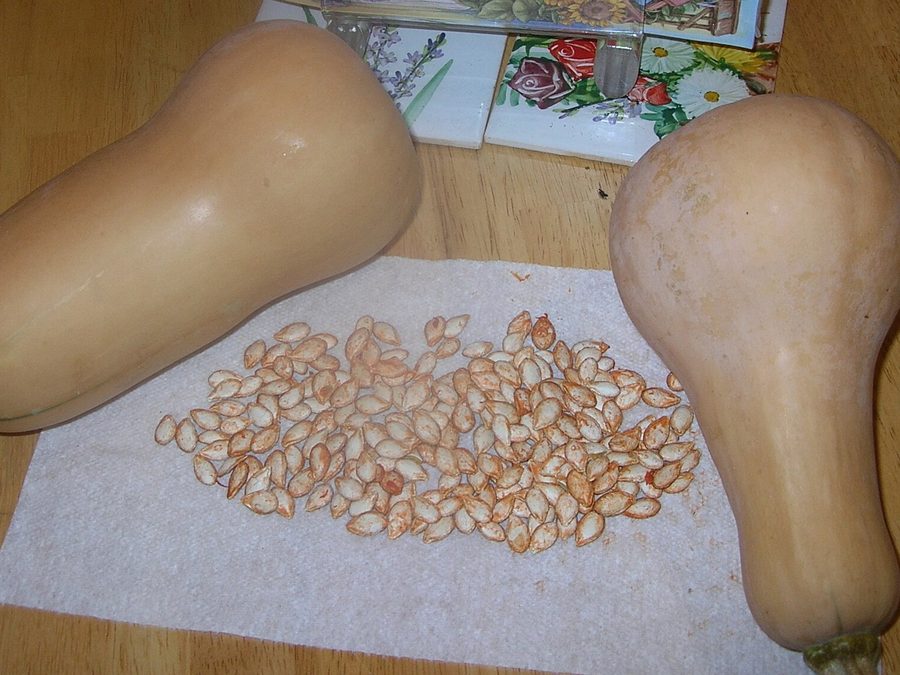
Vegetable
Butternut squash
Sweet, dense and it roasts into a spear that holds its shape better than almost any other vegetable.
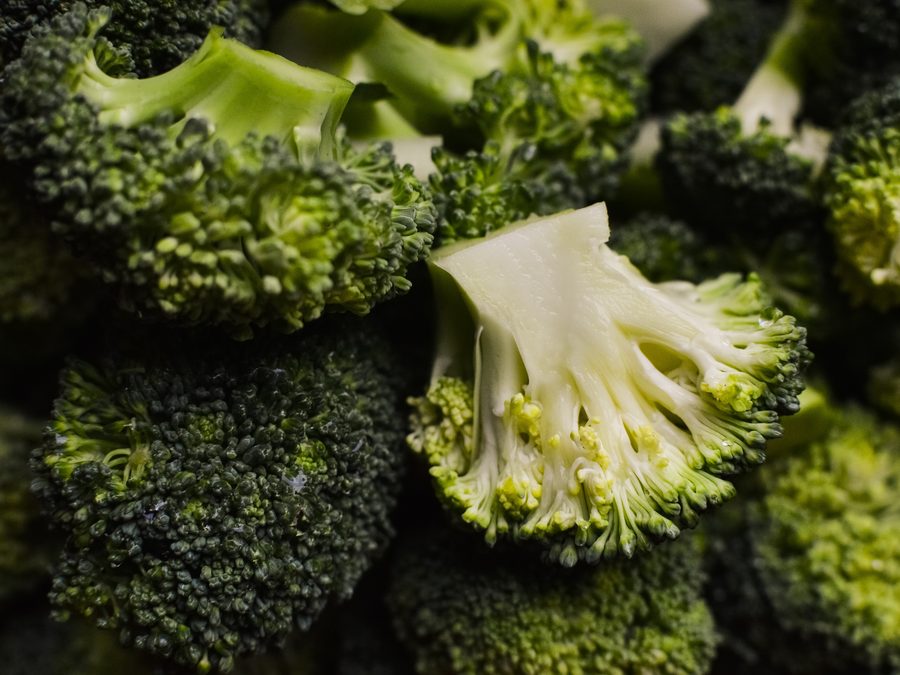
Vegetable
Broccoli
The floret is a built-in handle — one of the easiest green vegetables for a 6-month-old to hold.