 FirstNom
Vegetable
Potato for babies
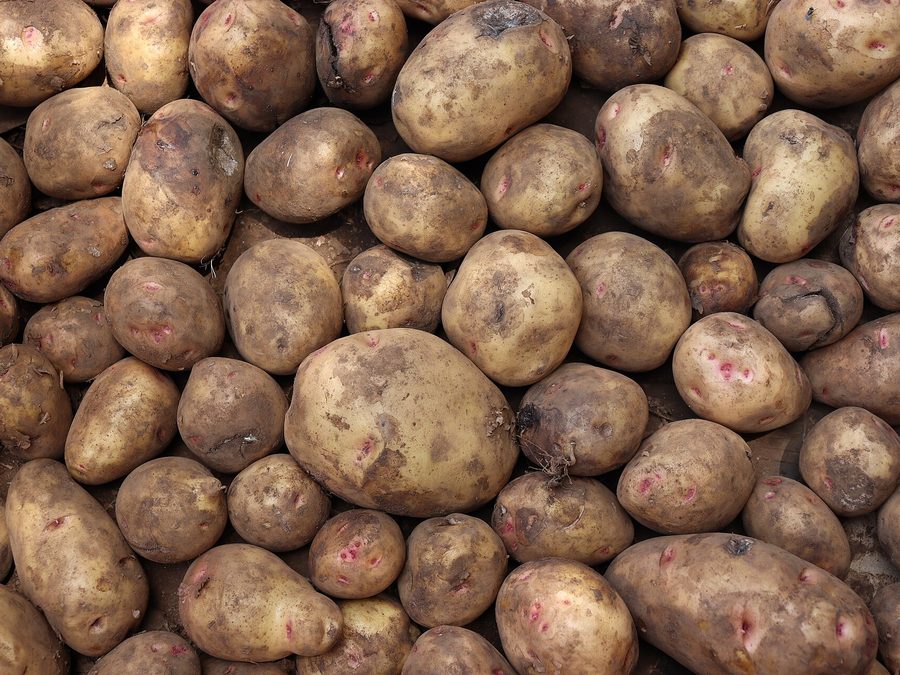
Potato is the vegetable that binds everything else. Mashed potato is what turns loose mince, flaked fish or crumbly beans into something a baby can actually get into their mouth.
When can babies have potato?
From around 6 months, cooked through. Potato is often introduced alongside sweet potato and there is no reason to prefer one — they bring different nutrients and both are useful.
How do you serve potato to a baby?
The shape is what makes a food safe, and it changes as your baby’s grip and chewing change. Find your baby’s age band.
-
6–8 months
Peel, boil or roast until completely soft, and serve as thick mash or as finger-length wedges. Mash with a little breast milk, formula or olive oil rather than butter and salt.
-
9–11 months
Soft cubes, wedges, or mash. Skin on if it is thin and soft.
-
12–18 months
Wedges, roast potatoes, mash, or potato cakes. Chips and crisps are best kept out — they are salt-delivery devices.
-
18–24 months
Family portions. Keep salt low.
Prep tip
Mash with a little of the cooking water plus olive oil. Butter and salt are the adult version; a baby's mash does not need either.
Storage
Store potatoes in a cool, dark place, not the fridge. Cooked mash keeps two days and can be frozen, though the texture suffers slightly.
Is potato a choking hazard for babies?
Cooked potato is soft and low risk. Undercooked potato is dense and hard and should not be served. Skins can be tough — peel until around 9–12 months. Never serve raw potato, and cut away any green parts, which contain solanine.
Whatever you serve, stay within arm’s reach, keep your baby upright in a supportive seat, and never let them eat in a moving car, buggy or carrier. Gagging is loud and normal. Choking is silent.
Is potato a common allergen?
Potato is not one of the nine most common food allergens. Any food can trigger a reaction, though, so offer it on its own the first time and watch for hives, vomiting, swelling or a change in breathing over the next two hours.
Is potato healthy for babies?
Potato is a surprisingly good source of vitamin C and potassium, and it is one of the highest-potassium foods in a typical diet. Its practical value is as a binder: mashed potato mixed with minced meat, flaked fish or mashed beans creates a texture a 6-month-old can manage when neither food would work alone.
| Potassium | Very high |
|---|---|
| Vitamin C | High |
| Vitamin B6 | High |
| Fibre (with skin) | Good source |
| Iron per serving | ~0.4 mg |
Common questions about potato
Can babies have chips or crisps?
Best not. Both are very high in salt, and crisps in particular are a hard, crunchy shape that is easy for a young child to inhale. Home-made oven wedges with no salt are a fine alternative from around 9 months.
Are green potatoes dangerous?
Green patches and sprouts contain solanine, which is toxic in quantity. Cut them away generously, or discard the potato if it is extensively green.
Guides for this food
Reference material
Guidance on this page follows the sources listed below.
Foods parents look at next
Vegetable
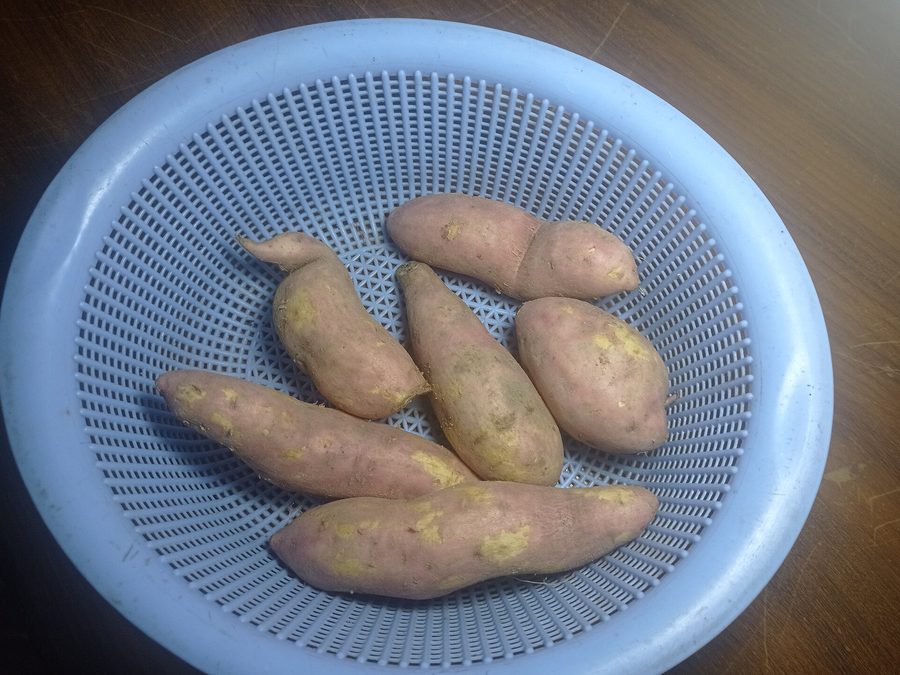
Sweet potato
Roasts to a soft, sweet spear that is easy to hold and hard to get wrong.
Vegetable
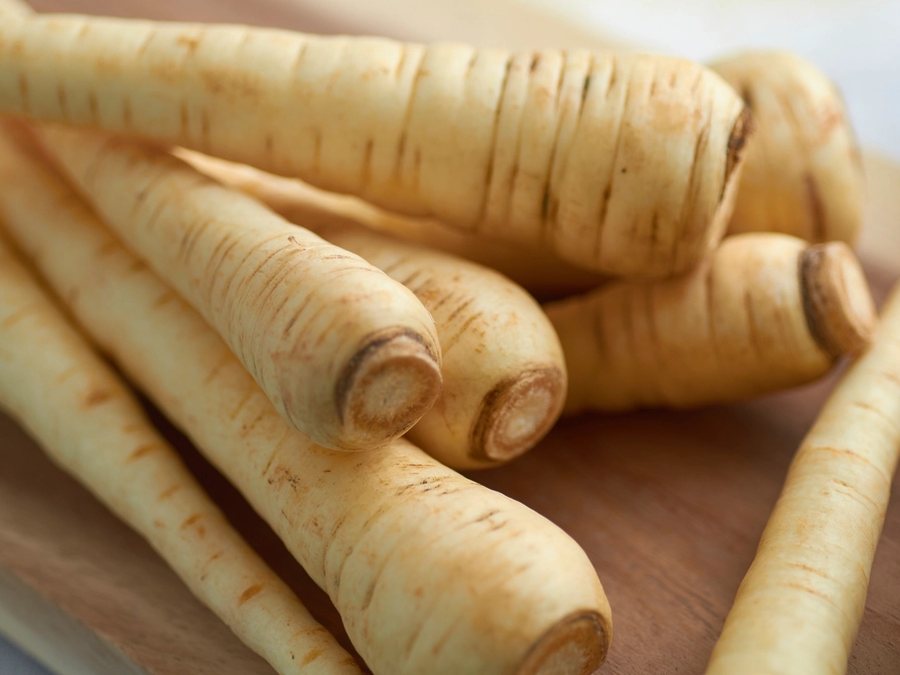
Parsnip
Sweeter than carrot when roasted, and soft enough to serve as a spear.
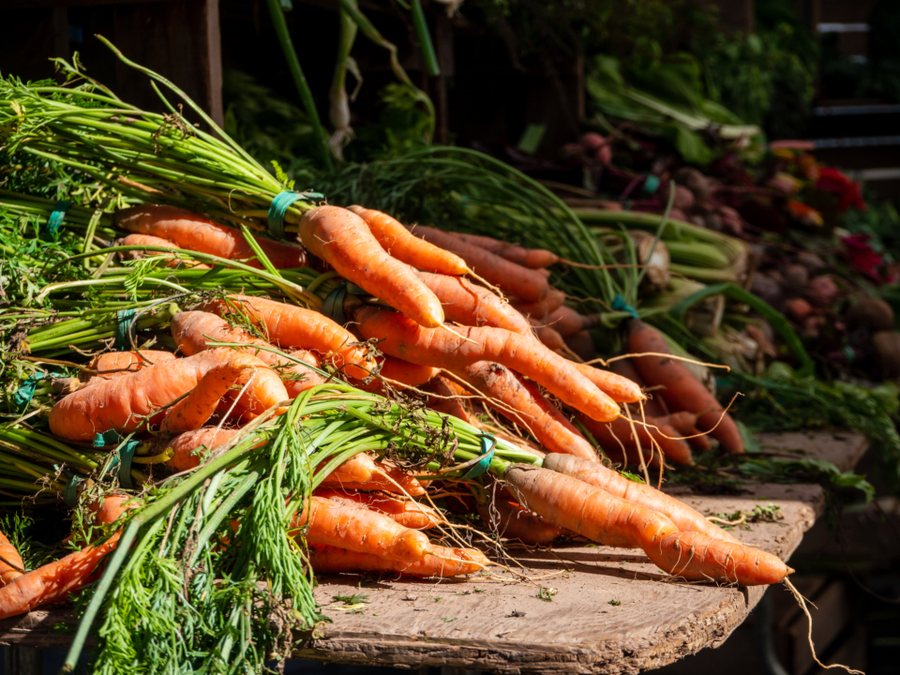
Vegetable
Carrot
Safe when cooked soft, one of the highest-risk foods when raw — the shape matters more here than almost anywhere.
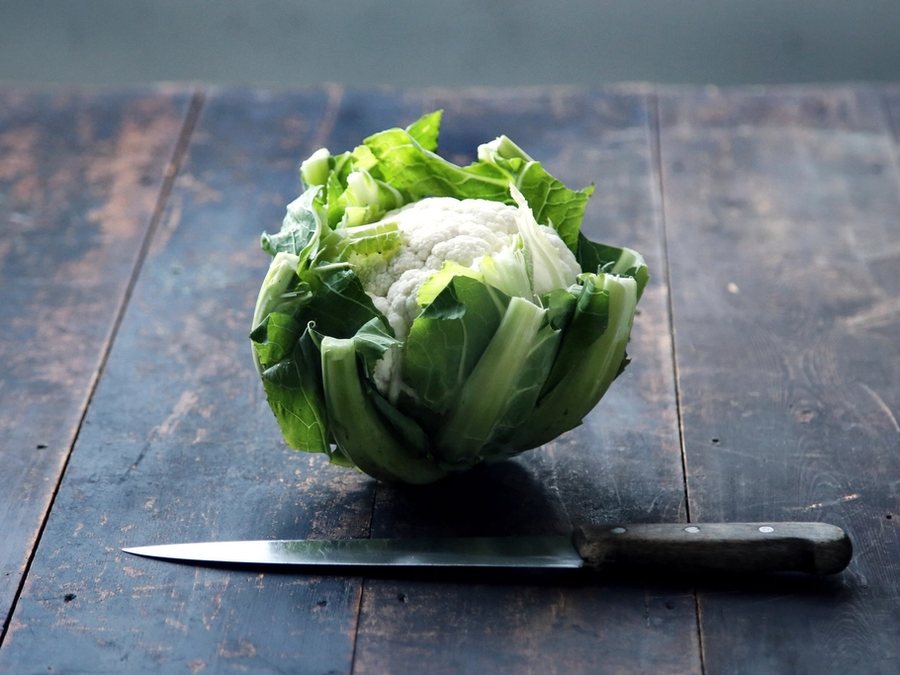
Vegetable
Cauliflower
A steamed floret is a built-in handle — the milder cousin of broccoli.