 FirstNom
Vegetable
Cauliflower for babies
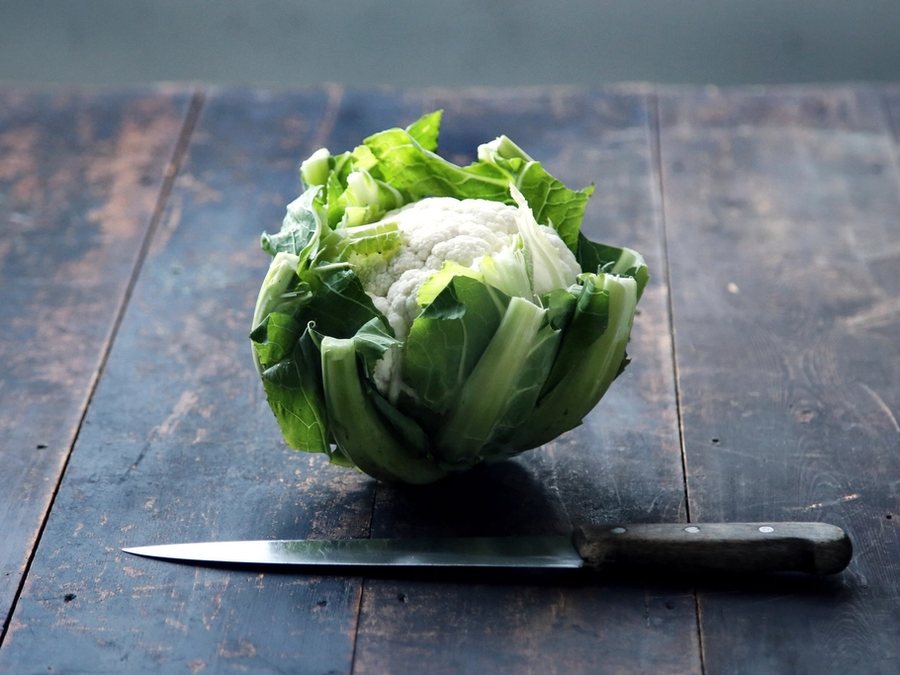
Cauliflower gives you the same self-serve floret shape as broccoli with a milder flavour, which makes it an easier sell for a lot of babies.
When can babies have cauliflower?
From around 6 months, steamed or roasted until soft. Like broccoli, it is worth introducing early while babies are still open to slightly bitter vegetables.
How do you serve cauliflower to a baby?
The shape is what makes a food safe, and it changes as your baby’s grip and chewing change. Find your baby’s age band.
-
6–8 months
Steam whole florets with the stalk left long, 8–10 minutes, until the stalk squashes. Hand over one at a time to hold by the stalk.
-
9–11 months
Small soft florets for the pincer grasp, or cauliflower mash.
-
12–18 months
Roasted florets, cauliflower cheese (low salt), or blended into a pasta sauce.
-
18–24 months
Family portions, cooked. Raw cauliflower still waits.
Prep tip
Roasted cauliflower tastes completely different from steamed — nuttier and sweeter. Worth trying before you conclude your child dislikes it.
Storage
Keeps about a week refrigerated. Cooked cauliflower keeps three days; it freezes acceptably as a purée or mash.
Is cauliflower a choking hazard for babies?
Low risk when steamed until genuinely soft. Raw or crunchy cauliflower breaks into hard fragments of exactly the wrong size and should wait until around 4 years. Test the stalk between your fingers before serving.
Whatever you serve, stay within arm’s reach, keep your baby upright in a supportive seat, and never let them eat in a moving car, buggy or carrier. Gagging is loud and normal. Choking is silent.
Is cauliflower a common allergen?
Cauliflower is not one of the nine most common food allergens. Any food can trigger a reaction, though, so offer it on its own the first time and watch for hives, vomiting, swelling or a change in breathing over the next two hours.
Is cauliflower healthy for babies?
Cauliflower is high in vitamin C, which helps with iron absorption from plant foods in the same meal, and it carries folate and choline. Roasting brings out a nuttiness that wins over toddlers who reject it steamed.
| Vitamin C | Very high |
|---|---|
| Vitamin K | Good source |
| Folate | Good source |
| Fibre | Good source |
| Choline | Good source |
| Iron per serving | ~0.3 mg |
Common questions about cauliflower
Will cauliflower make my baby gassy?
It can, like other brassicas — it contains raffinose, which gut bacteria ferment. It is uncomfortable rather than harmful and usually eases as the gut matures.
Is cauliflower rice suitable for babies?
Yes, from around 9 months, cooked soft. It is a fine vegetable but not a calorie substitute for actual rice — babies need the energy density.
Guides for this food
Reference material
Guidance on this page follows the sources listed below.
Foods parents look at next
Vegetable
Broccoli
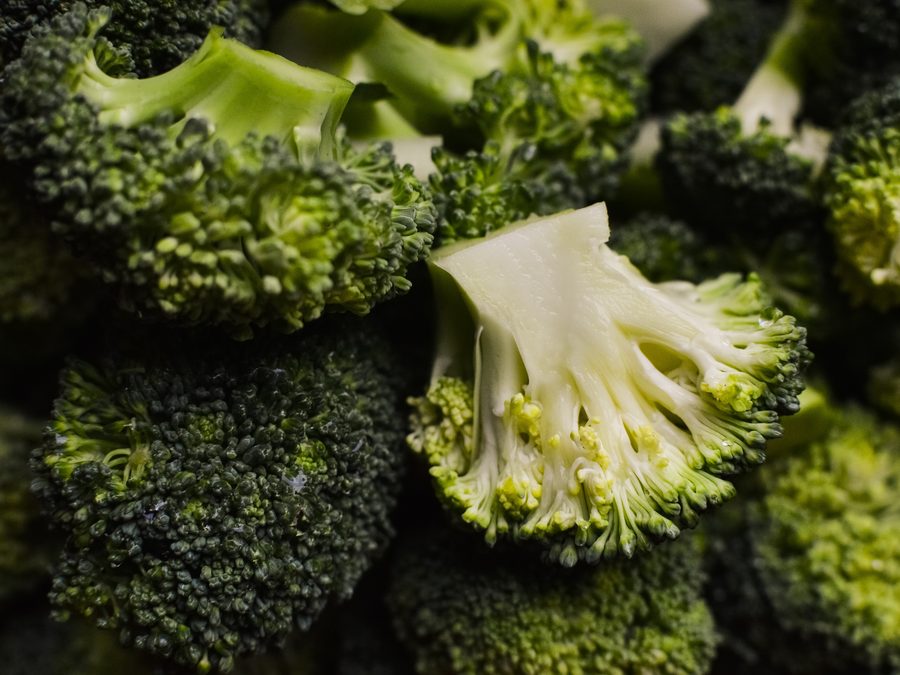
The floret is a built-in handle — one of the easiest green vegetables for a 6-month-old to hold.
Vegetable
Cabbage
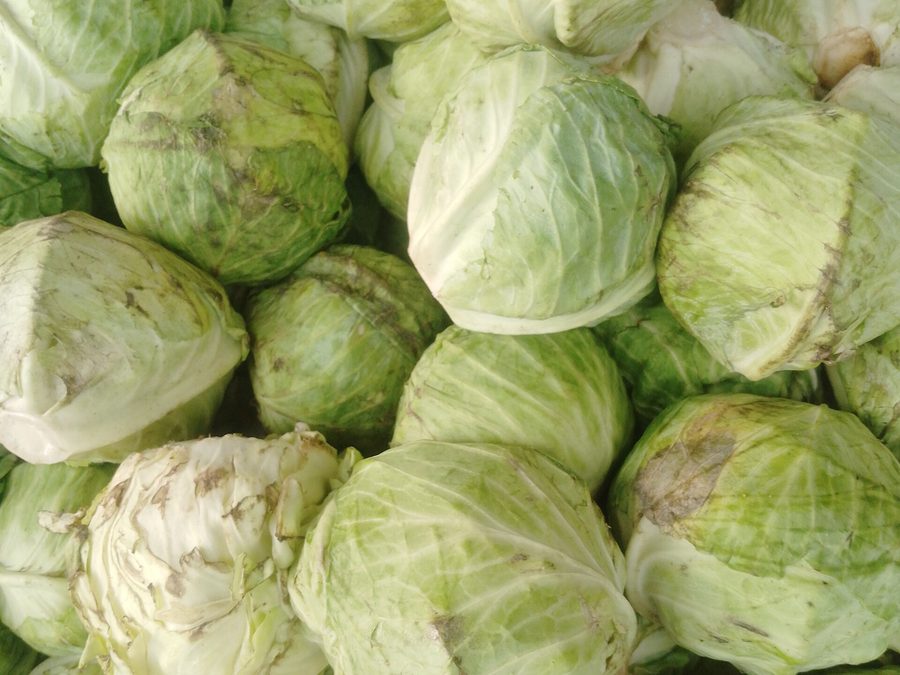
Cheap, keeps forever, and cooks down to a texture a baby can handle.
Vegetable
Brussels sprouts
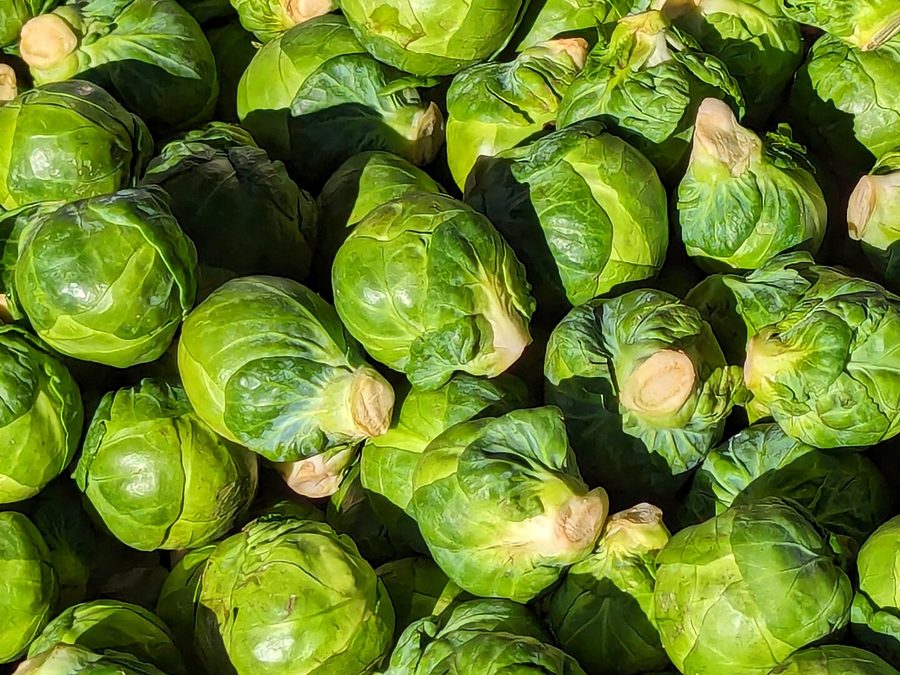
Bitter to adults, often fine to babies — introduce them early while the window is open.
Vegetable
Potato
Mash it, roast it, or hand over a soft wedge — the most forgiving vegetable there is.