 FirstNom
Lunch · Finger food or Dip
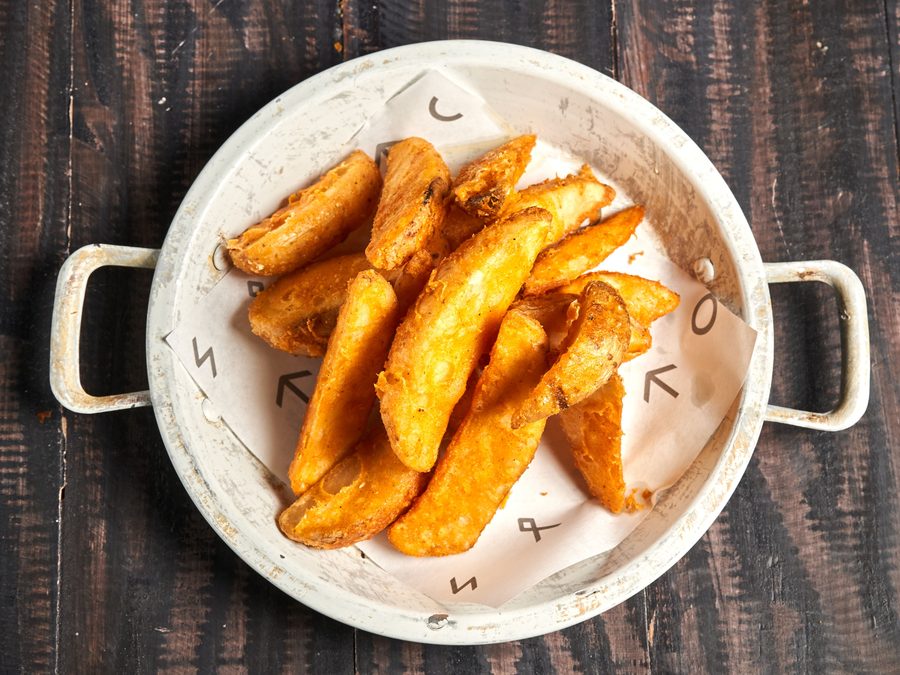
Smoky roasted sweet potato wedges with lime yogurt dip
Roasted sweet potato wedges are one of the most reliable first finger foods: big enough for a 6-month-old to hold in a fist, sweet enough to win them over, and soft enough to gum. A whisper of smoked paprika gives the family tray some depth without any salt, and a thick lime yogurt dip brings the first taste of dairy to the plate. One tray feeds the adults as a side and leaves wedges to freeze.
Ingredients
Makes 10 baby portions of 3 wedges with a spoonful of dip. The tray is a side for 2 adults and the baby, with about 6 baby portions left over..
- 3 medium (about 750 g) sweet potatoes, peeled
- 1 1/2 tbsp olive oil
- 1/2 tsp smoked paprika, the mild (dulce) kind, optional
- 150 g plain whole-milk Greek yogurt, unsweetened, for the dip
- 1/2 lime, zest finely grated and a squeeze of juice, for the dip
- 1/2 small garlic clove, very finely grated, for the dip (optional)
Method
-
Heat the oven to 200 °C / 400 °F (180 °C fan) and line a large tray with baking paper.
-
Halve each sweet potato lengthways, then cut each half into 4 or 5 long wedges, roughly the length of an adult finger and at least two fingers wide at the thick end. Thin, pointed tips crisp up and turn chewy, so cut the wedges evenly.
-
Toss the wedges with the oil and paprika in a bowl, then spread them on the tray in one layer with space between them; crowded wedges steam unevenly.
-
Roast for 30 to 35 minutes, turning once halfway, until the edges are golden and a knife slides into the thickest part with no resistance. Squeeze one between your finger and thumb: it should squash flat with no firm centre. If it springs back, give the tray another 5 to 10 minutes.
-
While they roast, stir the yogurt with the lime zest, a small squeeze of juice and the garlic. Keep it thick so it clings to a wedge rather than running off.
-
Cool the baby's wedges until just warm, break one open to check for hot spots in the middle, and trim off any edges that have gone hard and crisp before serving.
Prep tip
Take the baby's wedges off the tray first, then give the adults' share a pinch of salt, a little chilli or a scatter of chopped coriander at the table.
How to serve it by age
The same recipe changes shape and texture as your baby’s grip and chewing change. Find your baby’s age band.
-
6–8 months
One or two whole wedges at a time, the thick end held in your baby's fist, soft enough to squash flat between your finger and thumb. Smear a little of the dip on top, or set a small blob on the tray for hands to explore.
-
9–11 months
Whole wedges to bite and gnaw, plus a few soft chunks about the size of a chickpea for pincer practice. Offer the dip in a shallow pot so your baby can start dunking.
-
12 months+
Wedges as the family eats them, dunked in the dip, alongside a protein such as fish fingers, beans or chicken. Skin-on wedges are fine now if the skin is soft and thin.
Choking: what to watch
Undercooked sweet potato is the risk: a firm wedge breaks into hard chunks a baby cannot gum down. Roast until each wedge squashes flat with no firm centre. Crisp, dry tips can also snap off in hard pieces, so cut even wedges and trim any over-browned edges. The skin can peel away in a sheet, which is why the wedges are peeled for babies under about 9 months.
Whatever you serve, stay within arm’s reach, keep your baby upright in a supportive seat, and never let them eat in a moving car, buggy or carrier. Gagging is loud and normal. Choking is silent.
Allergens
If this is your baby’s first taste of milk, it is easier to offer it on its own first, in a small amount, early in the day, so you can watch for a reaction over the next two hours. Once it is going well, keep it in their diet regularly. Hives, vomiting or swelling mean call your pediatrician; any trouble breathing means call your emergency number.
Iron
~0.8 mg per portion
Estimate: summed from the iron per serving on our sweet potato, yogurt, garlic and olive oil pages (USDA FoodData Central) and divided across ten baby portions. Sweet potato is not an iron-rich food, so pair the wedges with lentils, beans, egg or meat in the same meal.
Storing and freezing
Cool, then refrigerate within two hours; the wedges keep up to three days in the fridge and the dip two days. Freeze cooked, cooled wedges on a tray, then bag them in baby-sized portions, for up to three months. Reheat once in the oven until piping hot all the way through, then cool. The dip does not freeze well.
How sure is this?
- Guideline. Soft, cooked vegetables cut into pieces a baby can hold are suitable first foods from around six months, per the NHS and the CDC.
- Guideline. Firm, undercooked vegetables are choking hazards for young children, so cooking until soft enough to squash is the key safety step, per the AAP and the CDC.
- Guideline. Milk is a common allergen that can be offered in foods such as yogurt from around six months, per the AAP.
- Common practice, little evidence. Offering wedges at least two fingers wide so a young baby can grip them is standard baby-led weaning practice rather than something tested in trials.
Common questions
Can I use this dip as my baby's first taste of dairy?
Plain yogurt is a common first dairy food, and a little on a wedge is a gentle way to offer it. Hives, vomiting or swelling after eating mean call your pediatrician, and trouble breathing means call your emergency number.
Is smoked paprika safe for babies?
Yes. Herbs and mild spices are fine from the start; only salt, sugar and honey are restricted. Choose sweet or mild smoked paprika rather than the hot kind, or leave it out for the very first tries.
Why are my wedges still firm in the middle?
Thick wedges or a crowded tray take longer. Give them more time and space rather than more heat, and test by squashing: a wedge is ready when it flattens with no firm core.
Reference material
Guidance on this page follows the sources listed below.
Foods in this recipe
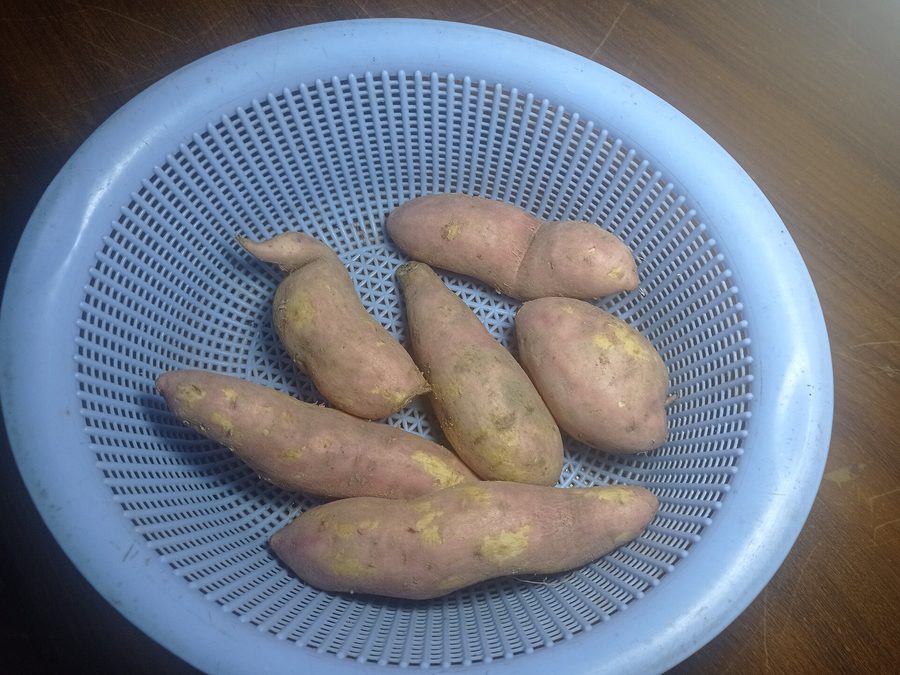
Vegetable
Sweet potato
Roasts to a soft, sweet spear that is easy to hold and hard to get wrong.
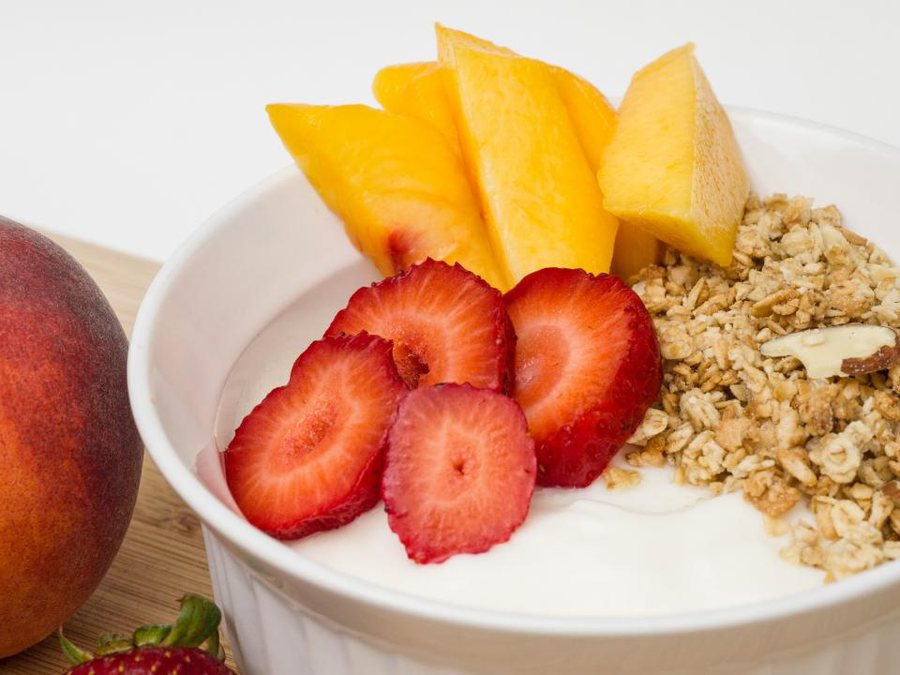
Dairy & eggs
Yogurt
Plain whole-milk yogurt is fine from 6 months — long before cow's milk as a drink.
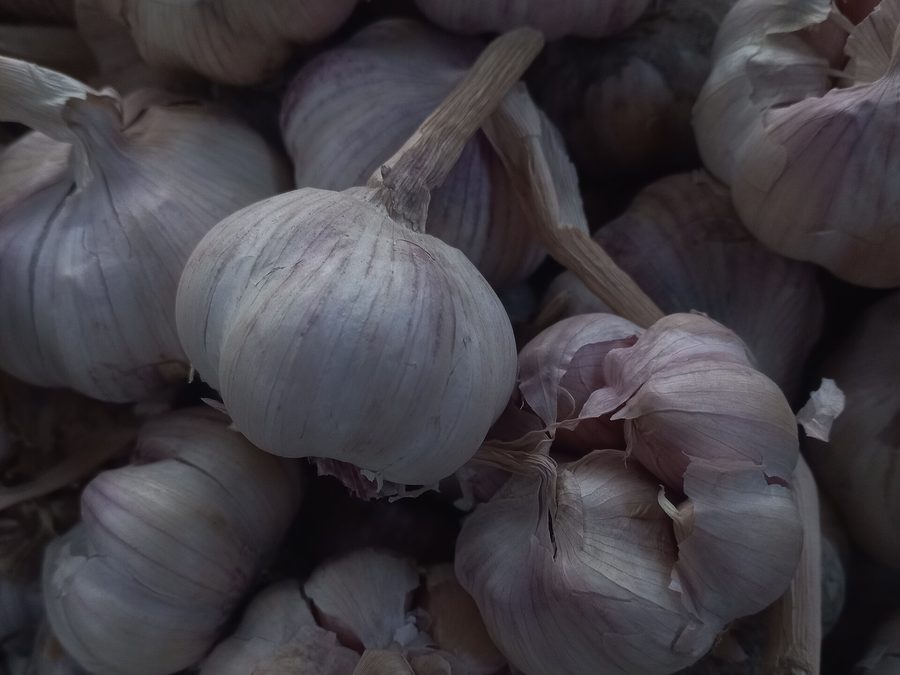
Herbs & spices
Garlic
Cooked garlic is sweet, not sharp — and it is safe from 6 months.