 FirstNom
Breakfast · Finger food
Three-ingredient oat and banana pancakes
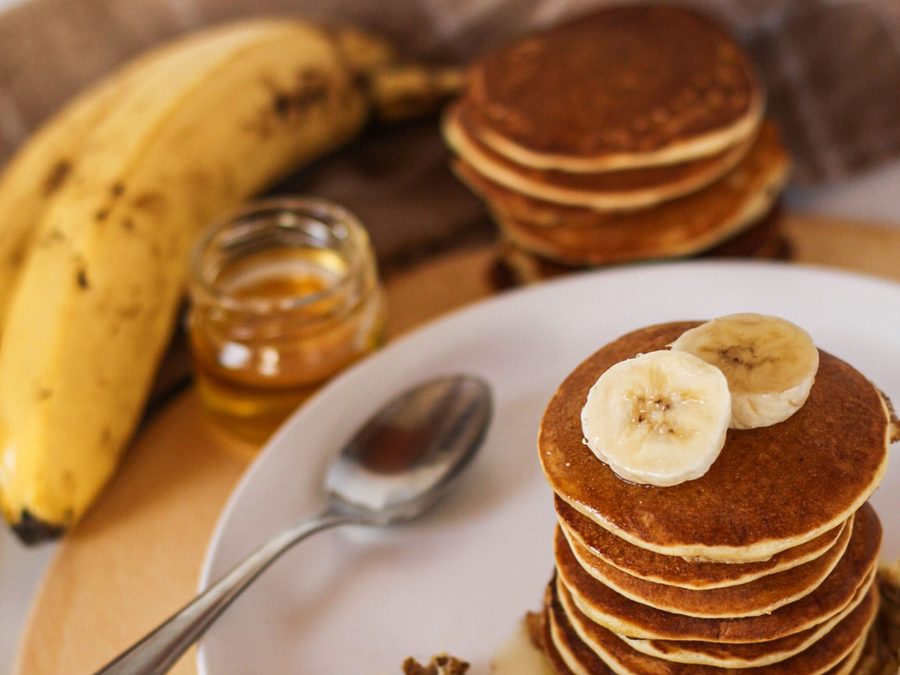
These pancakes are built on three things most kitchens already have: a ripe banana, a cup of oats and a couple of eggs. The banana does all the sweetening, the oats bring fibre and some iron, and the egg makes them a gentle, regular way to keep egg in your baby's diet. They cook in minutes, freeze well and suit the whole family's breakfast.
Ingredients
Makes 8 baby portions of 2 small pancakes, cut into strips. The batch of about 16 is breakfast for 2 adults and the baby, with about 4 baby portions to freeze..
- 2 large very ripe bananas, peeled
- 100 g (about 1 cup) rolled oats
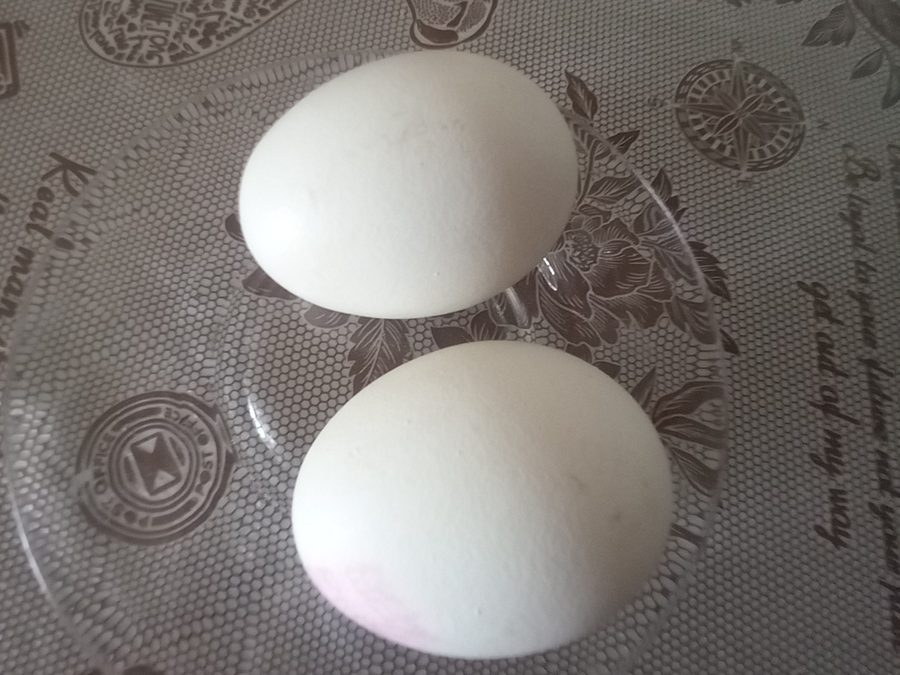
- 2 eggs
- 60 ml (4 tbsp) water or your baby's usual milk
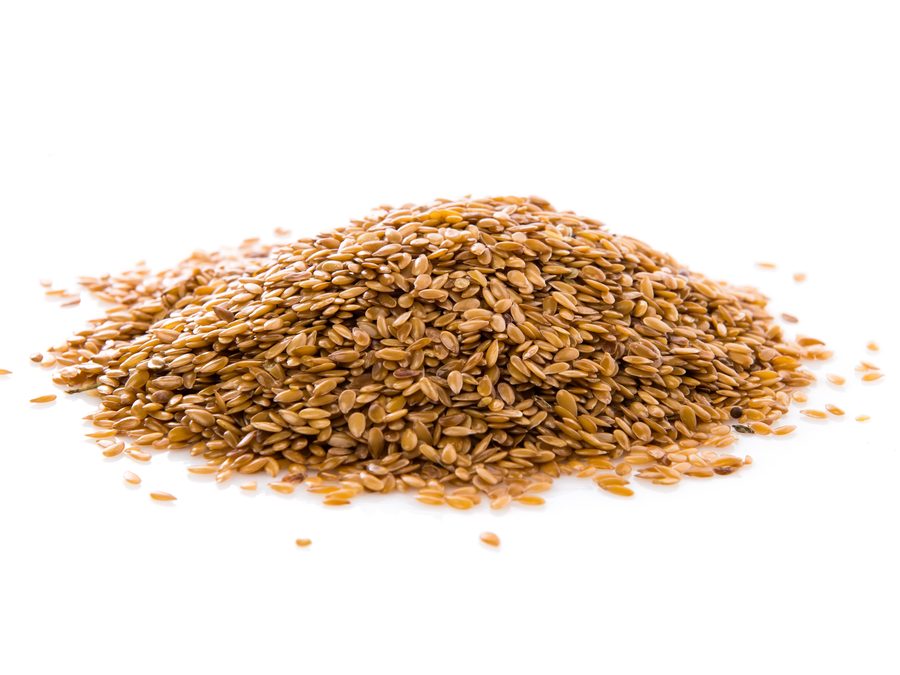
- 1 tbsp ground flaxseed
- 1/2 tsp ground cinnamon
- 2 tsp olive oil, for the pan
Method
-
Put the bananas, oats, eggs, water, flaxseed and cinnamon in a blender and blend for about a minute, until completely smooth with no flecks of whole oat. Leave the batter to stand for 5 minutes so the oats and flax thicken it.
-
Heat a large non-stick frying pan over medium heat and brush it with a little of the oil. Drop in level tablespoons of batter, spaced well apart, and spread each into a round about the size of your palm.
-
Cook for 2 to 3 minutes, until the edges look set and small bubbles appear on top, then flip and cook for another 2 minutes. Banana batter browns quickly, so turn the heat down if they darken before the middle sets.
-
Check one: press the centre, and it should spring back with no wet batter when you tear it open. Cook the rest in batches, oiling the pan lightly between rounds.
-
Cool the baby's pancakes on a rack for a few minutes, then cut them into strips. Break one open to check for hot spots before serving.
Prep tip
Use the ripest, most freckled bananas you have: they blend smoother, brown more evenly and make the pancakes taste sweeter with nothing added.
How to serve it by age
The same recipe changes shape and texture as your baby’s grip and chewing change. Find your baby’s age band.
-
6–8 months
Strips about the length and width of an adult finger, cut from a whole pancake, soft and springy enough to squash between your finger and thumb. A thin smear of plain yogurt or mashed ripe fruit on top adds moisture and helps them hold.
-
9–11 months
Small soft squares about the size of your fingertip for pincer practice, or whole strips to bite. Serve with squashed raspberries or quartered strawberries on the side.
-
12 months+
Whole small pancakes, stacked or rolled, with plain yogurt and soft fruit, as the family eats them. Your toddler can tear them themselves.
Choking: what to watch
These pancakes are soft and low risk once cooked through. The oats are blended completely smooth so there are no dry flakes, and the flaxseed is ground, never whole. Cutting into finger-length strips for younger babies avoids a large, doughy piece that can be packed into the mouth all at once. Check the middles are set, as raw batter is gluey.
Whatever you serve, stay within arm’s reach, keep your baby upright in a supportive seat, and never let them eat in a moving car, buggy or carrier. Gagging is loud and normal. Choking is silent.
Allergens
If this is your baby’s first taste of egg, it is easier to offer it on its own first, in a small amount, early in the day, so you can watch for a reaction over the next two hours. Once it is going well, keep it in their diet regularly. Hives, vomiting or swelling mean call your pediatrician; any trouble breathing means call your emergency number.
Iron
~0.9 mg per portion
Estimate: summed from the iron per serving on our banana, egg, flaxseed and cinnamon pages (USDA FoodData Central), with plain rolled oats counted at plain-oat iron (about 4.5 mg per 100 g) rather than the fortified figure on our oatmeal page, divided across eight baby portions.
Storing and freezing
Cool, then refrigerate within two hours; they keep two days in the fridge. Freeze on a tray, then bag in pairs with baking paper between, for up to three months. Reheat once from frozen in a toaster or pan until piping hot all the way through, then cool.
How sure is this?
- Guideline. Egg is a common allergen that can be introduced from around six months and then kept in the diet regularly, per the AAP.
- Guideline. Babies should not have added sugar or honey, and ripe fruit is the way to sweeten their food, per the NHS.
- Guideline. Soft foods cut into pieces a baby can hold are suitable from around six months, while firm, dry pieces are a choking hazard, per the CDC.
- Common practice, little evidence. Cutting pancakes into finger-length strips for young babies is a standard baby-led weaning approach rather than a tested intervention.
Common questions
Can these be my baby's first taste of egg?
It is easier to offer egg on its own the first time, such as a fully cooked omelette strip, so any reaction is simple to spot. Once egg has gone well, these are a good way to keep it in the diet. Hives, vomiting or swelling mean call your pediatrician, and trouble breathing means call your emergency number.
Can I make them without egg?
Yes. Swap each egg for 1 tablespoon of ground flaxseed mixed with 3 tablespoons of water and left for 10 minutes. The pancakes will be a little more fragile, so make them slightly smaller and flip carefully.
Are oats gluten free?
Oats do not contain wheat, but many are processed alongside it. If your family avoids gluten, buy oats labelled gluten free.
Reference material
Guidance on this page follows the sources listed below.
Foods in this recipe
Fruit
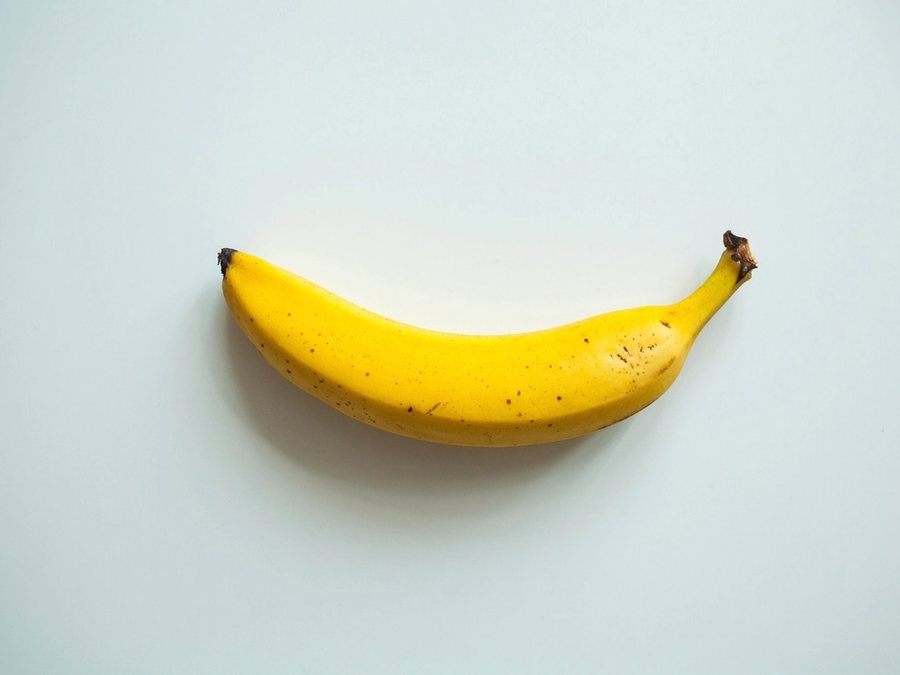
Banana
No cooking, no equipment, comes in its own wrapper — and slippery enough to need a trick.
Grains
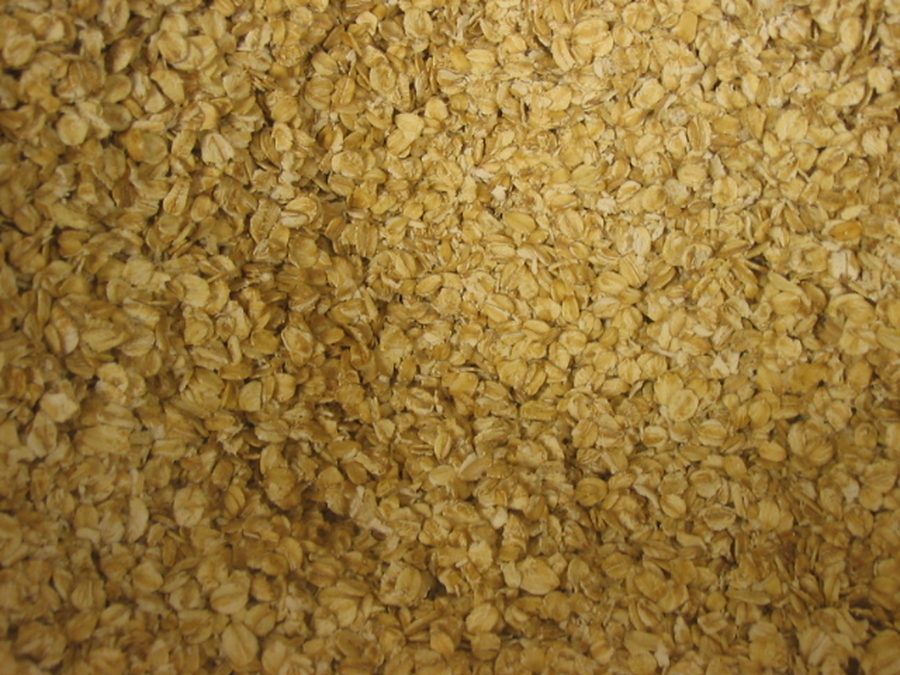
Oatmeal
An iron-fortified porridge is one of the simplest ways to hit a 6-month-old's iron target.
Dairy & eggs
Egg
A top-nine allergen worth introducing early — and one of the cheapest complete proteins there is.
Nuts & seeds
Flaxseed
Only useful ground — whole flaxseed passes straight through.