 FirstNom
Snack · Finger food
Banana oat blueberry muffins
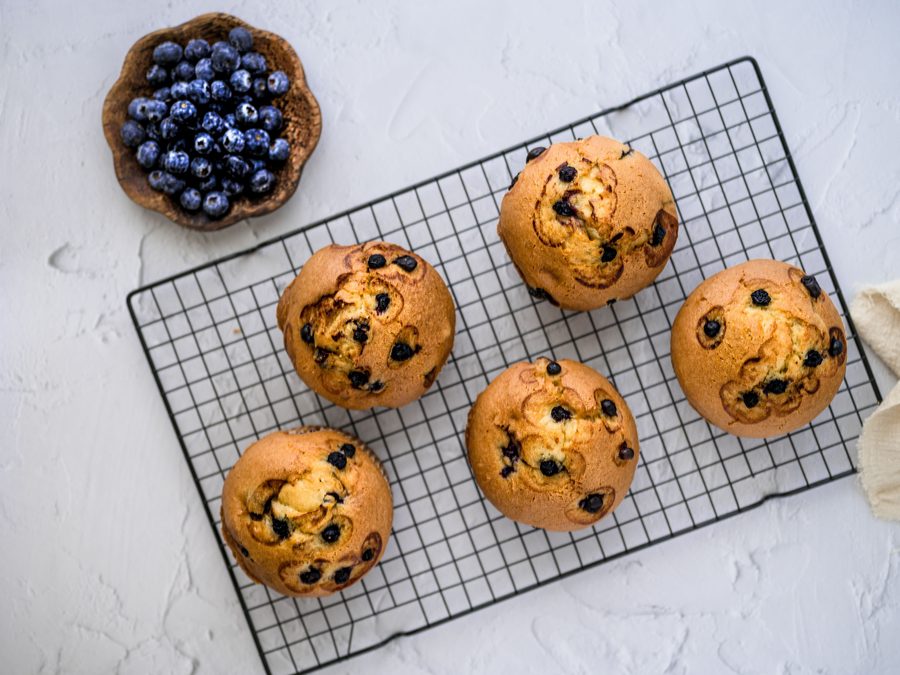
These mini muffins are sweetened entirely by very ripe banana, so they suit a baby and still please older children and adults. Oats bring some iron and fibre, and the egg and yogurt make them a gentle, regular way to keep two common allergens in the diet. They bake soft and moist, freeze well, and are easy to grab for a snack or a lunch out.
Ingredients
Makes 12 baby portions of 2 mini muffins. The batch of 24 makes snacks for the family for a couple of days, with plenty to freeze..
- 160 g rolled oats, blitzed to a fine flour
- 2 large, very ripe (about 220 g peeled) bananas, mashed until smooth
- 150 g plain whole-milk yogurt
- 2 eggs
- 2 tbsp olive oil or light vegetable oil, plus a little for the tin
- 1 1/2 tsp baking powder
- 1 tsp ground cinnamon
- 1/2 orange, finely zested (optional)
- 120 g blueberries, halved, or quartered if large
Method
-
Heat the oven to 180 °C / 350 °F (160 °C fan) and brush a 24-hole mini muffin tin with a little oil, or line it with mini paper cases.
-
Blitz the oats in a blender until they look like fine flour, then mix in the baking powder and cinnamon.
-
In a large bowl, whisk the mashed banana, yogurt, eggs, oil and orange zest until smooth. Fold in the oat mixture until no dry streaks remain; do not overmix. Gently fold in the halved blueberries.
-
Spoon the batter into the tin, filling each hole almost to the top.
-
Bake for 15 to 18 minutes, until risen and lightly golden, and a skewer pushed into the middle of a muffin comes out clean with no wet batter.
-
Cool in the tin for 5 minutes, then on a rack. Break one open: the blueberries should have burst and gone soft, and the crumb should be moist and squash easily between your finger and thumb.
Prep tip
Use bananas with plenty of brown speckles on the skin. The riper they are, the sweeter and softer the muffins, with nothing added.
How to serve it by age
The same recipe changes shape and texture as your baby’s grip and chewing change. Find your baby’s age band.
-
6–8 months
One whole mini muffin to hold in a fist, or a regular muffin cut into finger-width wedges. The crumb should be soft and moist enough to squash between your finger and thumb, with the berries baked soft.
-
9–11 months
Mini muffins broken into small pieces about 1 cm across for pincer practice, or whole for your baby to bite. Offer a drink of water alongside, as baked crumbs can be a little dry.
-
12 months+
Whole mini or regular muffins as a snack, at breakfast with yogurt and fruit, or packed for lunch out. Kept chilled, they travel well.
Choking: what to watch
Whole blueberries are round, firm and airway-sized, so they are halved, or quartered if large, before baking, and baking softens them further. A dry, crumbly bake can make a baby gag, so banana and yogurt keep these moist, and the oats are blitzed to flour rather than left as firm flakes. Offer one at a time to stop your baby stuffing in a whole muffin.
Whatever you serve, stay within arm’s reach, keep your baby upright in a supportive seat, and never let them eat in a moving car, buggy or carrier. Gagging is loud and normal. Choking is silent.
Allergens
If this is your baby’s first taste of egg or milk, it is easier to offer it on its own first, in a small amount, early in the day, so you can watch for a reaction over the next two hours. Once it is going well, keep it in their diet regularly. Hives, vomiting or swelling mean call your pediatrician; any trouble breathing means call your emergency number.
Iron
~0.9 mg per portion
Estimate: summed from the iron per serving on our egg, banana, yogurt, blueberry and cinnamon pages (USDA FoodData Central), with plain rolled oats counted at plain-oat iron (about 4.5 mg per 100 g) rather than the fortified figure on our oatmeal page, divided across twelve portions.
Storing and freezing
Cool completely, then keep in a sealed box in the fridge for up to two days. Freeze cooled muffins in a bag for up to three months, and take out a portion at a time; they thaw at room temperature in about an hour or overnight in the fridge. Warm through gently if you like, then cool before serving.
How sure is this?
- Guideline. Egg and milk can be introduced from around six months and kept in the diet regularly afterwards, per the AAP.
- Guideline. Blueberries are round and should be squashed, halved or quartered for young children because whole berries can block the airway, per the CDC and the AAP.
- Guideline. Babies under 12 months should not have added sugar or honey, including in baking, per the NHS.
Common questions
Can I use frozen blueberries?
Yes. Halve them while still frozen, fold them in straight from the freezer and add a minute or two to the baking time. They may streak the batter purple, which is harmless.
Are these gluten-free?
Oats contain no wheat, but they are often processed alongside it. If your family needs to avoid gluten, use oats labelled gluten-free and a gluten-free baking powder.
Can these be my baby's first taste of egg or milk?
It is easier to introduce egg and milk on their own first, so any reaction is simple to spot. Once both have gone well, these are a good way to keep them in the diet. Hives, vomiting or swelling mean call your pediatrician, and trouble breathing means call your emergency number.
Reference material
Guidance on this page follows the sources listed below.
Foods in this recipe
Grains
Oatmeal
An iron-fortified porridge is one of the simplest ways to hit a 6-month-old's iron target.
Fruit
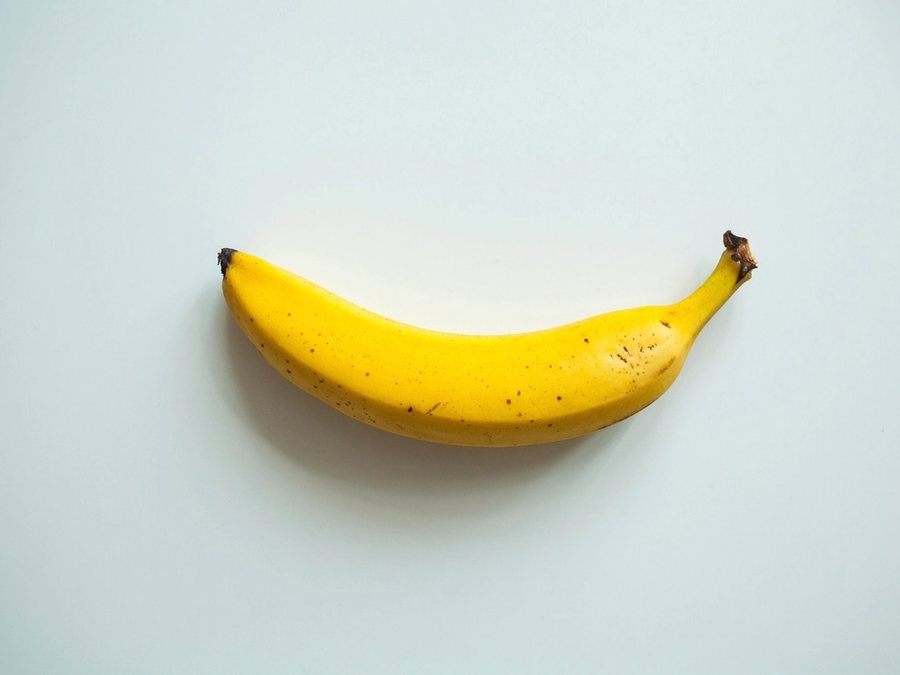
Banana
No cooking, no equipment, comes in its own wrapper — and slippery enough to need a trick.
Dairy & eggs
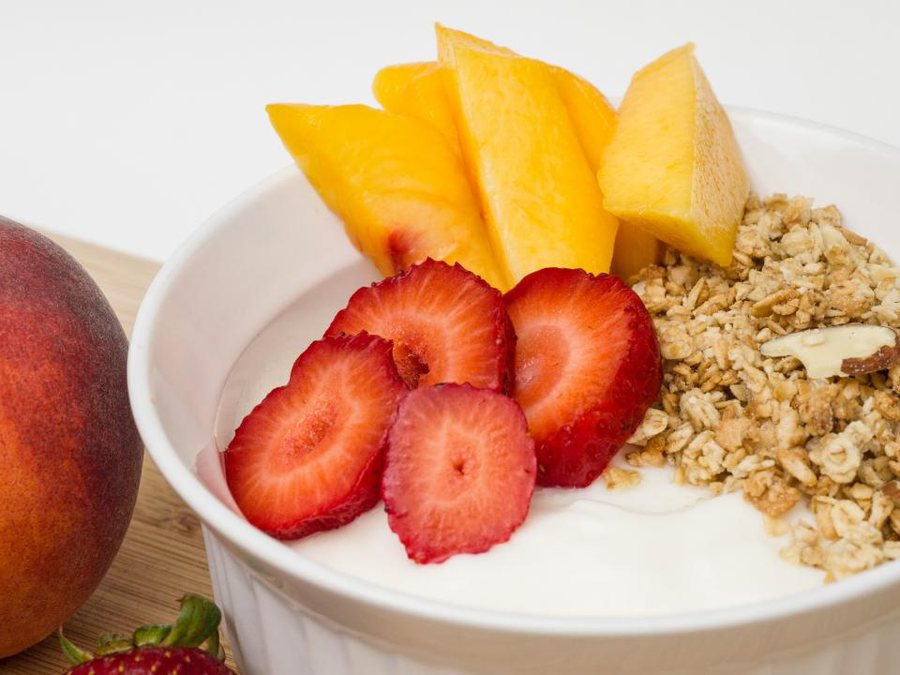
Yogurt
Plain whole-milk yogurt is fine from 6 months — long before cow's milk as a drink.
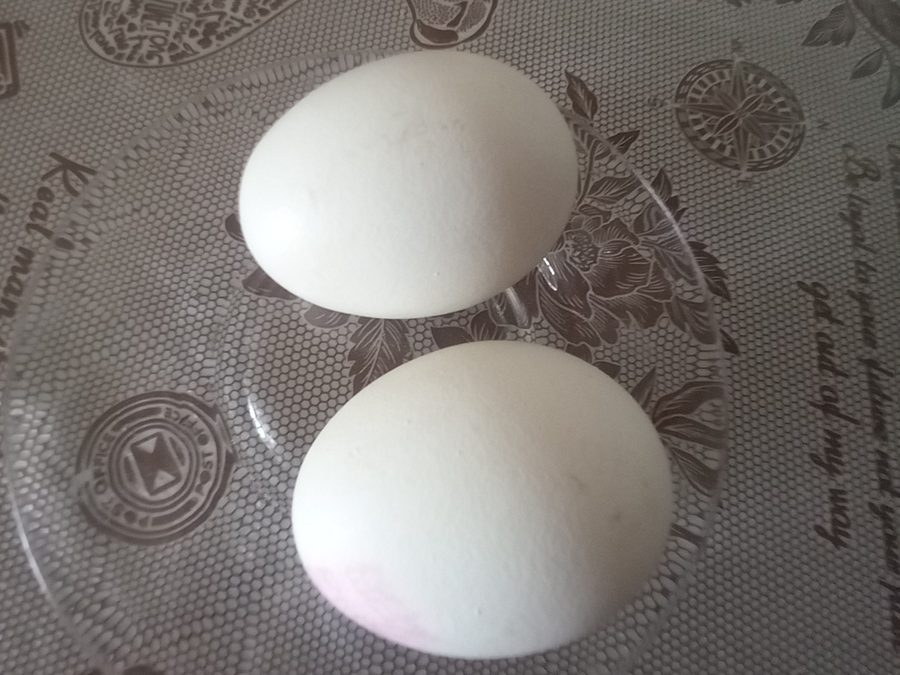
Dairy & eggs
Egg
A top-nine allergen worth introducing early — and one of the cheapest complete proteins there is.