 FirstNom
Fruit
Blueberries for babies
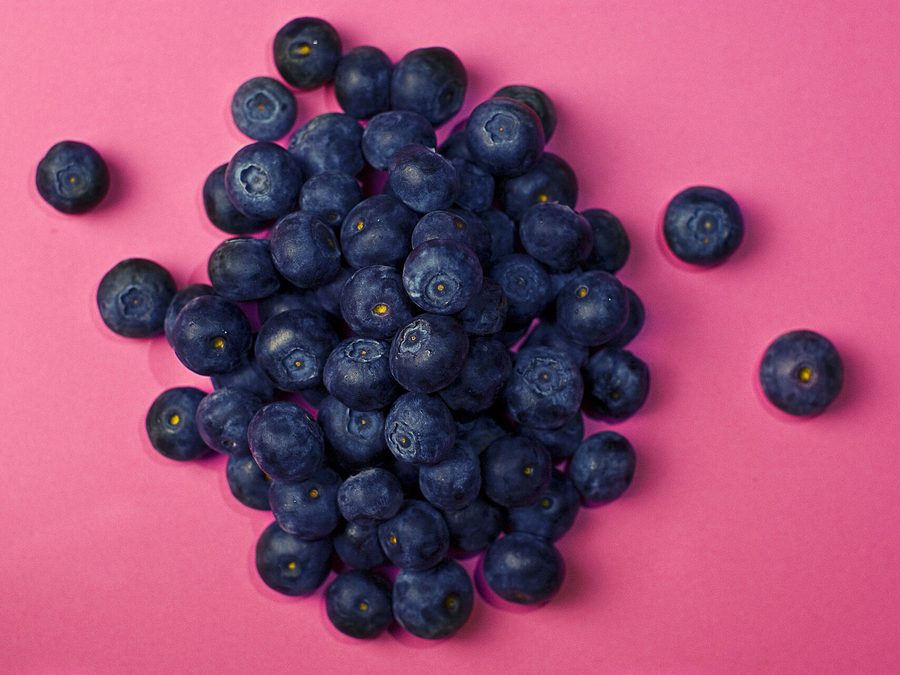
Blueberries are a great baby food with one non-negotiable rule: squash or halve every single one until your child is around 4. Round, firm and airway-sized is the worst combination there is.
When can babies have blueberries?
From around 6 months, squashed or halved. Berries were once on 'delay' lists over allergy fears; that advice has been withdrawn and there is no reason to hold them back.
How do you serve blueberries to a baby?
The shape is what makes a food safe, and it changes as your baby’s grip and chewing change. Find your baby’s age band.
-
6–8 months
Squash each berry flat between your fingers, or mash a handful and stir into yogurt or porridge. Whole berries are not appropriate at any point this year.
-
9–11 months
Squashed or quartered berries scattered on the tray for pincer practice.
-
12–18 months
Halved or squashed. Still not whole.
-
24 months+
Whole blueberries from around 4 years, when chewing and airway size have both moved on. Until then, halve them.
Prep tip
Press a whole punnet flat under the base of a glass in one go rather than squashing berry by berry. Ten seconds, whole batch done.
Storage
Refrigerate and wash just before serving — washed berries spoil faster. Frozen blueberries work well mashed into porridge; thaw before serving.
Is blueberries a choking hazard for babies?
Whole blueberries sit in the same hazard class as whole grapes: round, smooth, firm-skinned and almost exactly the diameter of a young child's airway, which means one can seal it completely. Squash each berry flat between your fingers, or halve or quarter them, for every child under about 4 years. Frozen blueberries served frozen are harder still and must be thawed and squashed.
Whatever you serve, stay within arm’s reach, keep your baby upright in a supportive seat, and never let them eat in a moving car, buggy or carrier. Gagging is loud and normal. Choking is silent.
Is blueberries a common allergen?
Blueberries is not one of the nine most common food allergens. Any food can trigger a reaction, though, so offer it on its own the first time and watch for hives, vomiting, swelling or a change in breathing over the next two hours.
Is blueberries healthy for babies?
Blueberries are dense in anthocyanins, the pigments that make them blue, along with vitamin C and vitamin K. Nutritionally they are a solid rather than spectacular fruit — their real appeal for a baby is that they are self-contained, need no peeling, and are excellent pincer-grasp practice once squashed.
| Vitamin C | Good source |
|---|---|
| Vitamin K | Good source |
| Anthocyanins | Very high |
| Fibre | Good source |
| Iron per serving | ~0.2 mg |
Common questions about blueberries
When can my child have whole blueberries?
Around 4 years. Until then, squash or halve them. The shape is the problem, not the food — a round object of that diameter can seal a small airway completely.
Can babies have frozen blueberries for teething?
Not whole. Frozen berries are harder than fresh and the choking profile is worse. Thaw and squash, or freeze mashed berry into a yogurt lolly instead.
My baby's nappy has turned blue-black.
Normal. Blueberry skins and pigment pass through largely undigested, and dark or greenish stool after a berry-heavy day is expected. It is not blood, though if you are ever unsure, a photo for your health visitor settles it quickly.
Recipes with this food
Guides for this food
Reference material
Guidance on this page follows the sources listed below.
Foods parents look at next
Fruit
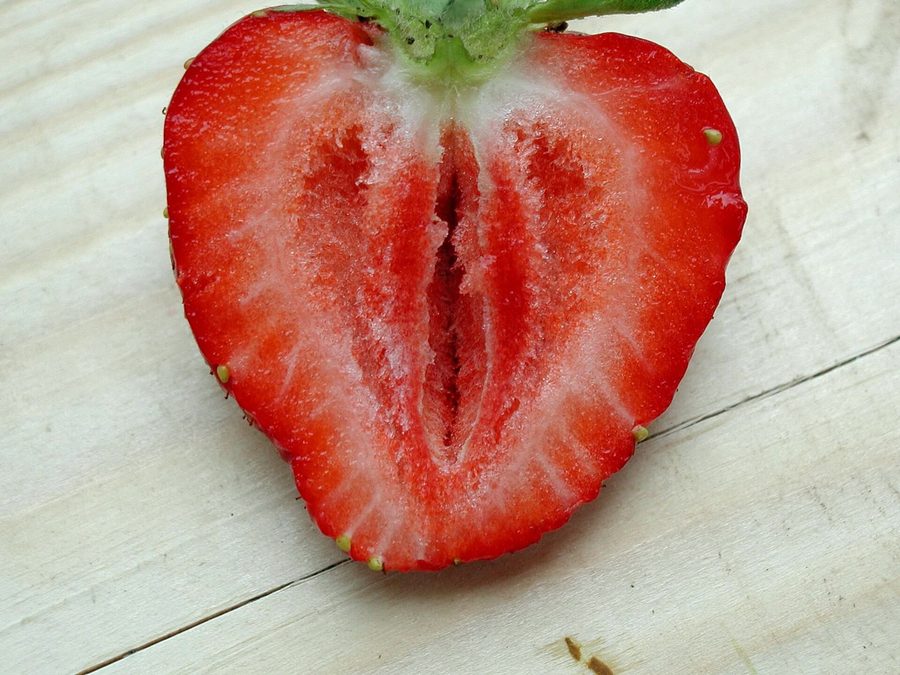
Strawberry
More vitamin C than an orange, and a shape that needs quartering until about four.
Fruit
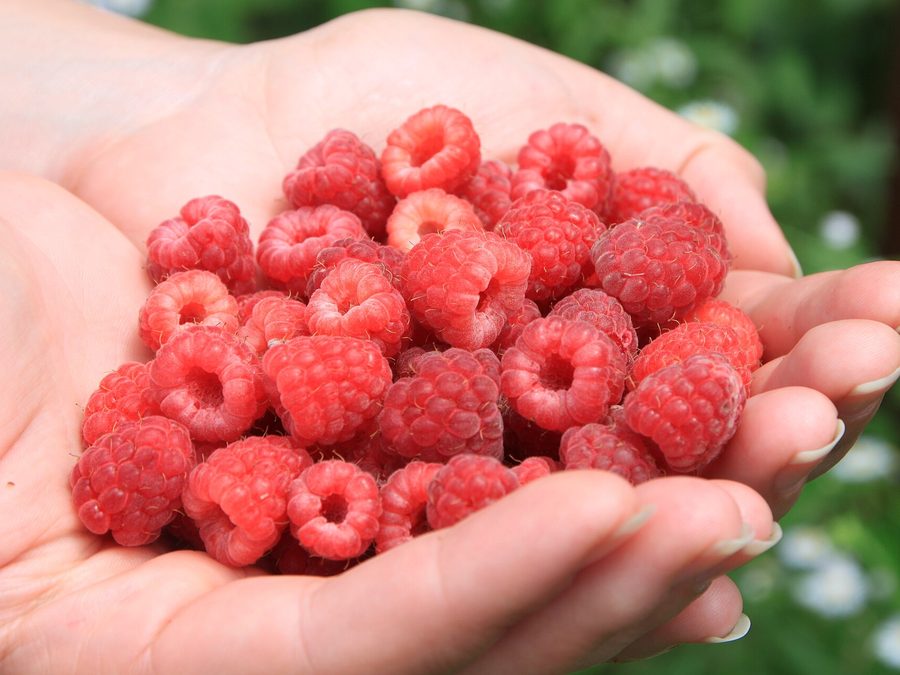
Raspberry
Soft enough to serve whole from the start — one of the few berries that is.
Fruit
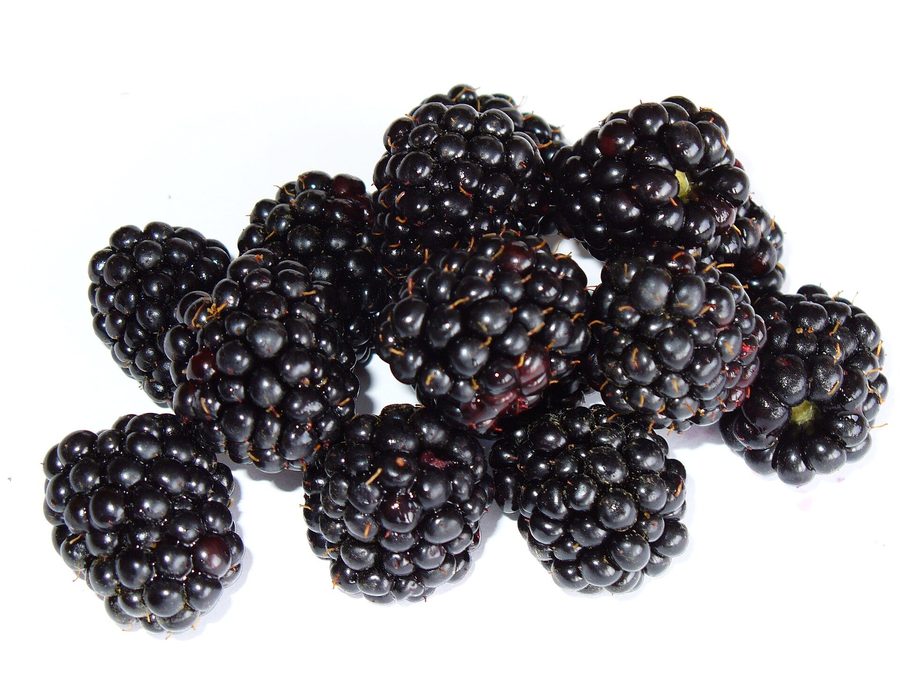
Blackberry
Soft, high in fibre and it stains everything it touches.
Fruit
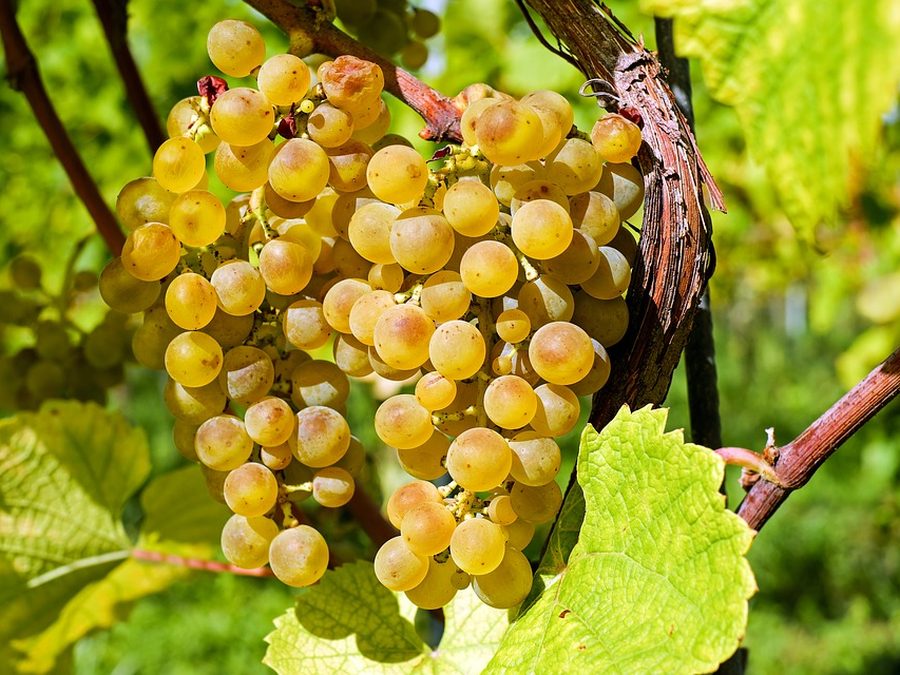
Grape
The single most-cited choking hazard in child feeding. Quarter them lengthways, every time.