 FirstNom
Starting solids
Baby-Led Weaning vs Purées: You Do Not Have to Pick a Side
The research does not show a clear winner, most families end up doing both, and the things that actually matter — iron, allergens, shape — are identical either way.
· 5 min read
The internet presents this as a choice with a right answer. It is not, and the strength of feeling around it is out of proportion to what the evidence actually shows.
What each one means
Baby-led weaning (BLW) means offering food in pieces the baby picks up and eats themselves, from the start. No purée stage, no spoon-feeding. The baby controls what goes in and how much.
Traditional weaning means starting with smooth purées delivered on a spoon, then progressing to thicker textures, lumps, and eventually finger foods.
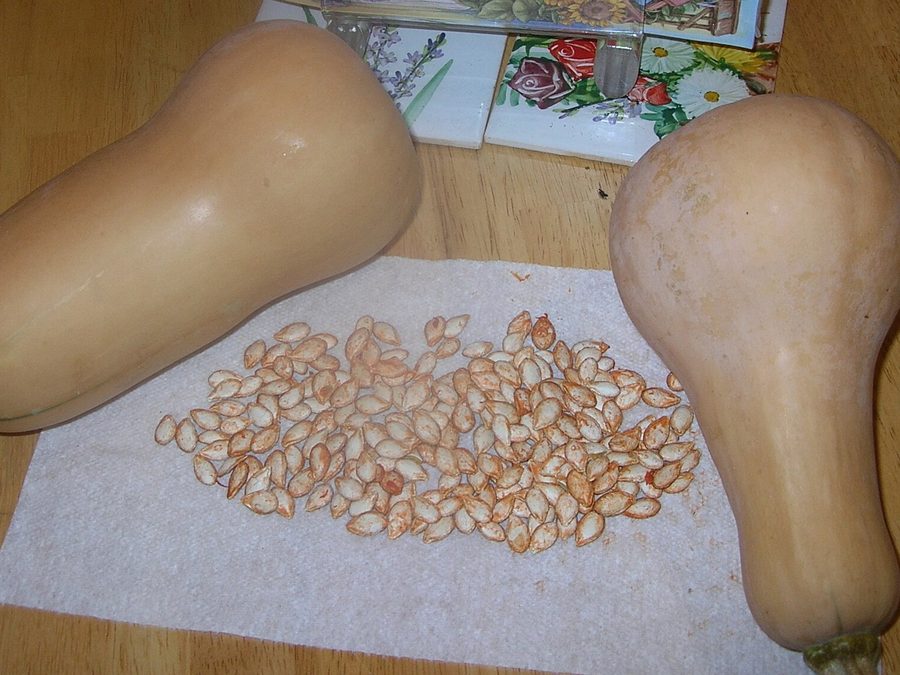
What most families actually do is a mixture: a pre-loaded spoon of thick porridge alongside a strip of roasted butternut squash, some meals fed and some self-fed, depending on the food and the day.
What the research shows
The main randomised trial is BLISS, run in New Zealand, which compared a modified baby-led approach against traditional weaning.
The headline findings, roughly:
- No difference in growth or BMI at 12 or 24 months. The claim that BLW prevents obesity was not supported.
- No increase in choking in the baby-led group — though it is worth noting that BLISS gave families explicit safety guidance, including a list of high-risk foods to avoid.
- A real iron concern. Baby-led infants in some studies had lower iron intakes, because self-feeding an iron-rich food is genuinely harder than spoon-feeding one. BLISS addressed this by having families offer an iron-rich food at every meal.
- Slightly higher choking risk in unmodified BLW in some observational work — largely down to families offering foods like whole grapes or raw carrot that should not be offered at all.
The honest summary: neither approach is clearly better, and both work when done with attention to iron and to shape.
The genuine advantages of each
Baby-led weaning:
- The baby controls the amount, which may help self-regulation of appetite.
- Earlier exposure to varied textures.
- Family food, family mealtimes, no separate cooking.
- More fun to watch, if you can tolerate mess.
Purées and spoon-feeding:
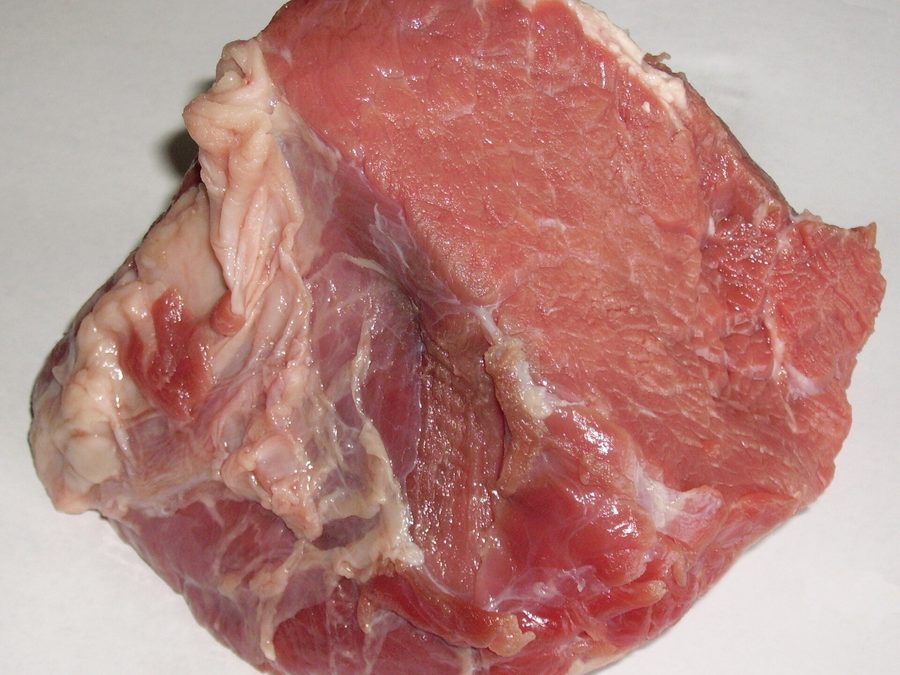
- Much easier to get iron in. A spoon of iron-fortified cereal or puréed beef delivers more than a baby will self-feed in the early weeks.
- Less mess and less waste.
- Easier when a baby is unwell, tired, or has a developmental delay affecting grasp.
- Reassuring if you can see how much actually went in.
The things that matter more than the approach
These are identical whichever route you take, and they matter far more than the choice itself.
Iron at most meals. This is the one that actually shows up in the research. Whether it arrives on a spoon or in a fist, an iron-rich food should be part of most meals from the start — beef, lentils, iron-fortified cereal — with a vitamin C food alongside if it is plant iron.
The right shape for the age. Finger-width strips at 6 to 8 months, bite-sized pieces from around 9. Round things quartered lengthways. This applies to finger foods in both approaches.
Allergens early and maintained. All nine, from around 6 months, kept in the diet roughly twice a week. Purée-fed babies need this just as much.
Responsive feeding. Watching your baby’s cues and stopping when they turn away. It is easy to override a baby’s fullness signals with a spoon, and easy to under-feed by leaving a baby-led baby to it on a day they are not managing much.
No salt, no sugar, no honey before 12 months. Regardless of method.
Where BLW genuinely needs care
If you go fully baby-led, be deliberate about two things.
Iron. A 6-month-old learning to self-feed gets very little food into themselves for the first few weeks. That is fine for calories, because milk is still doing the work — but it is not fine for iron if it goes on for months. Offer an iron-rich food at every meal, and consider a pre-loaded spoon of fortified cereal even if the rest is self-fed.
High-risk foods. The observational studies that found higher choking risk mostly found families offering foods that should never be offered whole: whole grapes, raw carrot, whole nuts, popcorn, cheese cubes. BLW is not a licence to hand over adult food. Every food still needs its own preparation.
Where spoon-feeding needs care
Do not stay on smooth purée too long. Texture progression matters — babies who stay on smooth food past about 9 to 10 months can find lumps harder to accept later. Move to thicker textures and lumps by 8 to 9 months, and get finger foods in alongside.
Do not override fullness. The turned head, the closed mouth, the pushing away — those are cues. The plane-and-hangar routine to get one more spoon in teaches a baby to ignore their own signals.
A reasonable compromise
If you want a practical default rather than a philosophy:
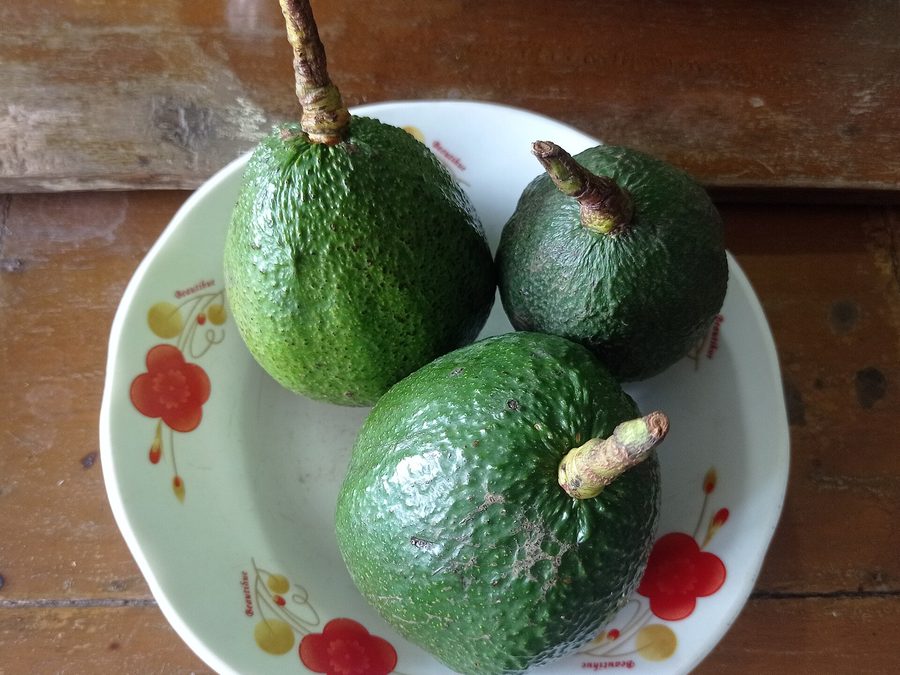
- Offer one or two finger foods on the tray at every meal from 6 months — a strip of avocado, a roasted sweet potato wedge, a broccoli floret.
- Offer a pre-loaded spoon of something iron-rich alongside — oatmeal mixed thick, dal, minced beef in sauce.
- Let your baby take whichever they want. Some days it is all fists, some days it is all spoon.
- Move to bite-sized pieces around 9 months, and hand the spoon over increasingly as they get better with it.
That is what most families converge on anyway, and it takes the pressure off a decision that does not need to be made.
Questions parents ask
Is baby-led weaning safer or riskier than spoon-feeding?
The available research, including the BLISS randomised trial in New Zealand, has not found a higher rate of choking in baby-led weaning when high-risk foods are avoided and pieces are prepared appropriately. Preparation and supervision matter far more than the approach.
Can I do both?
Yes, and most families do. Offering a pre-loaded spoon of porridge alongside a strip of roasted sweet potato is entirely normal and does not confuse a baby. The idea that mixing the two causes problems has no evidence behind it.
Does baby-led weaning prevent picky eating?
The evidence is weak. Some observational studies suggest baby-led babies are slightly less fussy later, but those families differ in other ways too. Exposure to a wide range of flavours and textures early is what looks to matter, and you can do that with either approach.