 FirstNom
Nuts & seeds
Tahini for babies
Sesame joined the top-nine allergen list in 2023, and tahini is the easiest way to introduce it. The rules are the same as peanut butter: thin it, never spoon it.
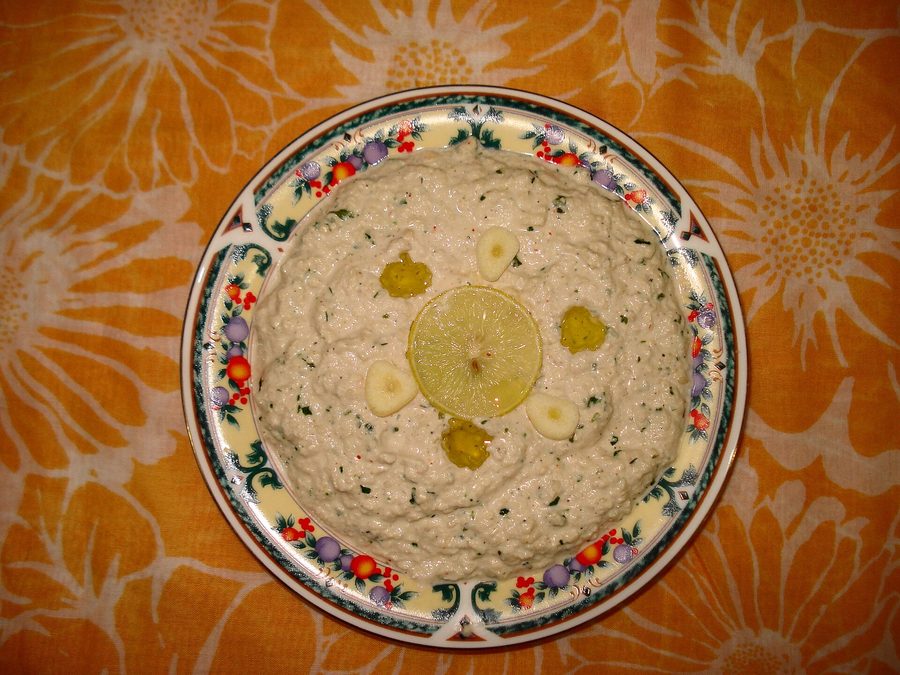
When can babies have tahini?
From around 6 months, once a couple of ordinary first foods have gone down. Sesame became the ninth recognised major allergen in the United States under the FASTER Act, and the same early-introduction logic applies as to peanut and egg: offer it early and keep it in the rotation.
How do you serve tahini to a baby?
The shape is what makes a food safe, and it changes as your baby’s grip and chewing change. Find your baby’s age band.
-
6–8 months
Thin a teaspoon of tahini with warm water or breast milk until it pours, then stir it into oatmeal, yogurt or vegetable purée. Or spread it very thinly on a toast finger. First exposure: small, at home, earlier in the day, two hours of watching.
-
9–11 months
In hummus, thinned over vegetables, or blended into a smoothie.
-
12–18 months
Hummus, tahini dressing on vegetables, or tahini stirred into porridge. Still thin, never a spoonful.
-
18–24 months
As the family eats it. Halva and sesame snaps are very high in sugar and often hard — keep them occasional and check the texture.
Prep tip
Tahini separates hard in the jar. Stir the whole jar thoroughly when you open it, or refrigerate it upside down, or you get oil at the top and cement at the bottom.
Storage
Keeps months in a cupboard, longer refrigerated. Cold tahini is very stiff — bring it to room temperature before thinning.
Is tahini a choking hazard for babies?
Thick tahini straight from the jar is a sticky paste that can adhere to the roof of the mouth and the back of the throat. Always thin it — with water, yogurt, lemon juice or purée — until it pours. Never serve it on a spoon as a blob. Whole sesame seeds sprinkled on food are fine and are not a choking risk.
Whatever you serve, stay within arm’s reach, keep your baby upright in a supportive seat, and never let them eat in a moving car, buggy or carrier. Gagging is loud and normal. Choking is silent.
Is tahini a common allergen?
Sesame is one of the nine common allergens and is often missed because it hides in hummus, bread toppings, spice mixes and sauces. Introduce it deliberately through tahini so you know exactly when the first exposure was. Sesame allergy is more likely to persist than milk or egg allergy. If your baby has severe eczema or another diagnosed food allergy, talk to your pediatrician before the first introduction.
Is tahini healthy for babies?
Tahini is one of the best non-dairy calcium sources there is, and it carries a serious amount of iron and healthy fat — genuinely useful in a dairy-free or plant-based family. Stirred into hummus, yogurt or porridge it adds calories without volume, which matters for a baby who fills up fast.
| Calcium | Very high |
|---|---|
| Iron (non-heme) | High |
| Healthy fats | Very high |
| Protein | Good source |
| Copper | High |
| Iron per serving | ~1.3 mg |
Common questions about tahini
Can I use hummus to introduce sesame instead?
Yes — most hummus contains tahini, and that is a perfectly valid sesame introduction. Check the label first, because a few brands leave it out. Watch the salt in shop-bought tubs.
How often should sesame stay in the diet?
Around twice a week, as with the other allergens. Maintenance matters as much as the first exposure.
Reference material
Guidance on this page follows the sources listed below.
Foods parents look at next
Nuts & seeds
Peanut butter
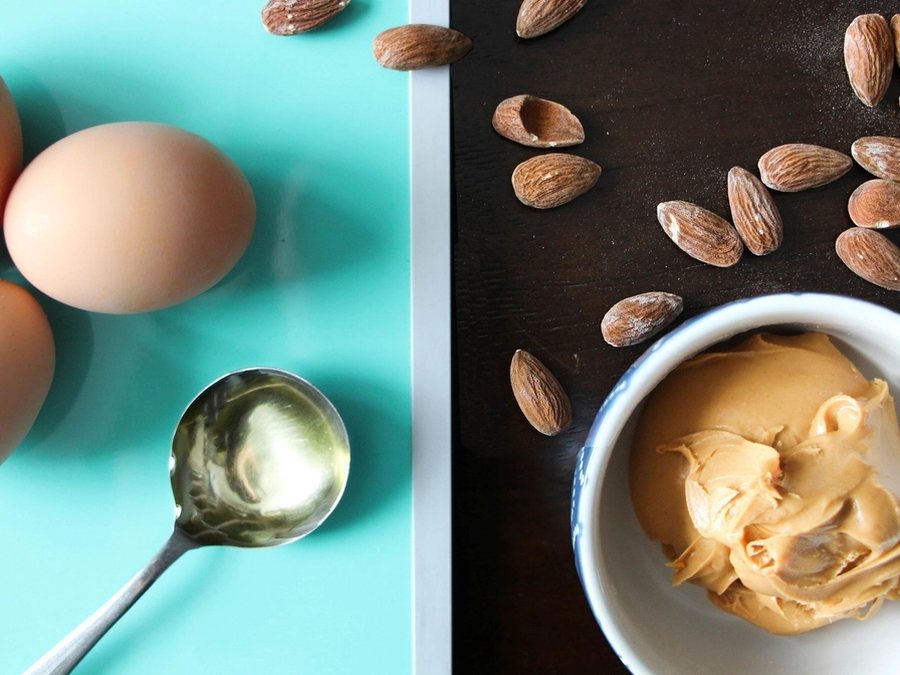
Early, regular peanut is the single best-evidenced way to reduce the risk of peanut allergy.
Beans & legumes
Hummus
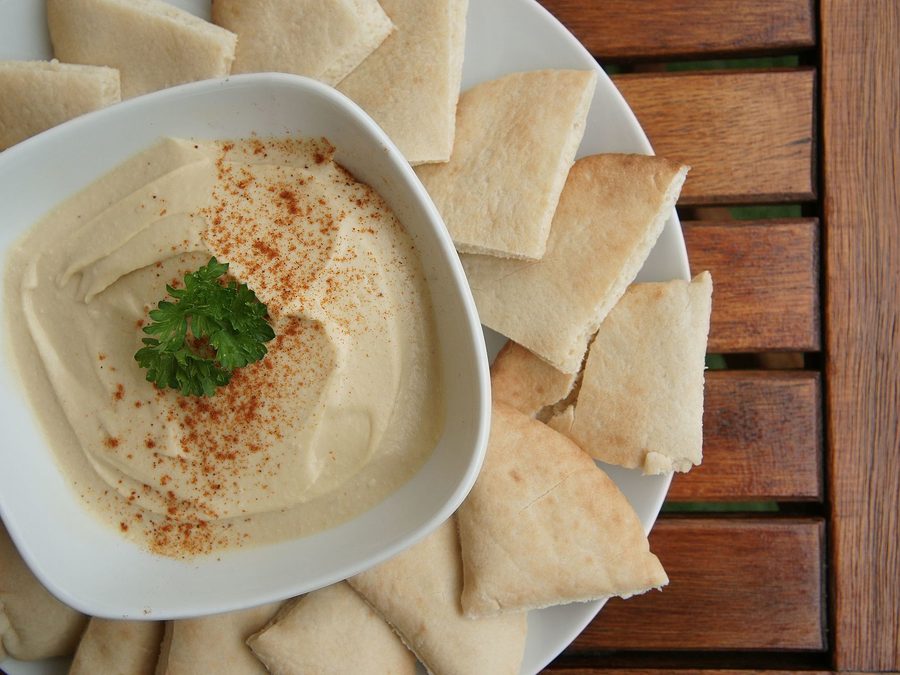
Iron, protein and a sesame introduction in one scoopable dip.
Beans & legumes
Chickpeas
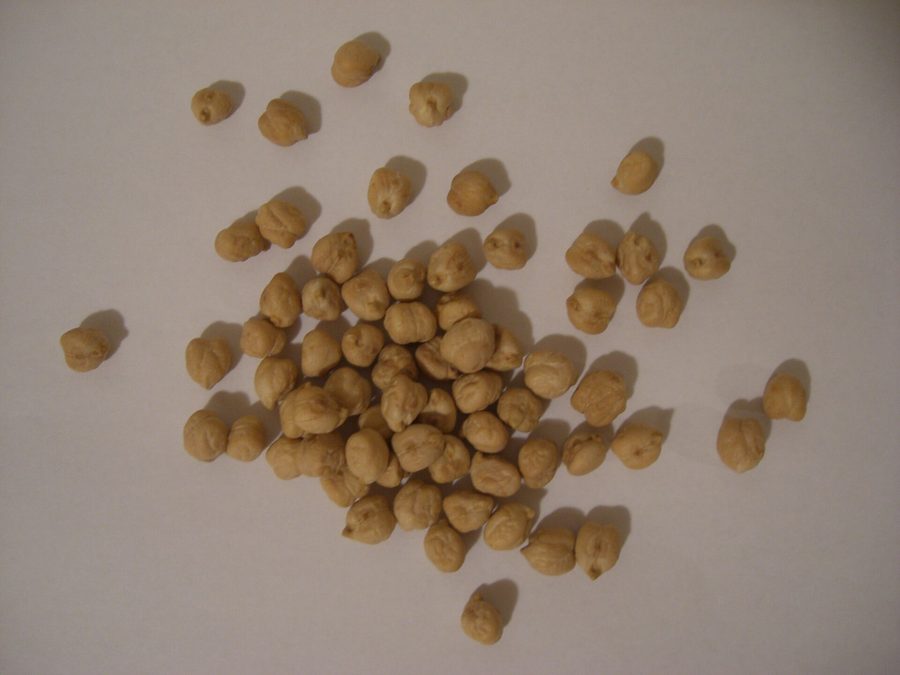
Hummus is one of the great baby foods — and it doubles as a sesame introduction.

Nuts & seeds
Almond butter
A tree-nut introduction that also happens to be a decent calcium source.