 FirstNom
Beans & legumes
Chickpeas for babies
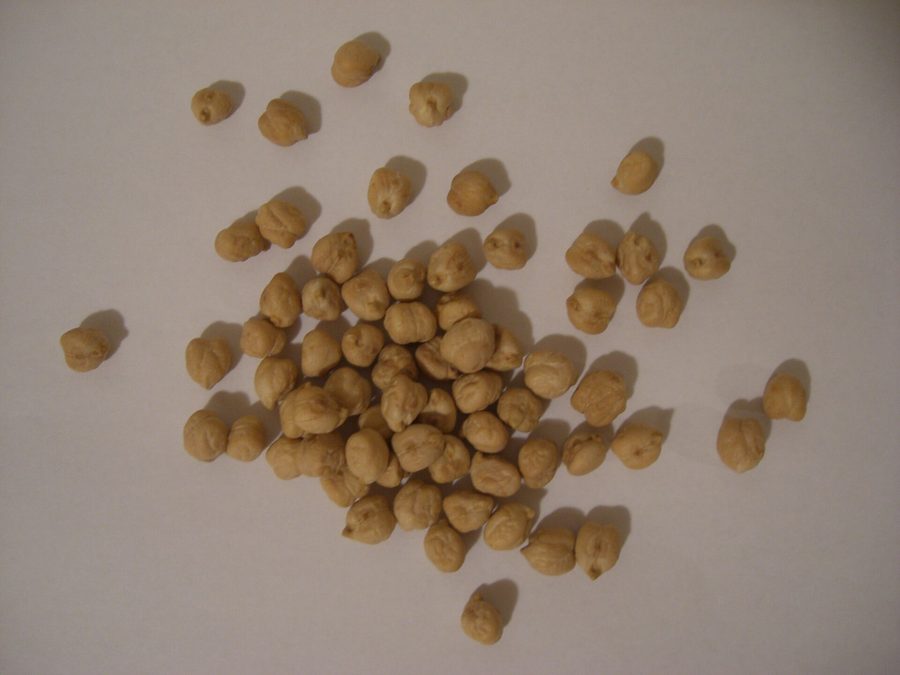
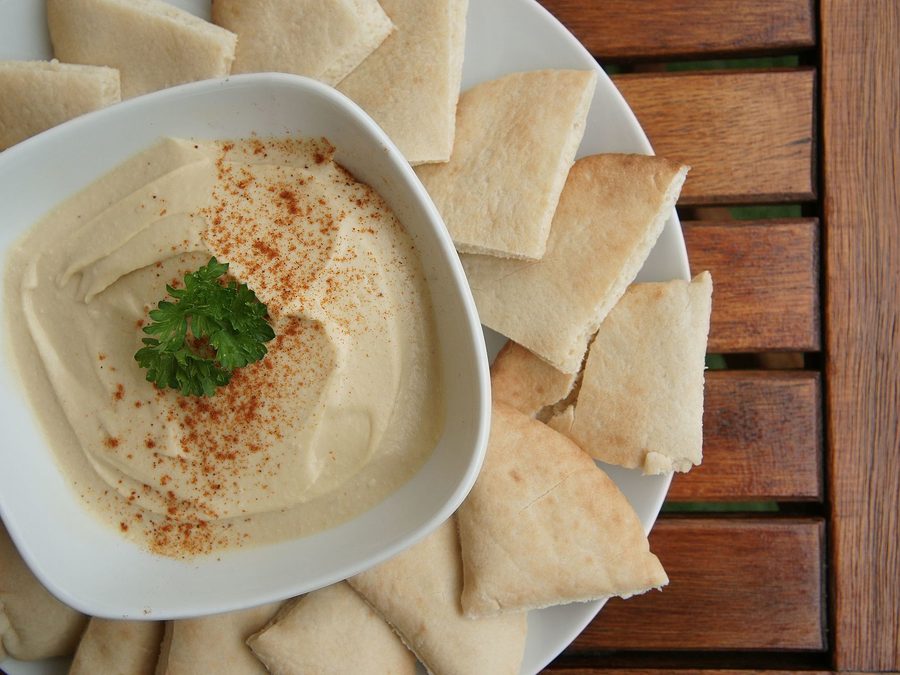
Whole chickpeas need squashing, but hummus is close to a perfect baby food: soft, scoopable, iron-bearing, and it introduces sesame at the same time.
When can babies have chickpeas?
From around 6 months. If you serve hummus, check the ingredients: shop-bought hummus is usually salted, so look for a low-salt version or make your own. Home-made hummus also lets you control the tahini, which is how the sesame introduction happens.
How do you serve chickpeas to a baby?
The shape is what makes a food safe, and it changes as your baby’s grip and chewing change. Find your baby’s age band.
-
6–8 months
Hummus, thinned slightly if very stiff, spread on toast fingers or served as a dip a baby can push their hand into. Or whole cooked chickpeas squashed flat and mashed with a fork.
-
9–11 months
Squashed whole chickpeas for pincer practice, hummus as a dip for soft vegetable batons.
-
12–18 months
Whole soft chickpeas, hummus, chickpea patties, or chickpeas in a mild curry.
-
18–24 months
Family portions. Roasted crunchy chickpeas still wait until around 4 years.
Prep tip
Home-made hummus with no added salt takes five minutes in a blender and lets you introduce sesame through the tahini at the same time. Thin it with cooking water rather than more oil.
Storage
Home-made hummus keeps three days refrigerated and freezes in portions. Cooked chickpeas keep four days.
Is chickpeas a choking hazard for babies?
A whole cooked chickpea is round, firm-skinned and roughly airway-sized — squash each one flat between your fingers before serving to a baby, or serve them mashed. Hummus carries no choking risk at all. Roasted crunchy chickpeas are a hard, round snack and should wait until at least 4 years.
Whatever you serve, stay within arm’s reach, keep your baby upright in a supportive seat, and never let them eat in a moving car, buggy or carrier. Gagging is loud and normal. Choking is silent.
Is chickpeas a common allergen?
Chickpeas themselves are not one of the nine common allergens, but hummus almost always contains tahini, which is sesame — and sesame is. Treat the first hummus as a sesame introduction: small amount, on its own, at home, earlier in the day, watching for two hours.
Is chickpeas healthy for babies?
Chickpeas bring iron, protein, folate and fibre, and they hold flavour well. Made into hummus with tahini, olive oil and lemon, they become calorie-dense enough to matter for a baby eating small volumes — and the lemon's vitamin C improves iron absorption from the chickpeas in the same mouthful, which is a genuinely efficient piece of cooking.
| Iron (non-heme) | High |
|---|---|
| Protein | High |
| Fibre | Very high |
| Folate | Very high |
| Manganese | High |
| Iron per serving | ~1.2 mg |
Common questions about chickpeas
Is shop-bought hummus okay for a baby?
Check the salt. Many supermarket hummus tubs carry around 1 g of salt per 100 g, which is a lot against an under-1s daily limit of under 1 g total. Look for a reduced-salt version, or make your own — it is five minutes in a blender.
Do I need to peel chickpeas?
For hummus, peeling gives a smoother result but is not necessary. For whole chickpeas served to a baby, squashing them flat matters more than peeling.
Can babies have falafel?
From around 12 months, home-made and baked rather than deep-fried, and unsalted. Shop-bought falafel is usually too salty and often too firm.
Guides for this food
Reference material
Guidance on this page follows the sources listed below.
Foods parents look at next
Nuts & seeds
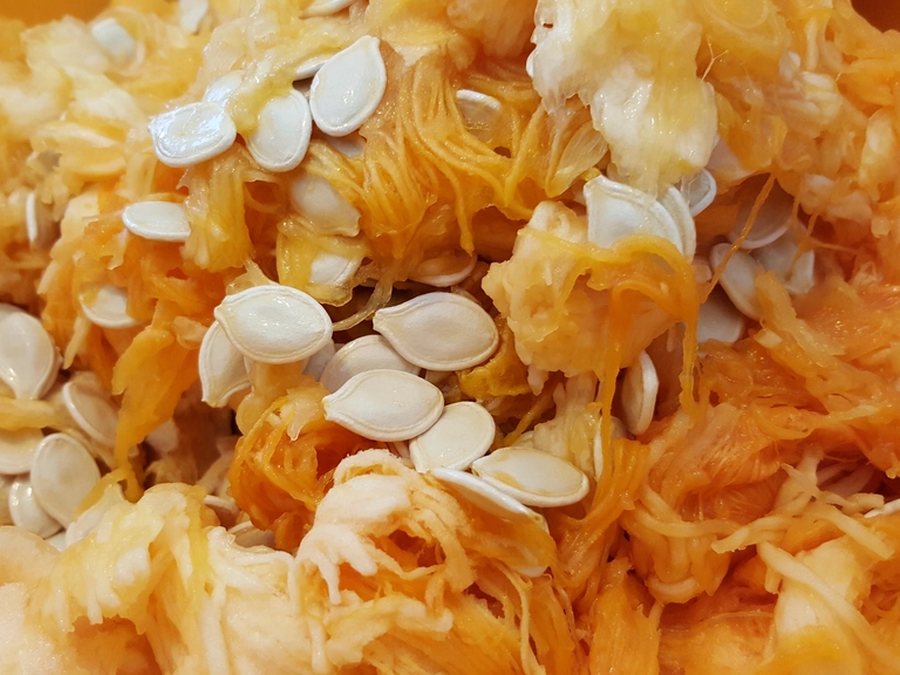
Pumpkin seeds
One of the highest plant iron and zinc sources — ground for babies.
Beans & legumes
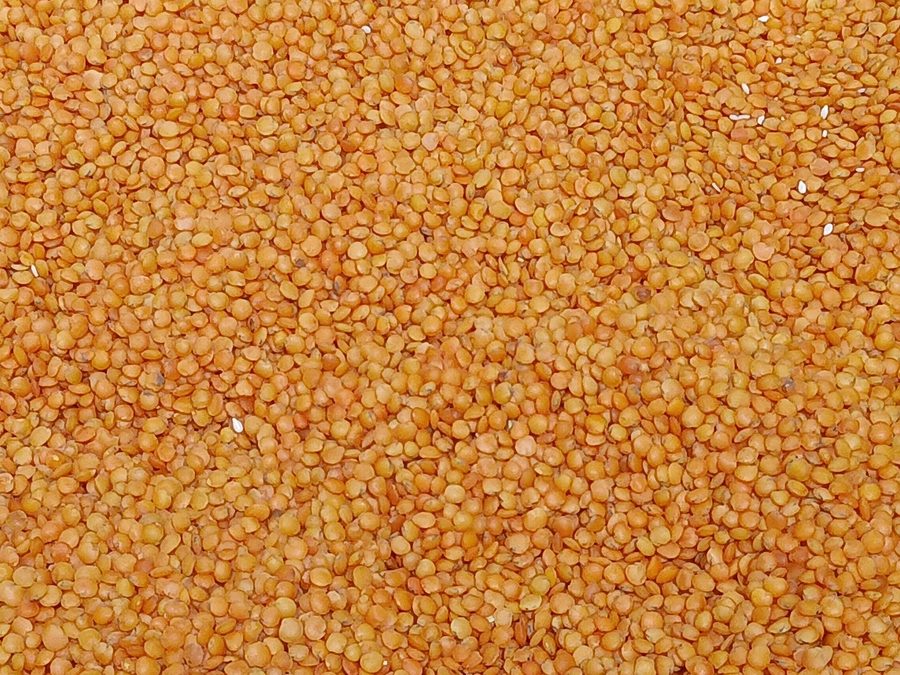
Lentils
The best plant iron source for babies — cheap, soft, and it cooks in twenty minutes.
Beans & legumes
Black beans
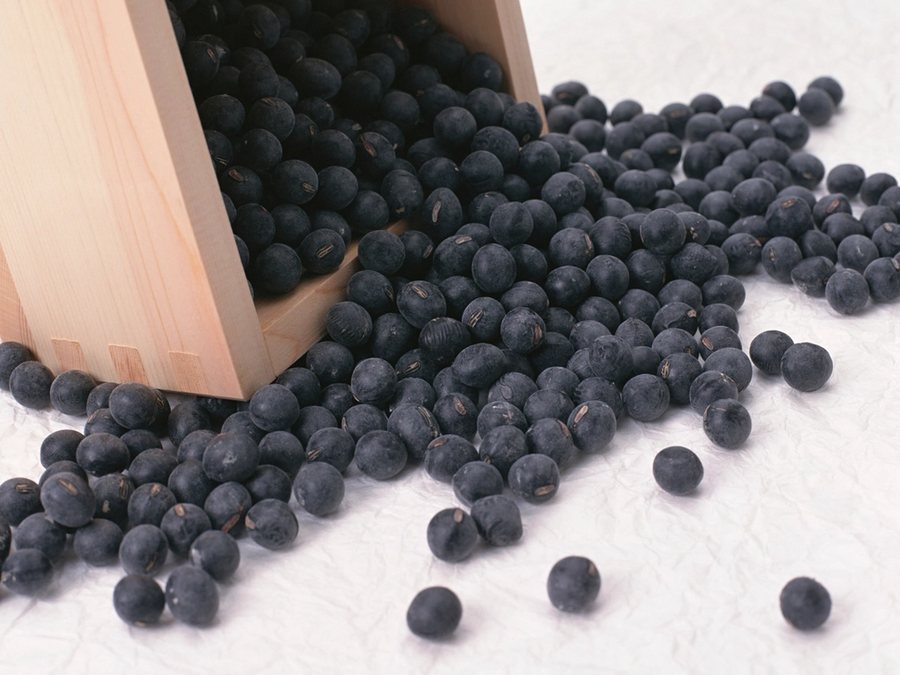
Iron, protein and fibre in a soft package — mash them so a 6-month-old can actually eat them.
Beans & legumes
Hummus
Iron, protein and a sesame introduction in one scoopable dip.