 FirstNom
Wait a while
Cow's milk as a drink for babies
The rule most parents half-remember: cow's milk as a main drink waits until 12 months. In cooking, in porridge and as yogurt or cheese, it is fine from 6 months.
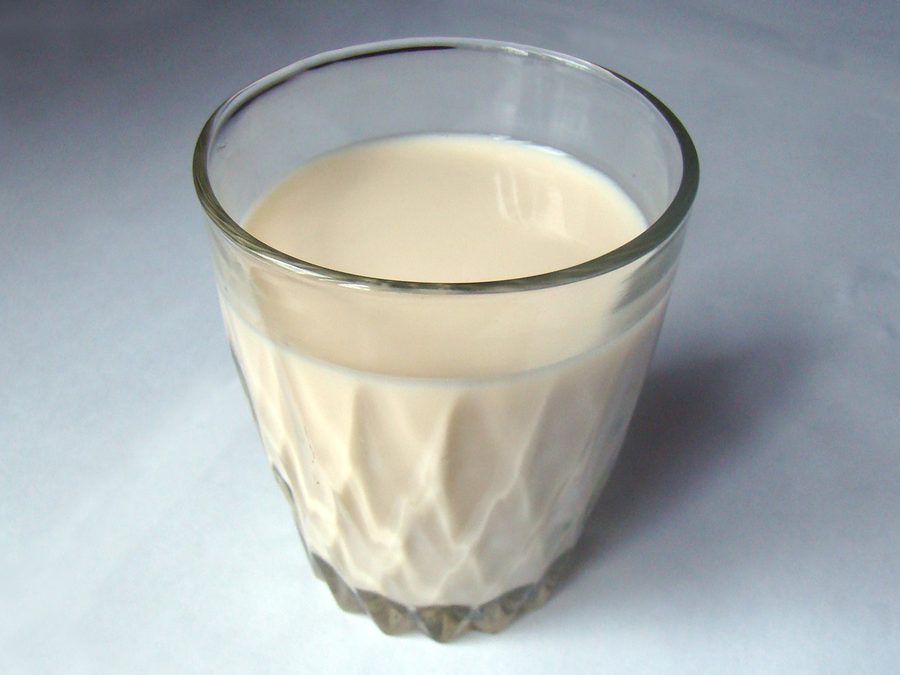
When can babies have cow's milk as a drink?
In cooking and cereal from around 6 months. As a main drink from 12 months, whole (full-fat) until at least 2 years. Before 12 months, breast milk or infant formula only as the main drink.
How do you serve cow's milk as a drink to a baby?
The shape is what makes a food safe, and it changes as your baby’s grip and chewing change. Find your baby’s age band.
-
6–8 months
In cooking only — mixed into porridge, purées or a white sauce. Not in a bottle or cup as a drink.
-
9–11 months
In cooking. Small tastes from a cup with a meal are fine.
-
12–18 months
As a main drink from 12 months, whole and pasteurised, in an open or free-flow cup rather than a bottle. Around 350–400 ml a day.
-
18–24 months
Whole milk until at least 2 years. Semi-skimmed can be introduced from 2 if growth and diet are good.
Prep tip
Move to an open or free-flow cup at 12 months rather than a bottle. Milk sipped from a bottle through the day is both a dental problem and the main route to appetite displacement.
Storage
Refrigerate and use within the date. Do not leave milk out for more than two hours.
Is cow's milk as a drink a choking hazard for babies?
No choking risk. The concern is displacement — large volumes of milk fill a baby up and crowd out iron-rich food, which is one of the more common routes to iron deficiency in toddlers.
Whatever you serve, stay within arm’s reach, keep your baby upright in a supportive seat, and never let them eat in a moving car, buggy or carrier. Gagging is loud and normal. Choking is silent.
Is cow's milk as a drink a common allergen?
Milk is one of the nine common allergens and the most common in infancy, affecting roughly 2 to 3 in 100 babies, most of whom outgrow it by school age. Cow's milk protein allergy is distinct from lactose intolerance, which is rare in infants. If your baby has reacted to formula containing cow's milk, speak to your pediatrician before introducing dairy foods.
Is cow's milk as a drink healthy for babies?
From 12 months cow's milk is an efficient source of calcium, protein, iodine and B12. Two problems keep it out of the first year: it contains almost no iron and can reduce absorption of the iron in other foods, and in large volumes it can irritate the infant gut lining and cause small amounts of blood loss. After 12 months, around 350–400 ml a day is the usual guidance — more than about 500 ml starts displacing food.
| Calcium | Very high |
|---|---|
| Protein | Very high |
| Vitamin B12 | High |
| Iodine | High |
| Iron | Very low |
| Iron per serving | ~0.1 mg |
Common questions about cow's milk as a drink
Why is yogurt fine at 6 months but milk is not until 12?
The restriction is about milk as a main drink, not dairy as a food. Large volumes displace iron-rich food and can irritate the infant gut; a few spoonfuls of yogurt does neither, and fermentation makes the proteins easier to handle.
How much milk should a toddler have?
Around 350–400 ml a day from 12 months. Above roughly 500 ml, milk starts crowding out food and is a recognised contributor to iron deficiency in toddlers.
Whole or semi-skimmed?
Whole until at least 2 years. Babies and toddlers need the fat and the calories.
Guides for this food
Reference material
Guidance on this page follows the sources listed below.
Foods parents look at next
Dairy & eggs
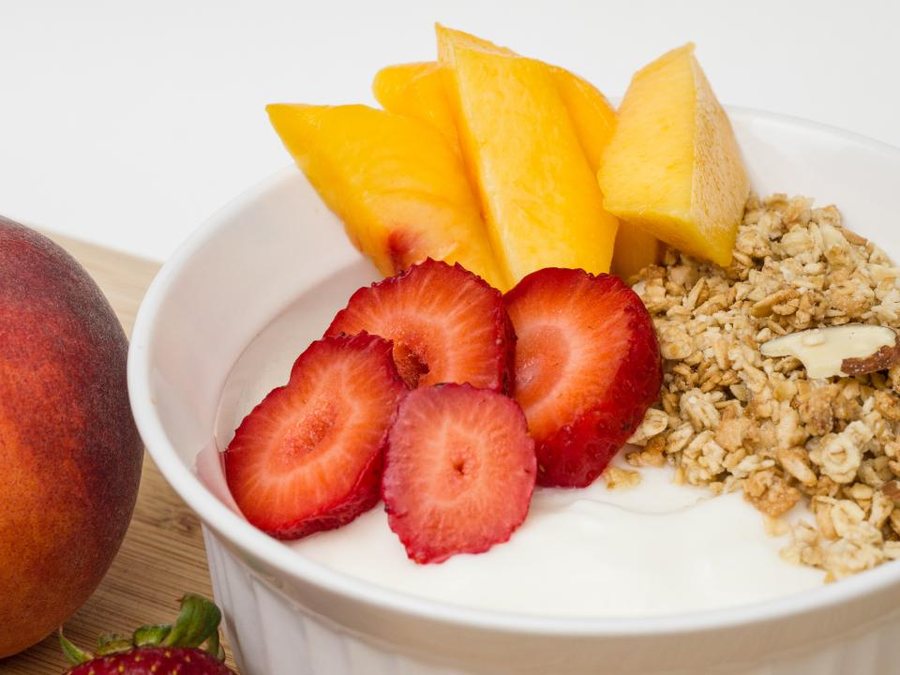
Yogurt
Plain whole-milk yogurt is fine from 6 months — long before cow's milk as a drink.
Dairy & eggs
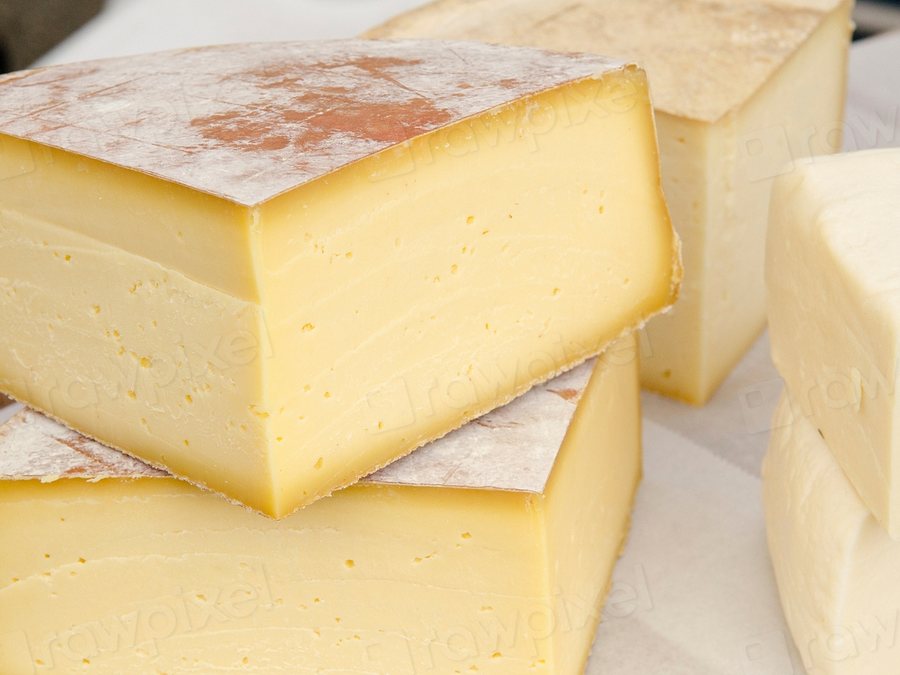
Cheese
Calcium, fat and protein in one — the trick is picking a low-salt one and cutting it right.

Dairy & eggs
Goat milk
Not a safe alternative in cow's milk allergy, and low in folate.
Dairy & eggs
Soy milk
The only plant milk that comes close to cow's milk on protein.