 FirstNom
Other
Ketchup for babies
Ketchup is not dangerous, but it is a sauce built on added sugar and salt, and a baby's first year is the time to keep both low. Wait until after the first birthday, then treat it as an occasional dip, ideally a no-added-sugar one.
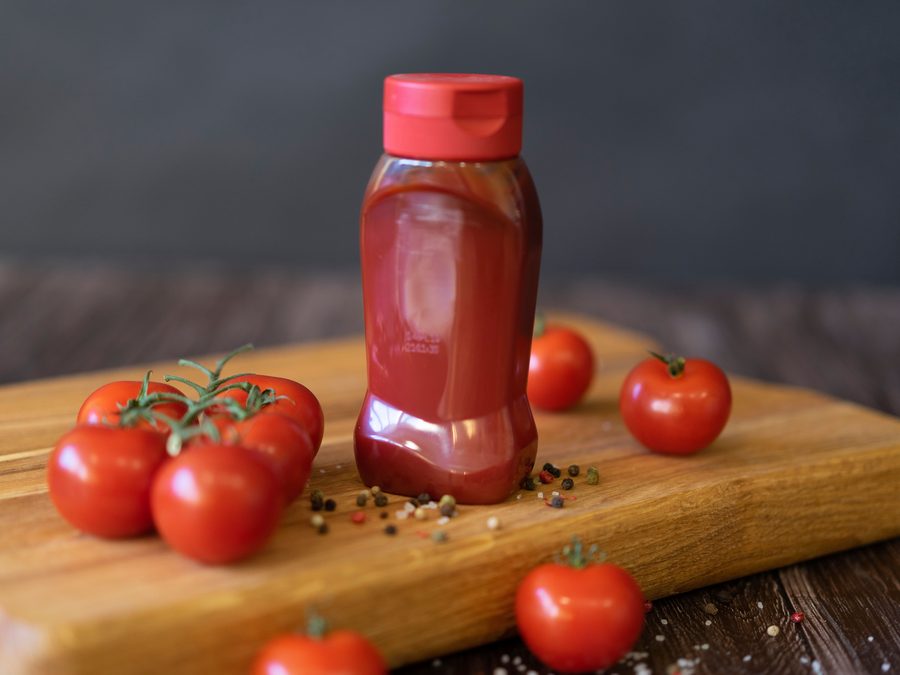
When can babies have ketchup?
Not before 12 months. No health body sets an age for ketchup itself, so the answer comes from the guidance on what it contains. The NHS advises against adding salt or sugar to a baby's food, and the CDC, following the US Dietary Guidelines, advises avoiding added sugars altogether before age 2. In the first year there is no reason to offer it. After 12 months, a small amount of a no-added-sugar, lower-salt ketchup as an occasional dip is a reasonable middle ground. Regular ketchup is best kept for after the second birthday, and even then in small amounts.
How do you serve ketchup to a baby?
The shape is what makes a food safe, and it changes as your baby’s grip and chewing change. Find your baby’s age band.
-
6–8 months
Not yet. For tomato flavour, cook tinned tomatoes (no added salt) into a thick sauce and stir it through pasta, lentils or mince.
-
9–11 months
Still not yet. Keep to homemade tomato sauce, and use plain yogurt or hummus for a baby who has discovered dipping.
-
12–18 months
A thin smear or about a teaspoon of no-added-sugar, lower-salt ketchup, as an occasional dip for strips of omelette, sweet potato wedges or cut-up meatballs. Put it on the plate rather than handing over the bottle, so you control the amount.
-
18–24 months
Still a teaspoon or two, and not at every meal. A no-added-sugar version remains the better everyday choice, alongside other dips, so ketchup does not become the only way a food gets eaten.
-
24 months+
From 2 years, regular ketchup is fine in small amounts with family meals: a tablespoon or less, as one dip among several.
Prep tip
Compare labels per 100 g and choose the ketchup with the lowest sugar and salt. Most supermarkets now sell a no-added-sugar version. For a baby-friendly alternative, simmer tinned tomatoes with a little onion and a splash of vinegar until thick, then blend.
Storage
Keep opened ketchup in the fridge and use it within the time on the label. Homemade tomato sauce keeps three to four days in the fridge and freezes well in ice-cube portions.
Is ketchup a choking hazard for babies?
Ketchup itself is a smooth sauce and not a choking risk. The risk sits in what it is served with. Hot dogs are on the AAP choking-hazard list, and sausages share their shape, because round slices are airway-sized. If ketchup comes out alongside them, cut sausages lengthways into quarters or thin strips, never coins.
Whatever you serve, stay within arm’s reach, keep your baby upright in a supportive seat, and never let them eat in a moving car, buggy or carrier. Gagging is loud and normal. Choking is silent.
Is ketchup a common allergen?
Ketchup is not one of the nine common allergens, and tomato allergy is rare. The red ring that often appears around a baby's mouth after tomato is usually contact irritation from the acidity, not an allergic reaction. If your child has a known food allergy, read the ingredient list as you would for any shop-bought sauce, since recipes vary between brands.
Is ketchup healthy for babies?
Not really. Ketchup is made from concentrated tomato, so it carries some lycopene, but a toddler's realistic serving of a teaspoon or two is too small to matter. According to USDA FoodData Central, a tablespoon of regular ketchup has around 150 mg of sodium and close to a teaspoon of sugar, with almost no iron, fibre or protein. The goodness of tomato is far easier to get from tomato itself: cooked into a sauce, it brings vitamin C that helps your baby absorb iron from lentils, beans or mince served alongside.
| Added sugar | High |
|---|---|
| Sodium | High |
| Lycopene | Some |
| Iron | Negligible |
| Iron per serving | ~0.1 mg |
Ketchup or plain tomato sauce?
Most of what makes ketchup appealing is the tomato, and a thick homemade tomato sauce gives your baby that flavour from 6 months with no added sugar or salt. For dipping, plain yogurt and hummus also bring protein. For where else salt and sugar hide in family food, see salt, sugar and honey.
How sure is this?
- Guideline. Avoid added sugars before age 2, per the CDC, which follows the US Dietary Guidelines. The WHO also advises against foods high in added sugar and salt for young children.
- Guideline. Do not add salt or sugar to a baby’s food, and avoid salty or sugary foods in the first year, per the NHS.
- Common practice, little evidence. No health body sets an age for ketchup itself. Waiting until 12 months, then offering a teaspoon of a no-added-sugar version, is a reasonable reading of the salt and sugar guidance, not a studied threshold.
- Guideline. Cut sausages and hot dogs lengthways, never into coins, per the AAP.
Common questions about ketchup
My baby licked some ketchup off my plate. Is that a problem?
No. A taste does no harm. The guidance on salt and added sugar is about what your baby eats regularly, not about a single lick, so there is nothing to watch for and nothing to do.
Is no-added-sugar ketchup better for a toddler?
Yes, as long as it has not been sweetened with honey, which is never suitable before 12 months. Check that it is also lower in salt, since some no-added-sugar versions keep the same salt level as the regular kind.
Does ketchup count towards my child's vegetables?
Not really. It starts as tomato, but a toddler-sized serving is too small to count, and it comes with sugar and salt a real vegetable does not. Offer cooked tomato, peppers or peas for that.
My toddler gets a red rash around the mouth after ketchup. Is it an allergy?
Usually not. Acidic foods like tomato often redden the skin they touch, and it fades within an hour or so. Call your pediatrician if hives spread beyond the mouth, or if there is swelling of the face or vomiting. Call your emergency number for any difficulty breathing.
Guides for this food
Reference material
Guidance on this page follows the sources listed below.
Foods parents look at next
Vegetable
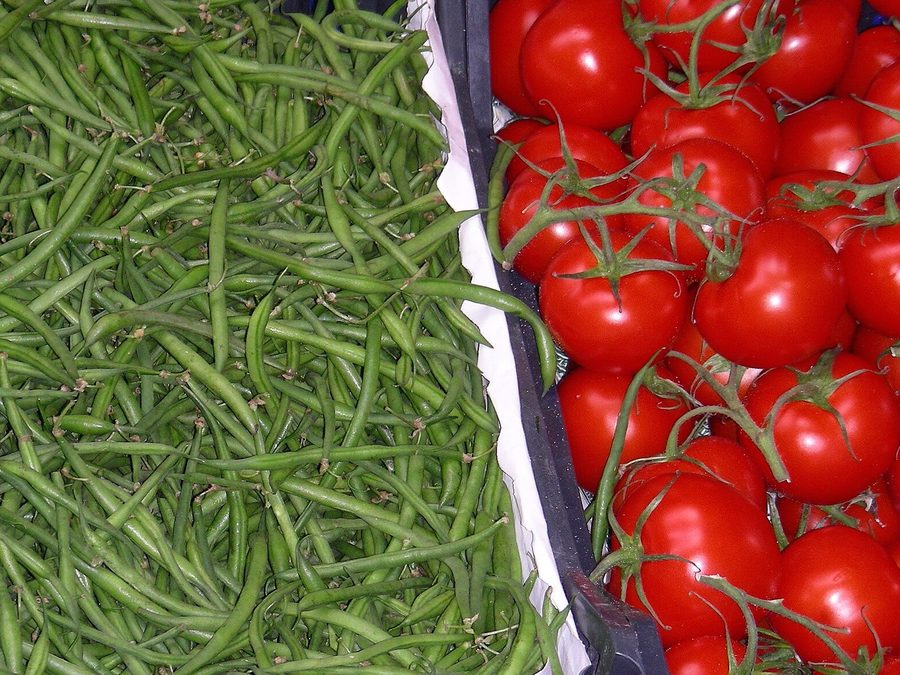
Tomato
Vitamin C for iron absorption — and cherry tomatoes are in the grape hazard class.
Vegetable
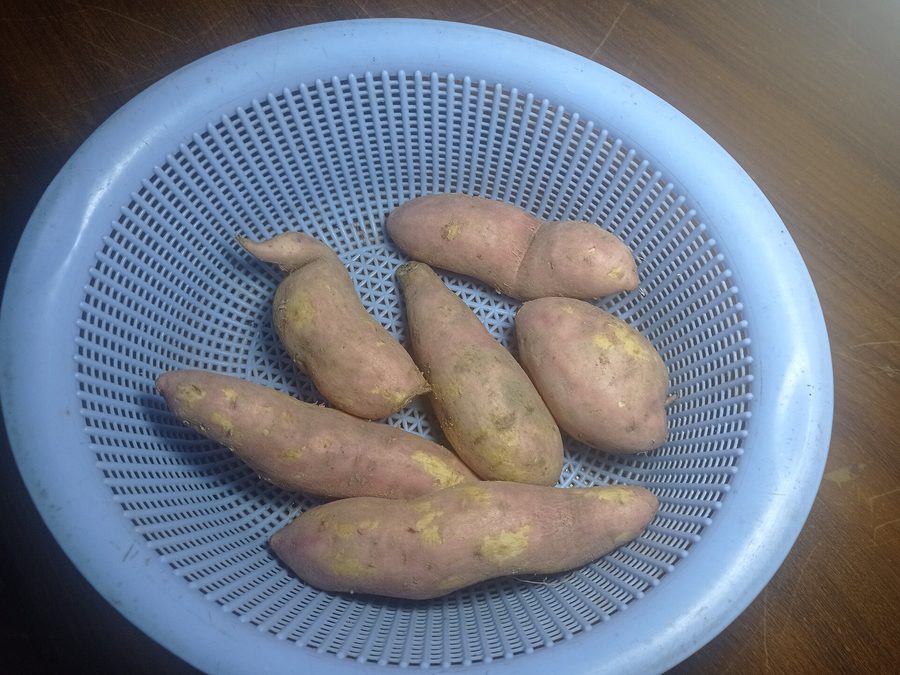
Sweet potato
Roasts to a soft, sweet spear that is easy to hold and hard to get wrong.
Beans & legumes
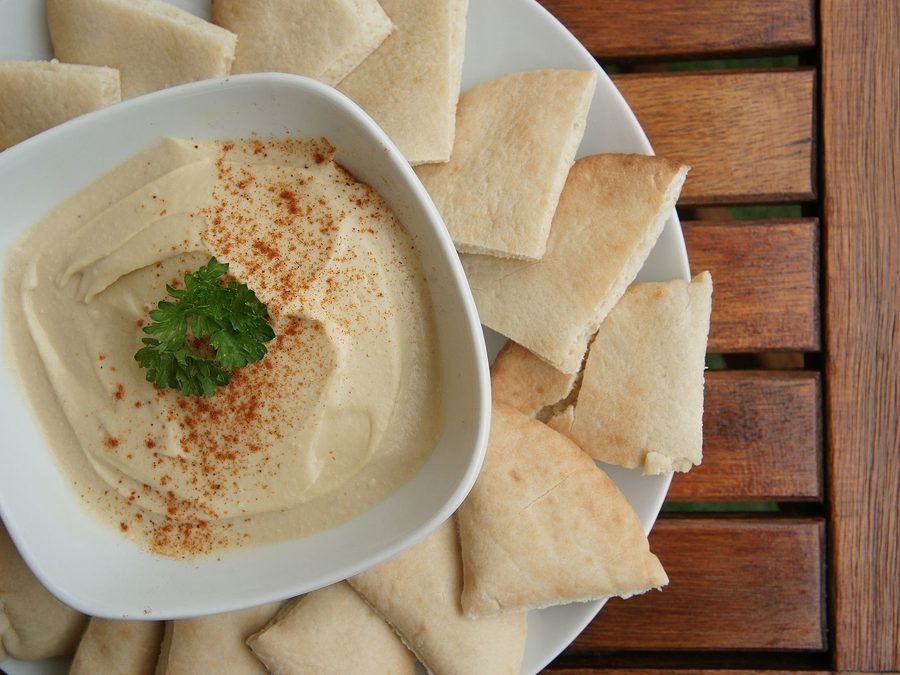
Hummus
Iron, protein and a sesame introduction in one scoopable dip.
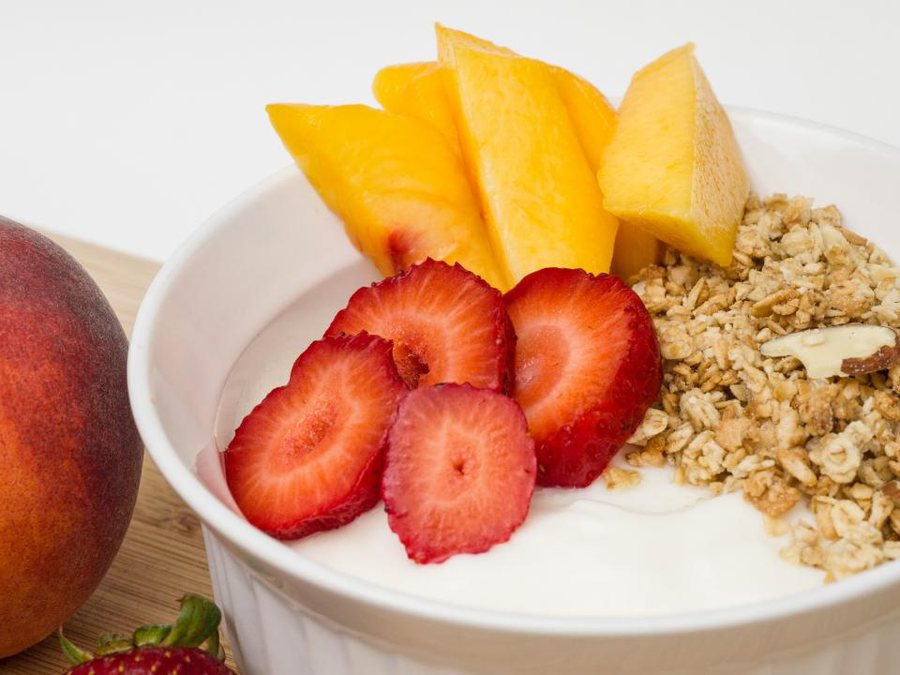
Dairy & eggs
Yogurt
Plain whole-milk yogurt is fine from 6 months — long before cow's milk as a drink.