 FirstNom
Dairy & eggs
Parmesan for babies
Parmesan is the saltiest cheese most babies will meet. Used as a seasoning — a light grating over pasta or vegetables — it is fine and genuinely useful.
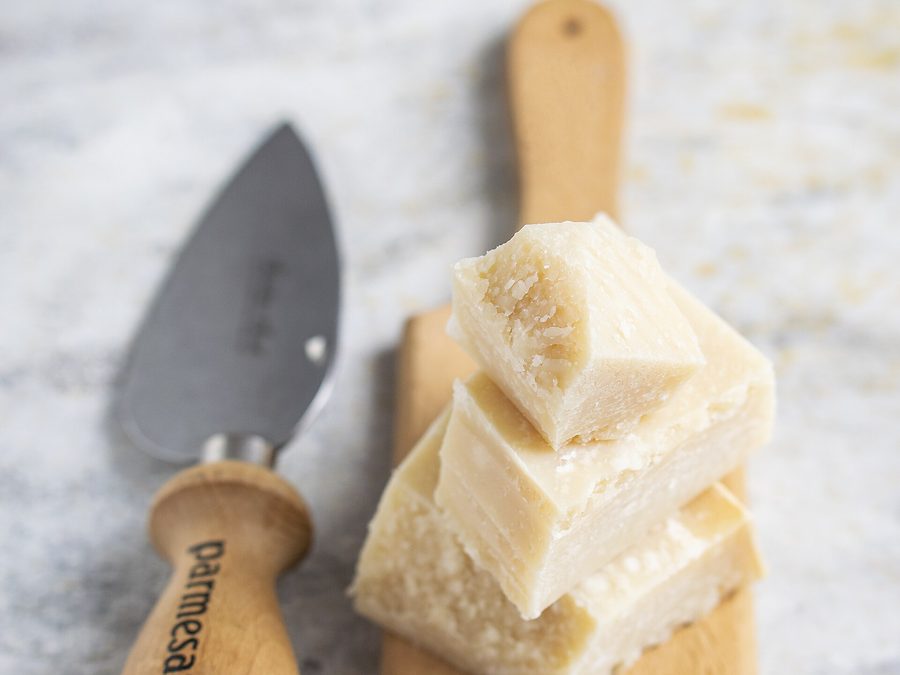
When can babies have parmesan?
From around 6 months, finely grated in small amounts as a seasoning. Traditional Parmigiano Reggiano is made with unpasteurised milk but is aged well beyond 12 months, which is generally considered to make it safe — check with your doctor if your child is immunocompromised.
How do you serve parmesan to a baby?
The shape is what makes a food safe, and it changes as your baby’s grip and chewing change. Find your baby’s age band.
-
6–8 months
A light grating over pasta, vegetables or risotto. A teaspoon, not a portion.
-
9–11 months
Grated over food as a seasoning.
-
12–18 months
Grated over pasta and vegetables. Watch the daily salt total.
-
18–24 months
As the family uses it, in moderation.
Prep tip
Use parmesan instead of salt. A light grating gives food the savoury depth that makes a baby accept it, and you control the amount precisely.
Storage
A block keeps months refrigerated wrapped. Grate as you need it — pre-grated dries out and often contains anti-caking agents.
Is parmesan a choking hazard for babies?
Finely grated parmesan poses no risk. Chunks and shavings of hard parmesan are firm and should not be given to a baby — this is a very hard cheese.
Whatever you serve, stay within arm’s reach, keep your baby upright in a supportive seat, and never let them eat in a moving car, buggy or carrier. Gagging is loud and normal. Choking is silent.
Is parmesan a common allergen?
Parmesan is a milk product. Traditional Parmigiano Reggiano is unpasteurised but aged over 12 months, which is generally accepted as safe for babies; ask your doctor if your child is immunocompromised.
Is parmesan healthy for babies?
Parmesan is extraordinarily dense in calcium and protein, and a teaspoon carries a lot of flavour. Used as a seasoning it makes vegetables more appealing without adding salt from a shaker — a genuinely useful trick when a baby is rejecting greens.
| Calcium | Extremely high |
|---|---|
| Protein | Extremely high |
| Sodium | Very high |
| Vitamin B12 | Good source |
| Iron per serving | ~0.1 mg |
Common questions about parmesan
Is parmesan too salty for a baby?
As a portion, yes — it is around 1.6 g of salt per 100 g and one of the saltiest cheeses. As a teaspoon of seasoning over a meal, it is fine and often useful.
Is unpasteurised parmesan safe?
Parmigiano Reggiano is aged well over 12 months, which is generally considered to eliminate the listeria risk. Soft unpasteurised cheeses are a different matter and should wait until 12 months.
Guides for this food
Reference material
Guidance on this page follows the sources listed below.
Foods parents look at next
Dairy & eggs
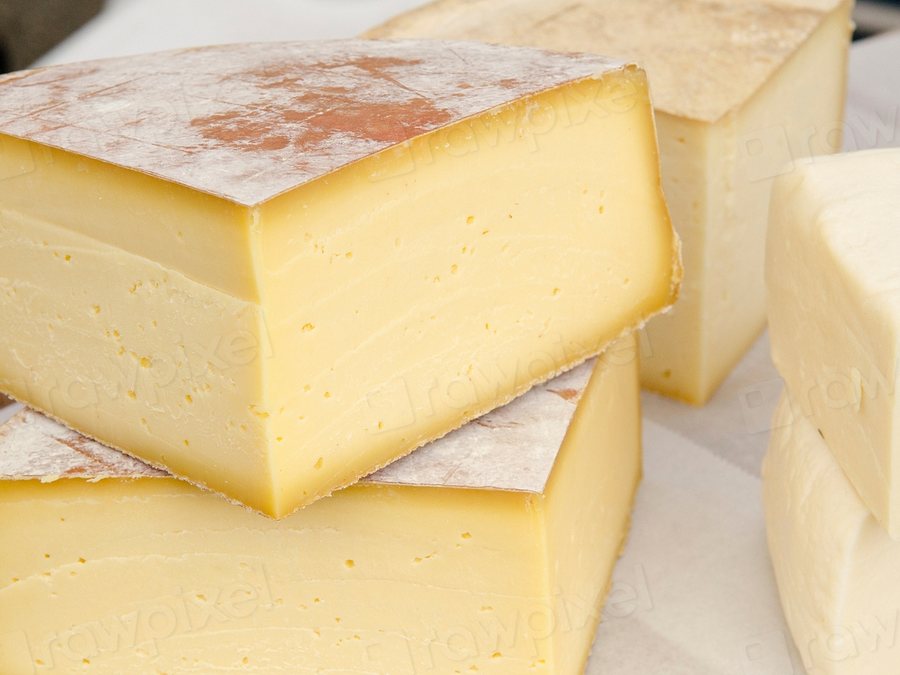
Cheese
Calcium, fat and protein in one — the trick is picking a low-salt one and cutting it right.
Dairy & eggs
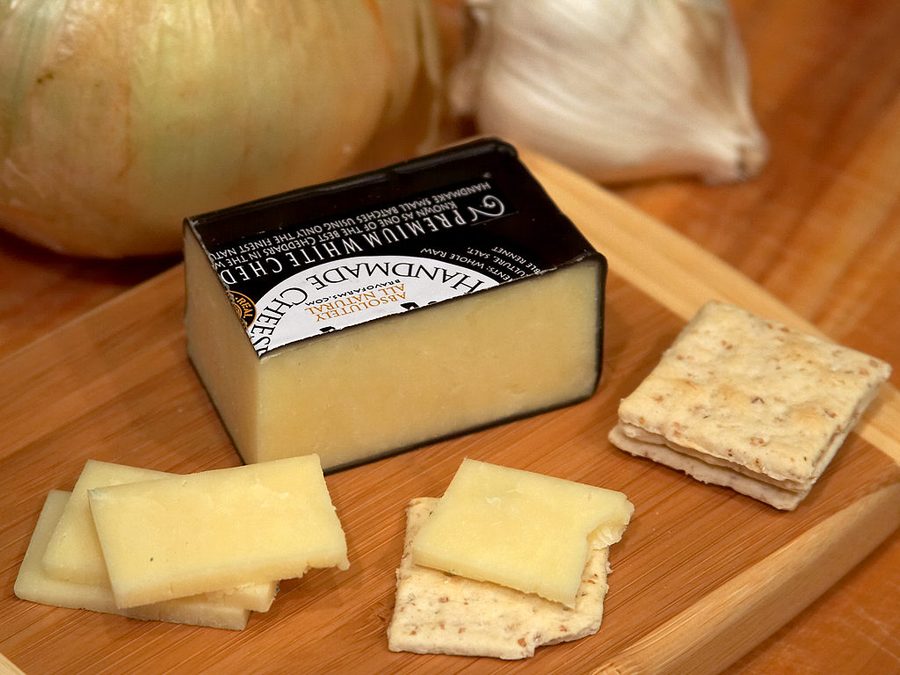
Cheddar
High in calcium, high in salt — grate it and keep the portion small.
Grains
Pasta
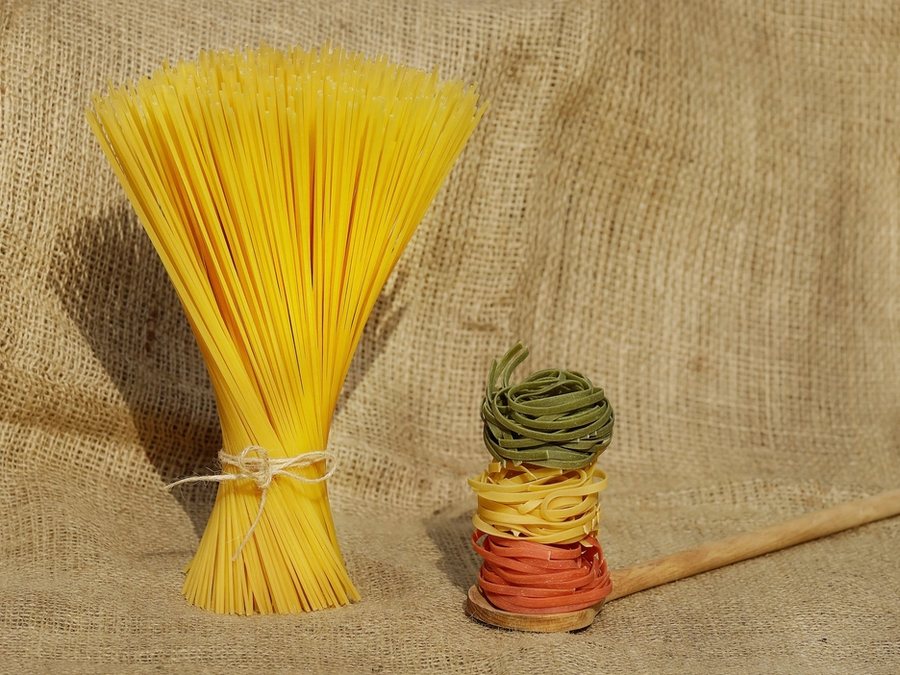
Big shapes are easier than small ones — fusilli and penne beat spaghetti for a beginner.
Dairy & eggs
Mozzarella
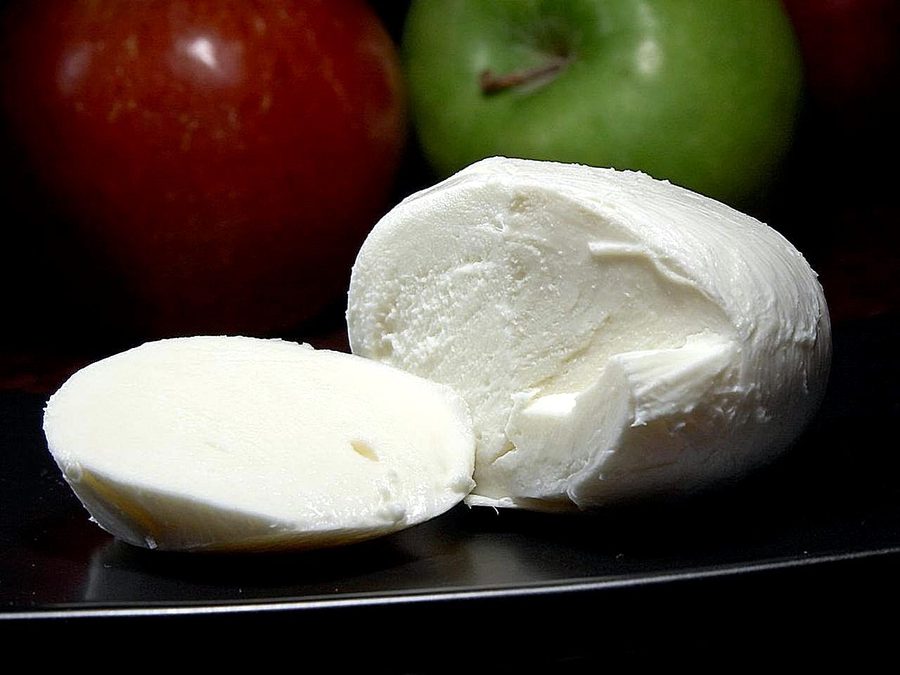
One of the mildest, lowest-salt cheeses — but never in cubes or sticks.