 FirstNom
Dairy & eggs
Mozzarella for babies
Fresh mozzarella is mild and comparatively low in salt, which makes it a good early cheese. The shape is the only issue: it must be torn or grated, never cubed.
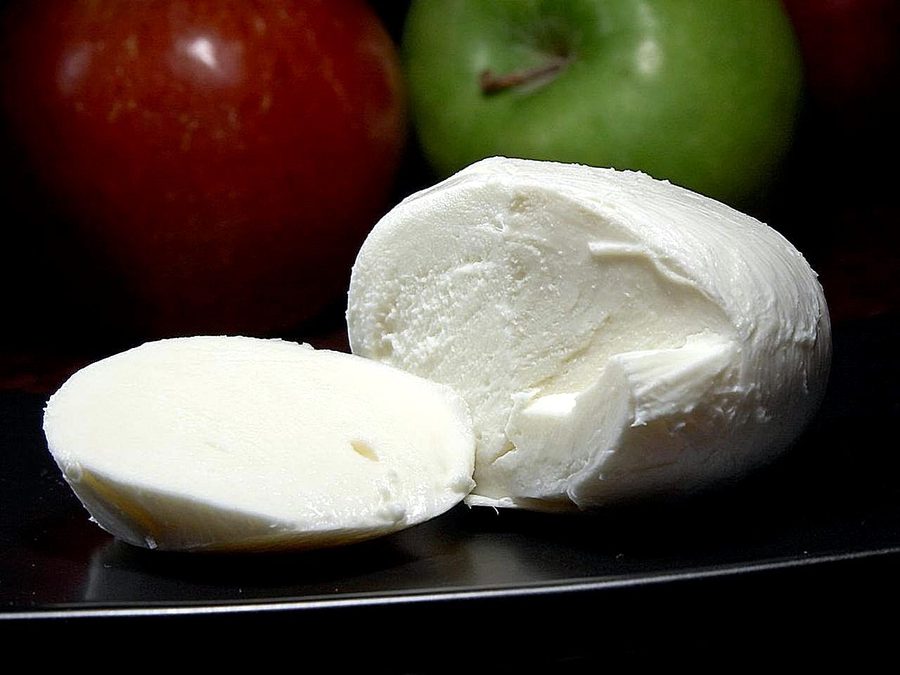
When can babies have mozzarella?
From around 6 months, torn or grated, pasteurised and full-fat.
How do you serve mozzarella to a baby?
The shape is what makes a food safe, and it changes as your baby’s grip and chewing change. Find your baby’s age band.
-
6–8 months
Tear fresh mozzarella into thin shreds and scatter them, or melt grated mozzarella into a vegetable bake or pasta.
-
9–11 months
Thin shreds or grated. Not cubes.
-
12–18 months
Torn pieces, grated, or melted. Still not cubes or sticks.
-
18–24 months
Small torn pieces. Cheese cubes are still worth avoiding.
Prep tip
Tear rather than cut. Torn mozzarella comes apart in irregular shreds that cannot form a plug, which cubes can.
Storage
Fresh mozzarella keeps in its liquid for a few days. Block mozzarella keeps longer and grates better — freeze it grated.
Is mozzarella a choking hazard for babies?
Mozzarella is springy and does not compress, which makes cubes and sticks a serious hazard — cheese cubes appear on choking-hazard lists specifically. Tear fresh mozzarella into thin shreds, or grate the firmer block type. Cheese strings should be pulled apart lengthways, never bitten off in chunks.
Whatever you serve, stay within arm’s reach, keep your baby upright in a supportive seat, and never let them eat in a moving car, buggy or carrier. Gagging is loud and normal. Choking is silent.
Is mozzarella a common allergen?
Mozzarella is a milk product. Buffalo mozzarella and fresh mozzarella should be pasteurised for a baby — check the label, as some artisan versions are not.
Is mozzarella healthy for babies?
Fresh mozzarella carries roughly half the sodium of cheddar with similar calcium and protein, which makes it one of the better everyday cheeses for a baby. It melts well, which is useful for getting cheese into a vegetable bake.
| Calcium | High |
|---|---|
| Protein | High |
| Sodium | Moderate — lower than most cheese |
| Vitamin B12 | Good source |
| Iron per serving | ~0.1 mg |
Common questions about mozzarella
Why are cheese cubes a choking hazard?
Cheese is springy and does not compress under pressure, so a cube keeps its shape and can seal an airway. Grate or tear it instead — it is one of the easiest hazards to remove.
Is mozzarella lower in salt than cheddar?
Fresh mozzarella, yes — usually around half. Low-moisture pizza mozzarella is saltier. Check the label.
Guides for this food
Reference material
Guidance on this page follows the sources listed below.
Foods parents look at next
Dairy & eggs
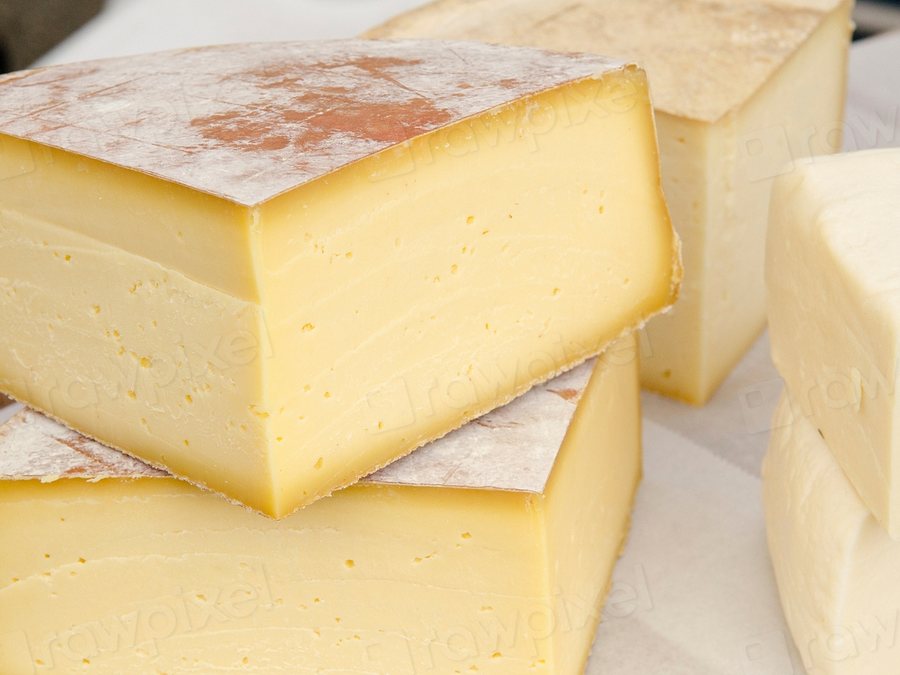
Cheese
Calcium, fat and protein in one — the trick is picking a low-salt one and cutting it right.
Dairy & eggs
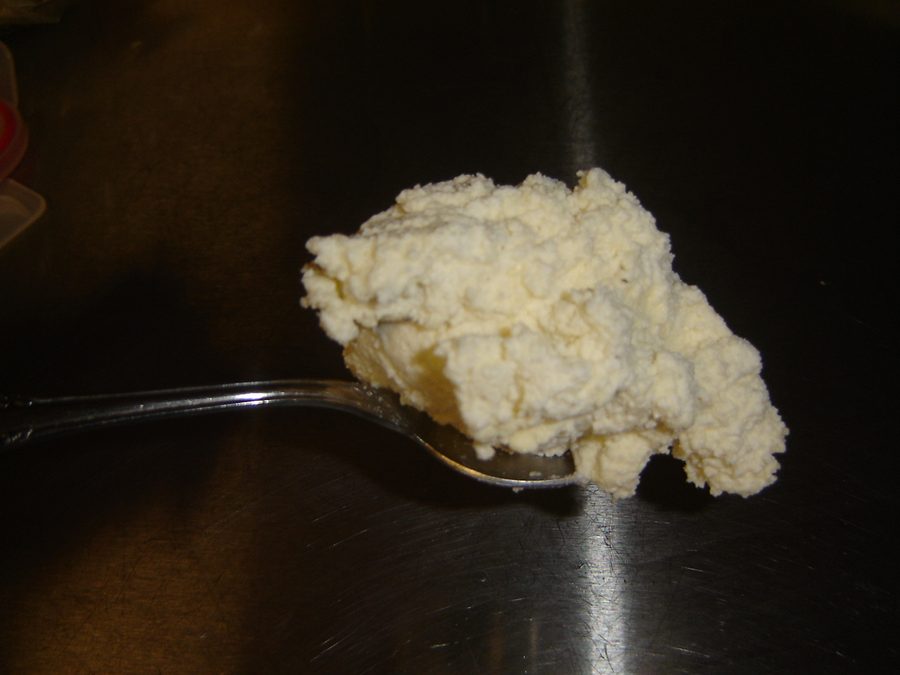
Ricotta
One of the lowest-salt cheeses, high in protein and soft enough to spoon.
Dairy & eggs
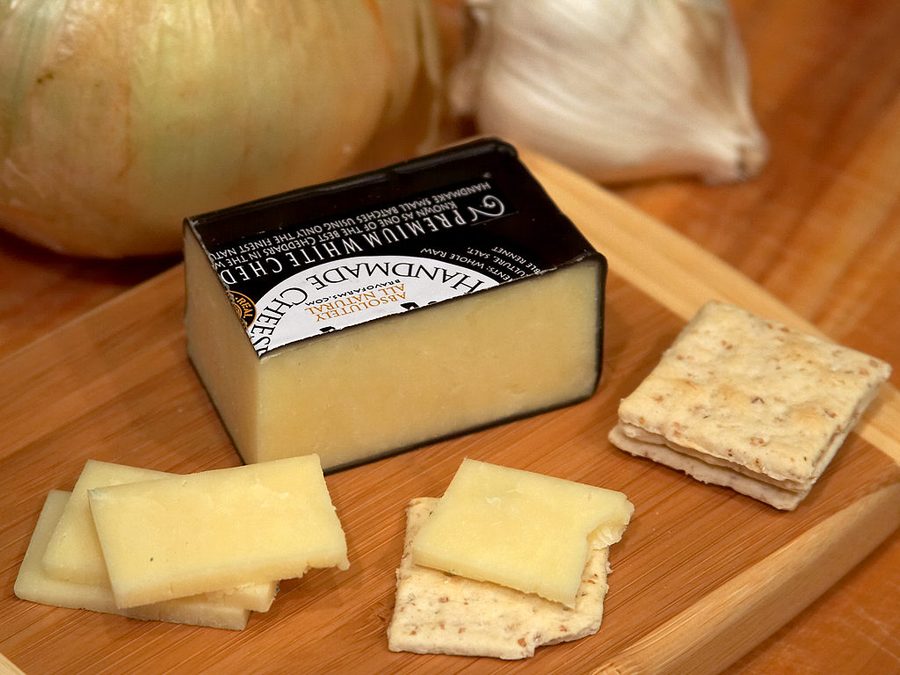
Cheddar
High in calcium, high in salt — grate it and keep the portion small.
Vegetable
Tomato
Vitamin C for iron absorption — and cherry tomatoes are in the grape hazard class.