 FirstNom
Dairy & eggs
Ricotta for babies
Ricotta is close to the ideal baby cheese: very low in salt, high in protein, and soft enough to eat with a spoon at 6 months.
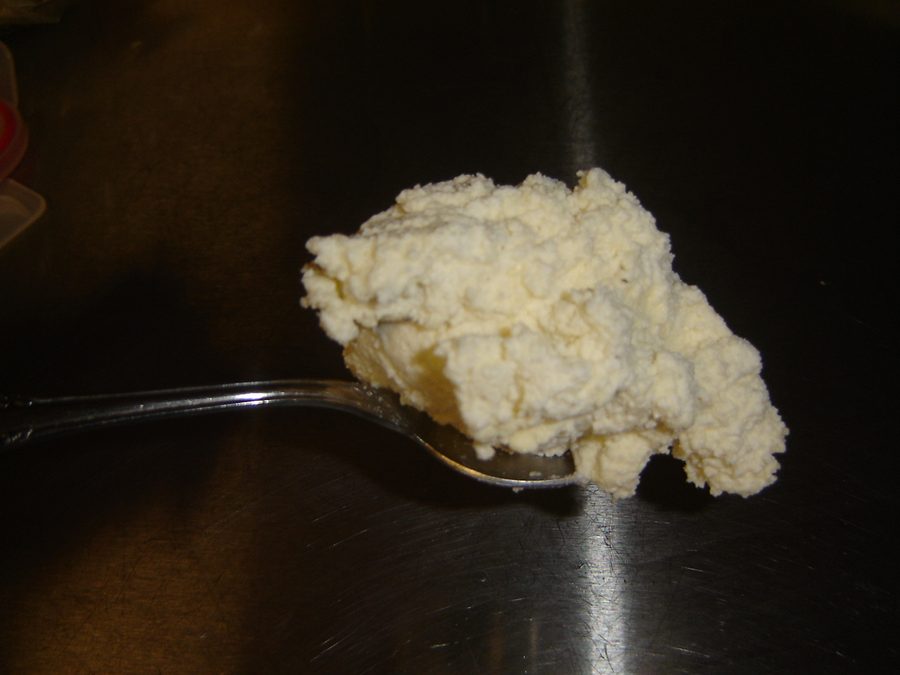
When can babies have ricotta?
From around 6 months, full-fat and pasteurised.
How do you serve ricotta to a baby?
The shape is what makes a food safe, and it changes as your baby’s grip and chewing change. Find your baby’s age band.
-
6–8 months
By the spoonful, spread on toast fingers, or stirred into mashed vegetable or fruit.
-
9–11 months
On toast, in pasta, or mixed with mashed fruit.
-
12–18 months
In pasta bakes, on toast, stirred into scrambled egg, or with fruit.
-
18–24 months
As the family eats it.
Prep tip
Ricotta stirred into hot pasta with a little of the cooking water makes an instant creamy sauce with no salt and real protein.
Storage
Refrigerate and use within three days of opening. It does not freeze well on its own but freezes fine cooked into a dish.
Is ricotta a choking hazard for babies?
No choking risk. The curds are soft and break apart readily.
Whatever you serve, stay within arm’s reach, keep your baby upright in a supportive seat, and never let them eat in a moving car, buggy or carrier. Gagging is loud and normal. Choking is silent.
Is ricotta a common allergen?
Ricotta is a milk product. Milk is one of the nine common allergens and the most common in infancy.
Is ricotta healthy for babies?
Ricotta carries substantially less sodium than most cheeses while still bringing good calcium and protein — the best of both. It is soft enough to spoon-feed, spreads on toast, and blends into pasta sauces and pancake batter without changing the texture.
| Protein | High |
|---|---|
| Calcium | High |
| Vitamin A | Good source |
| Sodium | Low |
| Iron per serving | ~0.2 mg |
Common questions about ricotta
Is ricotta the best cheese for a baby?
It is among the best, because it is very low in sodium while still carrying calcium and protein. Mozzarella and cottage cheese are similar.
Can I use ricotta instead of yogurt?
For protein and calcium, broadly yes. Yogurt has live cultures and is thicker for self-feeding; ricotta is lower in salt than most cheese. Both are useful.
Guides for this food
Reference material
Guidance on this page follows the sources listed below.
Foods parents look at next
Dairy & eggs
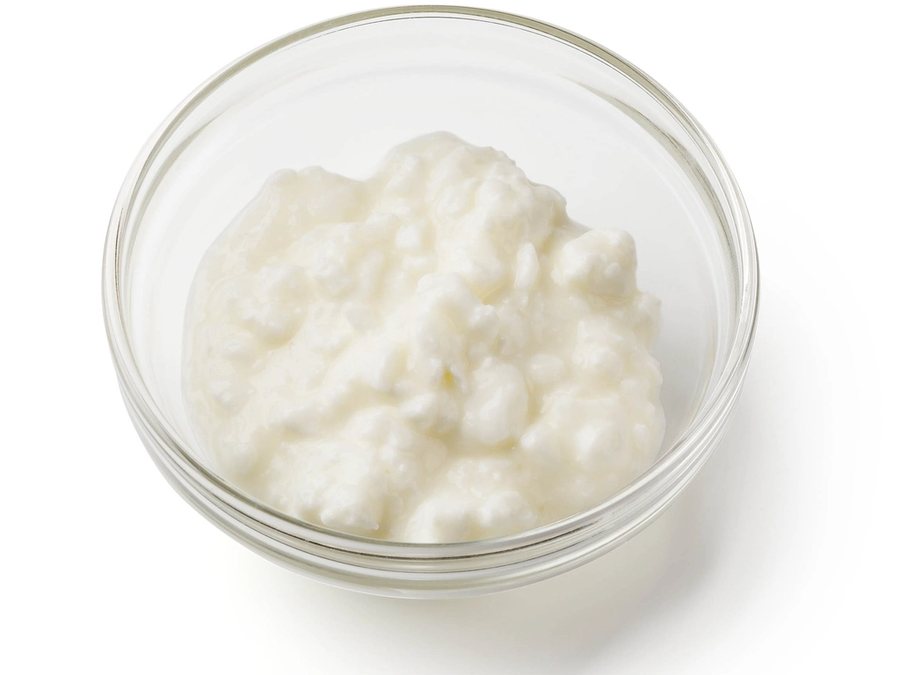
Cottage cheese
Soft, high in protein and much lower in salt than hard cheese.
Dairy & eggs
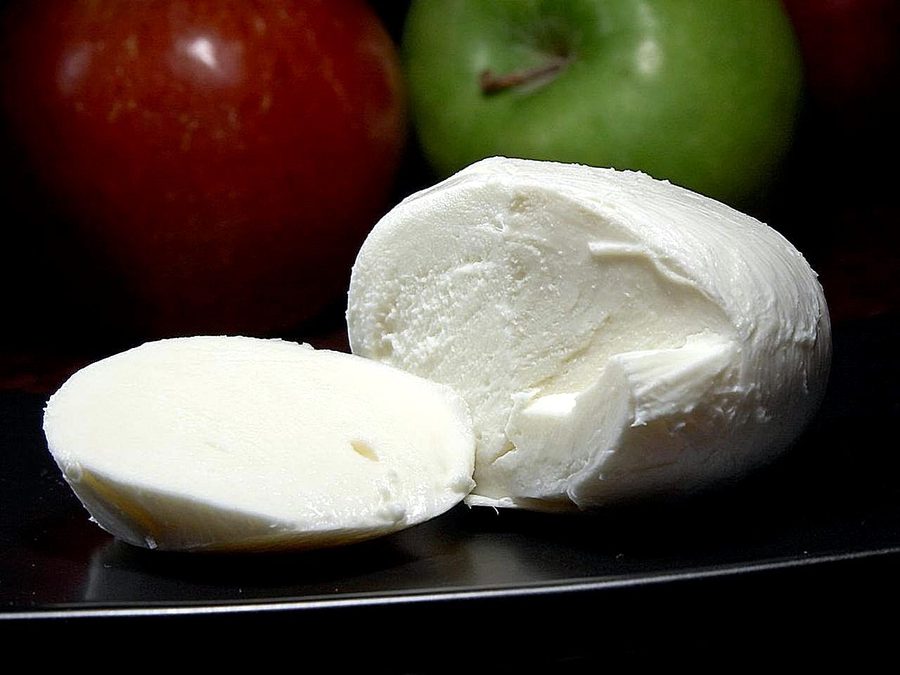
Mozzarella
One of the mildest, lowest-salt cheeses — but never in cubes or sticks.
Dairy & eggs
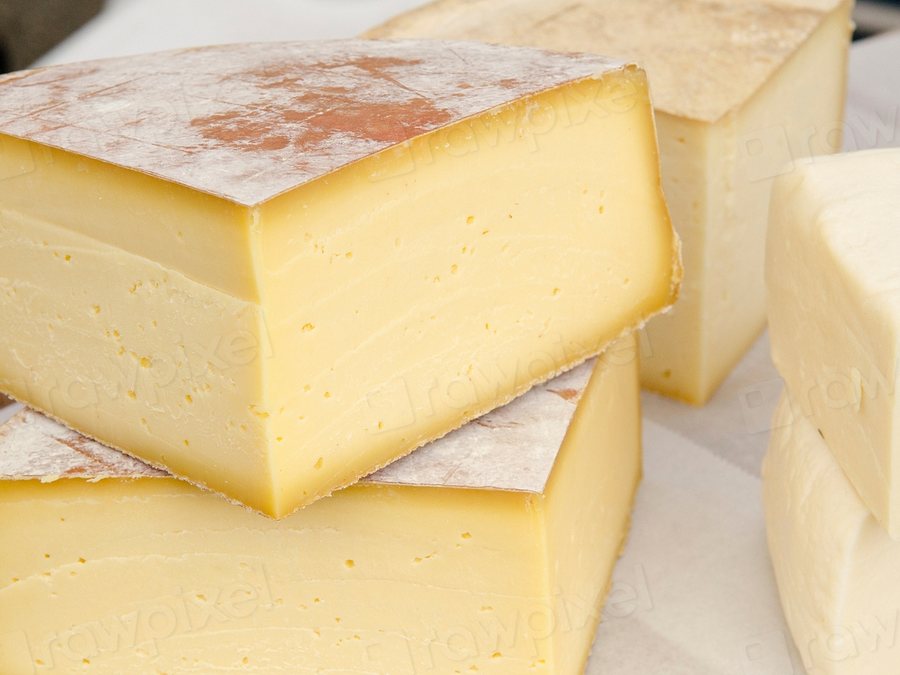
Cheese
Calcium, fat and protein in one — the trick is picking a low-salt one and cutting it right.
Grains
Pasta
Big shapes are easier than small ones — fusilli and penne beat spaghetti for a beginner.