 FirstNom
Grains
Polenta for babies
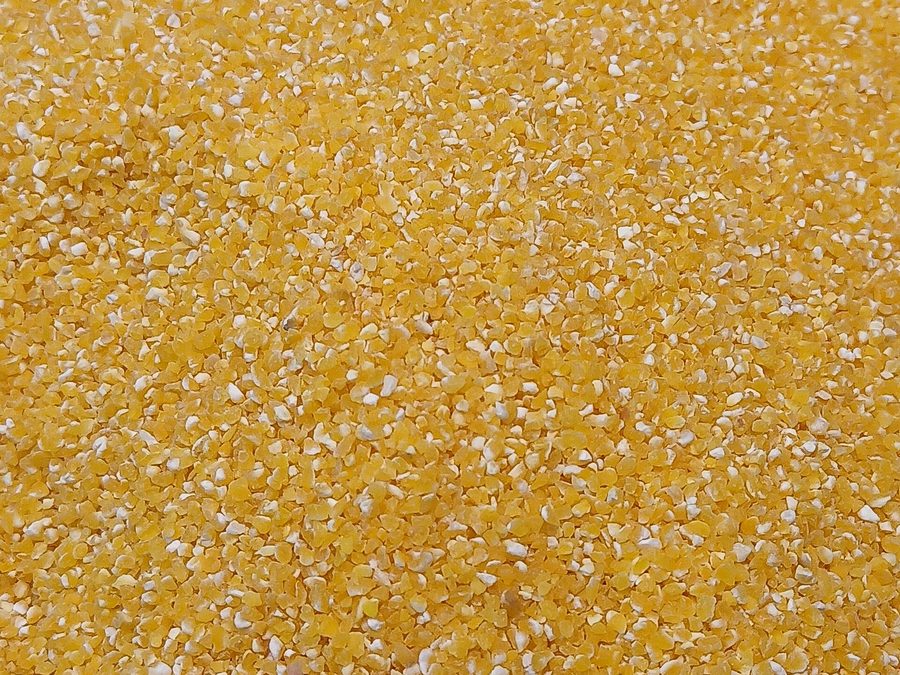
Polenta is one of the more versatile grains for a baby: soft as porridge when hot, and firm enough to cut into finger-strips once it has set.
When can babies have polenta?
From around 6 months. Polenta is naturally gluten-free and is a staple complementary food in Italy, the Balkans and much of Latin America under different names.
How do you serve polenta to a baby?
The shape is what makes a food safe, and it changes as your baby’s grip and chewing change. Find your baby’s age band.
-
6–8 months
Cook soft with water, milk or unsalted stock and serve warm on a pre-loaded spoon. Or pour into a tray, cool until set, and cut into finger-width strips.
-
9–11 months
Set polenta fingers, grilled or baked to firm the outside, or soft polenta with vegetables.
-
12–18 months
Polenta chips, soft polenta with sauce, or grilled slices.
-
18–24 months
Family portions. Watch the cheese and salt in traditional recipes.
Prep tip
Pour leftover soft polenta into a lined tray. Once set, it slices into perfect baby-sized fingers that grill or bake in ten minutes.
Storage
Set polenta keeps four days refrigerated. Soft polenta firms up as it cools — reheat with extra liquid.
Is polenta a choking hazard for babies?
Soft polenta is very low risk. Set polenta cut into strips is also fine — it is firm but yields easily. Serve warm rather than hot; polenta holds heat and can burn.
Whatever you serve, stay within arm’s reach, keep your baby upright in a supportive seat, and never let them eat in a moving car, buggy or carrier. Gagging is loud and normal. Choking is silent.
Is polenta a common allergen?
Polenta is not one of the nine most common food allergens. Any food can trigger a reaction, though, so offer it on its own the first time and watch for hives, vomiting, swelling or a change in breathing over the next two hours.
Is polenta healthy for babies?
Nutritionally straightforward — energy with some fibre. Its usefulness is that a single batch gives you two textures: soft polenta for a beginner and set polenta fingers for a baby practising self-feeding, without cooking twice.
| Carbohydrate | High |
|---|---|
| Fibre | Good source |
| Vitamin A (yellow corn) | Some |
| Iron (if fortified) | Some |
| Iron per serving | ~0.4 mg |
Common questions about polenta
Is polenta gluten-free?
Yes, it is corn. Check the packet for cross-contamination warnings if coeliac disease is a concern.
Instant or traditional polenta?
Both are fine. Instant is quicker and softer; traditional has more texture. For a baby, either works.
Guides for this food
Reference material
Guidance on this page follows the sources listed below.
Foods parents look at next
Vegetable
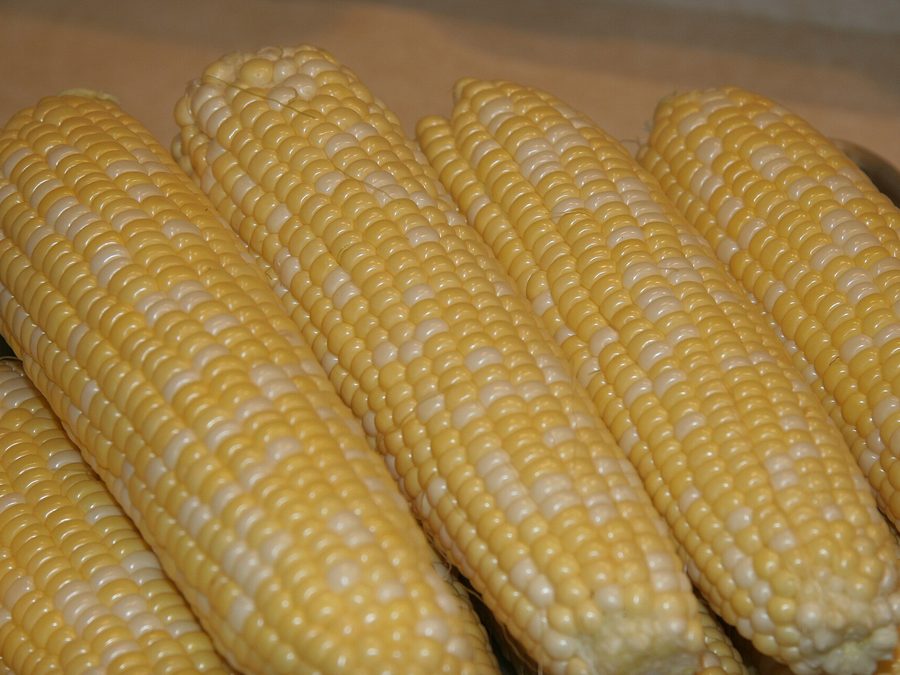
Corn
Loose kernels are a hazard; a cob section is one of the best hand-held foods there is.
Grains
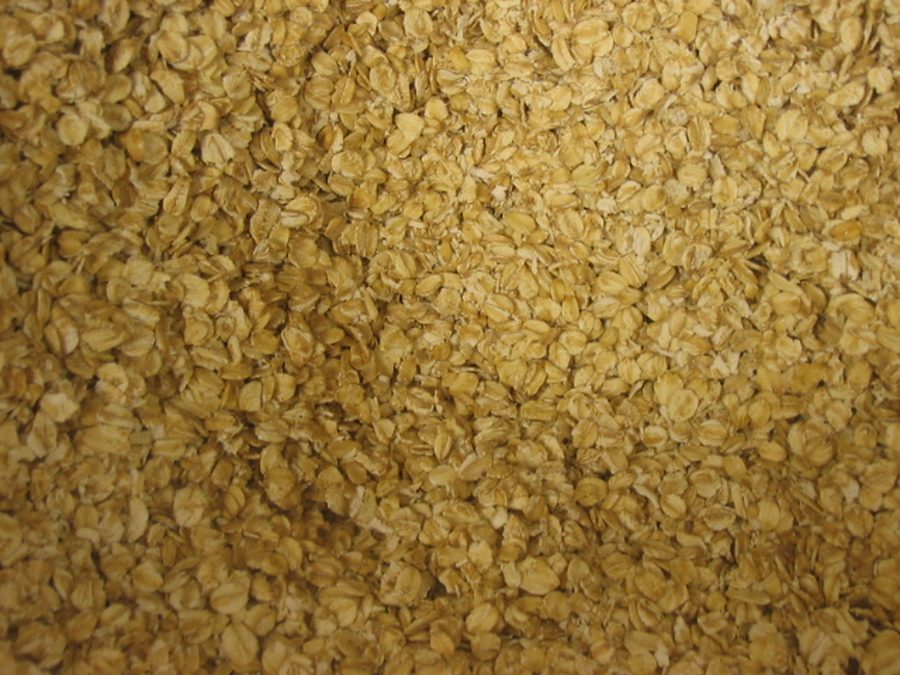
Oatmeal
An iron-fortified porridge is one of the simplest ways to hit a 6-month-old's iron target.

Grains
Millet
Gluten-free, iron-bearing and a complementary-feeding staple across much of the world.
Grains
Rice
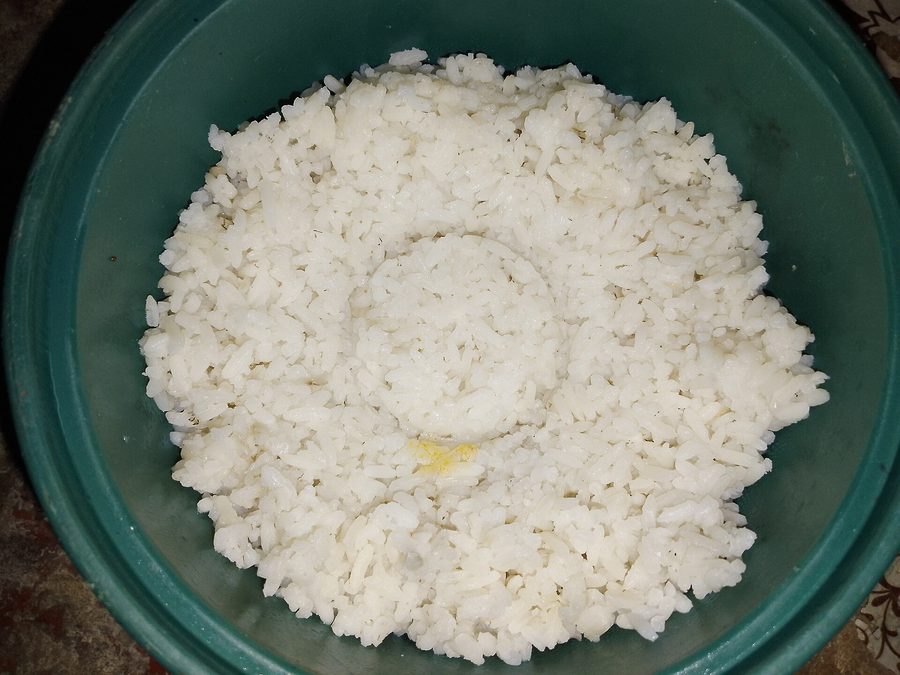
Perfectly fine for babies — as one grain among several, not the only one.