 FirstNom
Grains
Millet for babies
Millet is one of the most widely used infant grains globally and one of the least known in Western kitchens. Gluten-free, iron-bearing, and it cooks into a porridge or a fluffy grain depending on the water.

When can babies have millet?
From around 6 months, cooked soft. Millet porridge is a first complementary food across large parts of Africa and South Asia and is recognised in WHO complementary-feeding guidance.
How do you serve millet to a baby?
The shape is what makes a food safe, and it changes as your baby’s grip and chewing change. Find your baby’s age band.
-
6–8 months
Cook with roughly three parts water to one part millet until it collapses into a porridge. Serve on a pre-loaded spoon or spread thickly on toast.
-
9–11 months
Firmer cooked millet mixed with vegetable or dal, or pressed into patties.
-
12–18 months
Millet as a side grain, in a pilaf, or as a breakfast porridge.
-
18–24 months
Family portions.
Prep tip
Toasting dry millet in a pan for two minutes before adding water gives it a nutty flavour and stops it going gluey.
Storage
Cooked millet keeps three days refrigerated and firms up considerably — loosen with water when reheating.
Is millet a choking hazard for babies?
Cooked millet is soft and low risk. The grains are tiny and need binding for a baby who cannot yet pinch. Cook with plenty of water to a porridge consistency for the youngest babies.
Whatever you serve, stay within arm’s reach, keep your baby upright in a supportive seat, and never let them eat in a moving car, buggy or carrier. Gagging is loud and normal. Choking is silent.
Is millet a common allergen?
Millet is not one of the nine most common food allergens. Any food can trigger a reaction, though, so offer it on its own the first time and watch for hives, vomiting, swelling or a change in breathing over the next two hours.
Is millet healthy for babies?
Millet carries more iron and magnesium than rice and is naturally gluten-free, which makes it a useful grain to rotate in — particularly for families varying away from rice because of arsenic. Serve with a vitamin C food to improve iron absorption.
| Iron (non-heme) | High |
|---|---|
| Magnesium | Very high |
| Phosphorus | High |
| B vitamins | Good source |
| Protein | Good source |
| Iron per serving | ~1 mg |
Common questions about millet
Is millet gluten-free?
Yes, naturally. Check the packet for cross-contamination warnings if coeliac disease is a concern in your family.
Millet or oats for a baby?
Oats if you want the fortified iron of infant cereal; millet if you want a naturally iron-bearing, gluten-free grain. Rotating both is better than either alone.
Guides for this food
Reference material
Guidance on this page follows the sources listed below.
Foods parents look at next
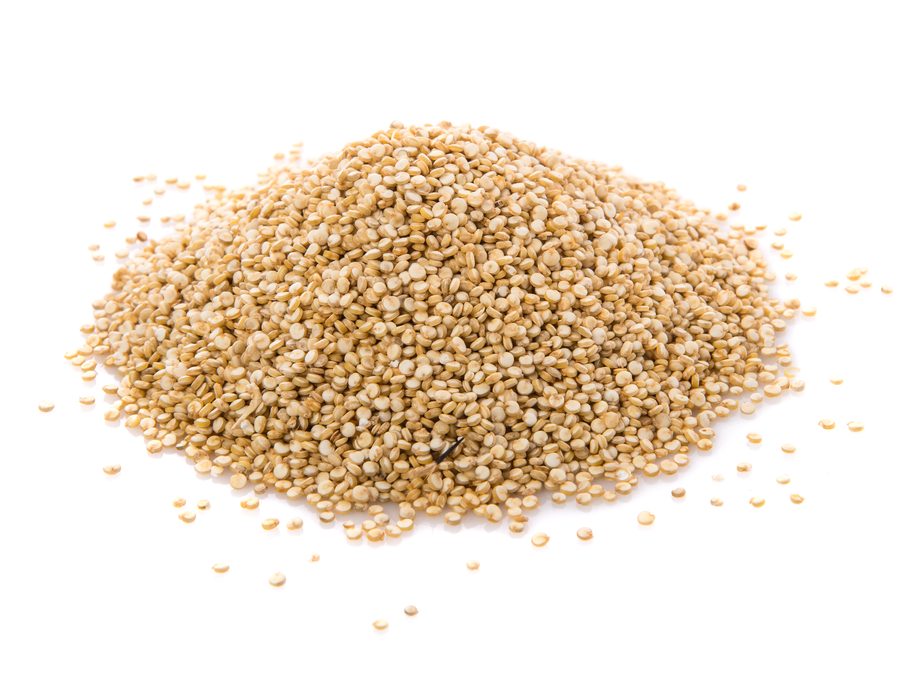
Grains
Quinoa
A complete plant protein with real iron — and a rinse step you should not skip.
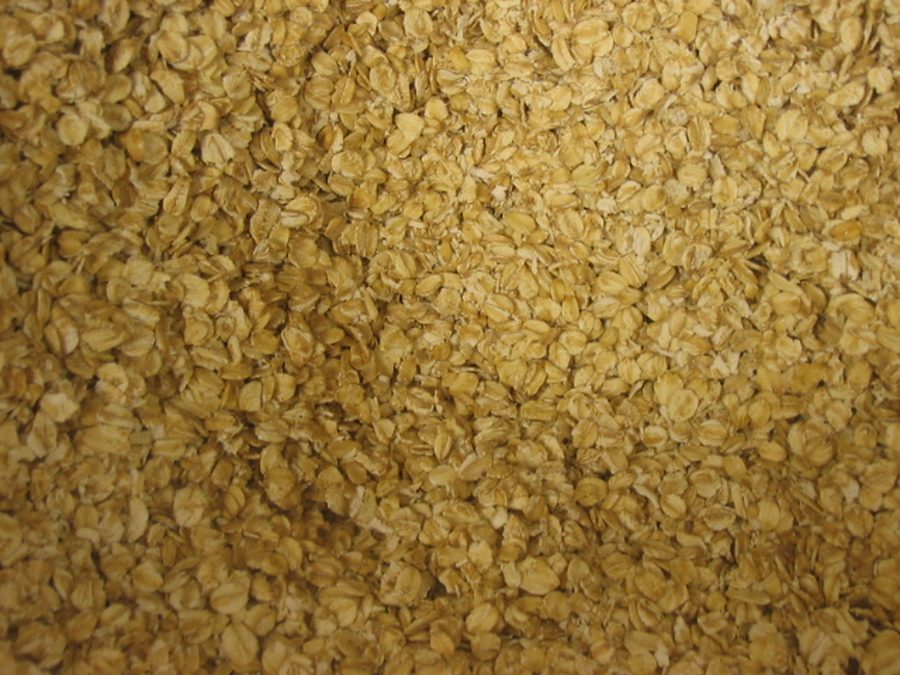
Grains
Oatmeal
An iron-fortified porridge is one of the simplest ways to hit a 6-month-old's iron target.
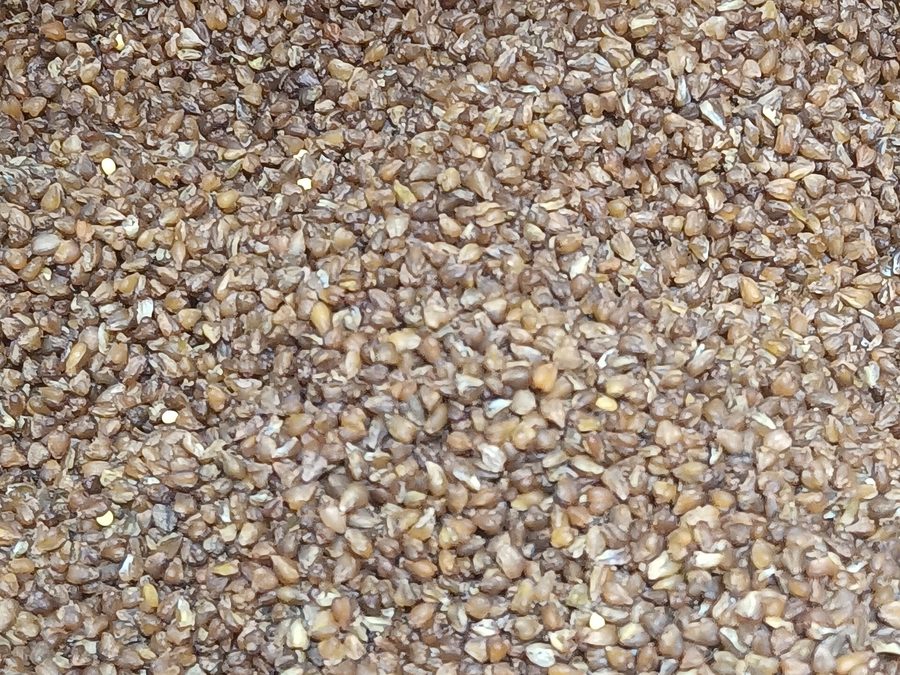
Grains
Buckwheat
Not wheat at all — gluten-free, high in iron, and a complete protein.
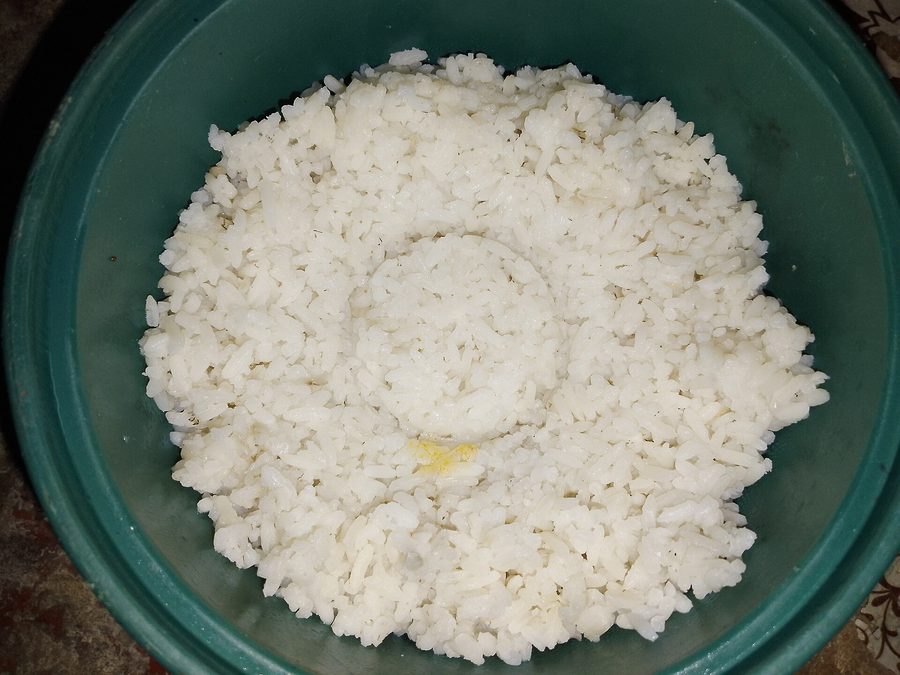
Grains
Rice
Perfectly fine for babies — as one grain among several, not the only one.