 FirstNom
Grains
Bread for babies
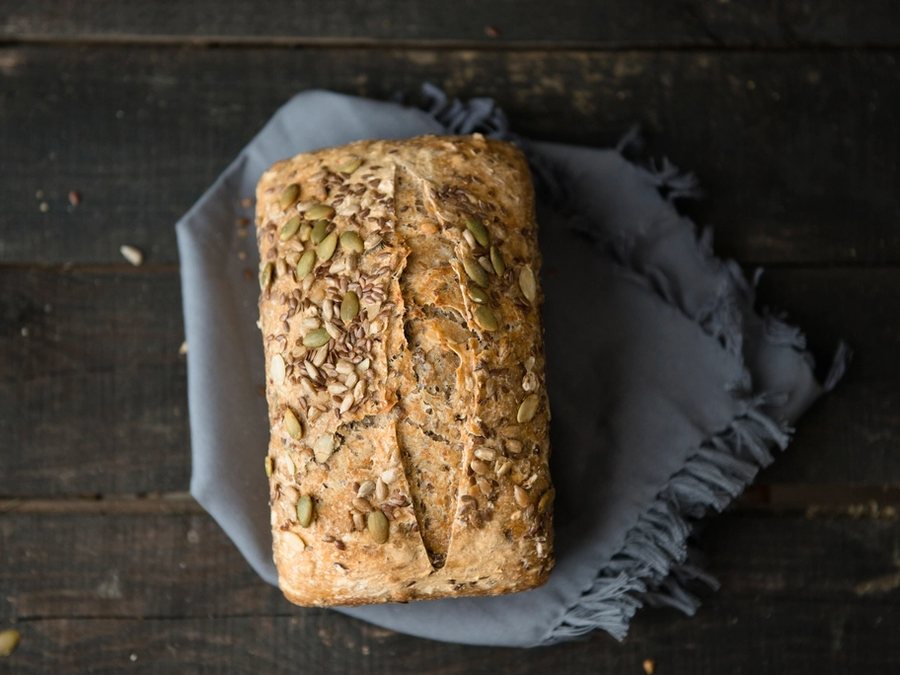
Bread introduces wheat, one of the nine common allergens, and it makes an excellent vehicle for everything else. Toast it: fresh soft bread compresses into a gummy ball.
When can babies have bread?
From around 6 months, lightly toasted, as one of your early allergen introductions. Choose a lower-salt loaf where you can — bread is one of the largest sources of salt in a typical diet and a baby's limit is under 1 g a day.
How do you serve bread to a baby?
The shape is what makes a food safe, and it changes as your baby’s grip and chewing change. Find your baby’s age band.
-
6–8 months
Toast lightly, cut off the crusts if they are hard, and cut into finger-width strips. Spread thinly with something soft — avocado, thinned nut butter, hummus, cream cheese.
-
9–11 months
Toast fingers or small pieces. Crusts are fine now if they are not rock-hard.
-
12–18 months
Toast, sandwiches cut into strips, bread as part of a meal. Watch total salt across the day.
-
18–24 months
Bread as the family eats it. Wholemeal or seeded is fine.
Prep tip
Toast, then let it cool and firm up for a minute. Warm toast is floppier than it looks and can still ball up.
Storage
Bread freezes well sliced — toast straight from frozen, which is often the easiest way to serve a single portion.
Is bread a choking hazard for babies?
Soft fresh bread is the problem, not toast. Untoasted white bread compresses into a dense, sticky wad that can block a small airway — toasting dries it out and it breaks up instead. Serve toast fingers rather than squares, and go easy on very seedy or crusty loaves in the first year.
Whatever you serve, stay within arm’s reach, keep your baby upright in a supportive seat, and never let them eat in a moving car, buggy or carrier. Gagging is loud and normal. Choking is silent.
Is bread a common allergen?
Wheat is one of the nine common allergens. Wheat allergy is distinct from coeliac disease, which is an autoimmune reaction to gluten rather than an allergy. Introduce wheat around 6 months as you would any other allergen — small amount, on its own, at home, earlier in the day. Current guidance does not support delaying gluten to prevent coeliac disease, and delaying past 12 months is not recommended.
Is bread healthy for babies?
In many countries bread flour is fortified with iron and B vitamins, which makes toast a quietly useful iron contributor. Wholemeal adds fibre. Its bigger role, though, is as a carrier: a strip of toast is the easiest way to serve peanut butter, mashed avocado, hummus or scrambled egg to a baby who cannot yet use a spoon.
| Carbohydrate | High |
|---|---|
| Iron (often fortified) | Good source |
| B vitamins | Good source |
| Fibre (wholemeal) | Good source |
| Sodium | Moderate — check the label |
| Iron per serving | ~0.9 mg |
Common questions about bread
Should I delay gluten to prevent coeliac disease?
No. Large trials found that delaying gluten does not prevent coeliac disease, and current European guidance recommends introducing it any time between 4 and 12 months as part of a normal diet. Avoid unusually large amounts in the first weeks.
How much salt is in bread?
More than most people expect — often 0.4–0.5 g per slice, against a daily limit of under 1 g for an under-1. A strip or two is fine; toast at every meal adds up. Look for reduced-salt loaves.
Guides for this food
Reference material
Guidance on this page follows the sources listed below.
Foods parents look at next
Grains
Pasta
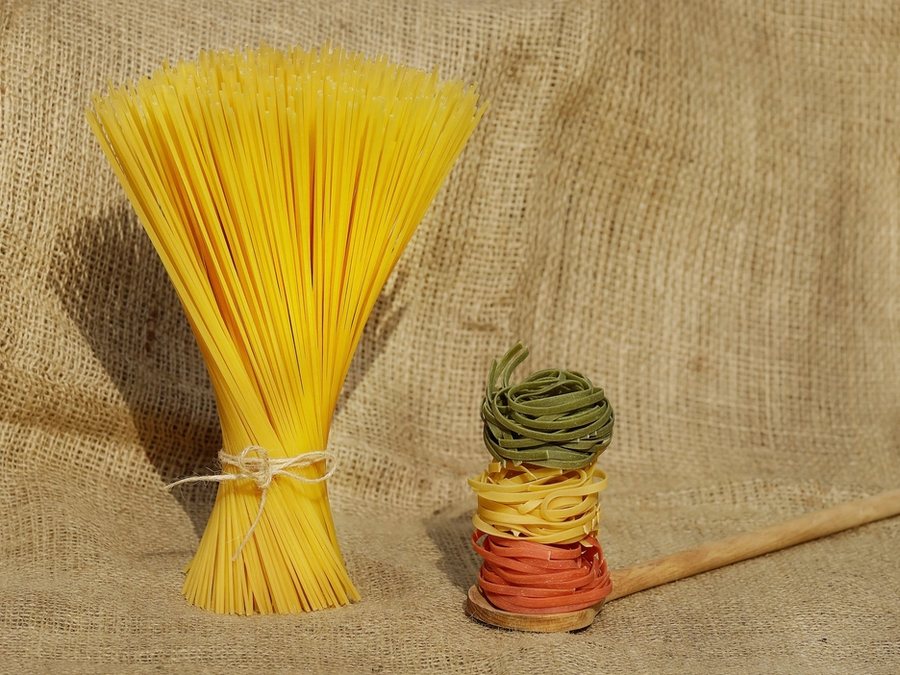
Big shapes are easier than small ones — fusilli and penne beat spaghetti for a beginner.
Grains
Oatmeal
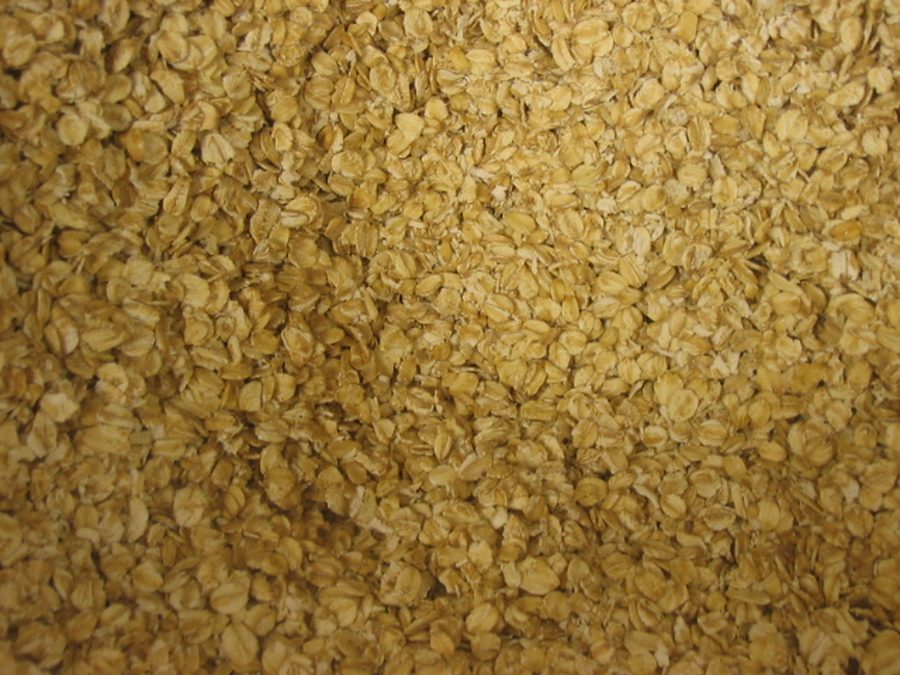
An iron-fortified porridge is one of the simplest ways to hit a 6-month-old's iron target.
Grains
Crackers
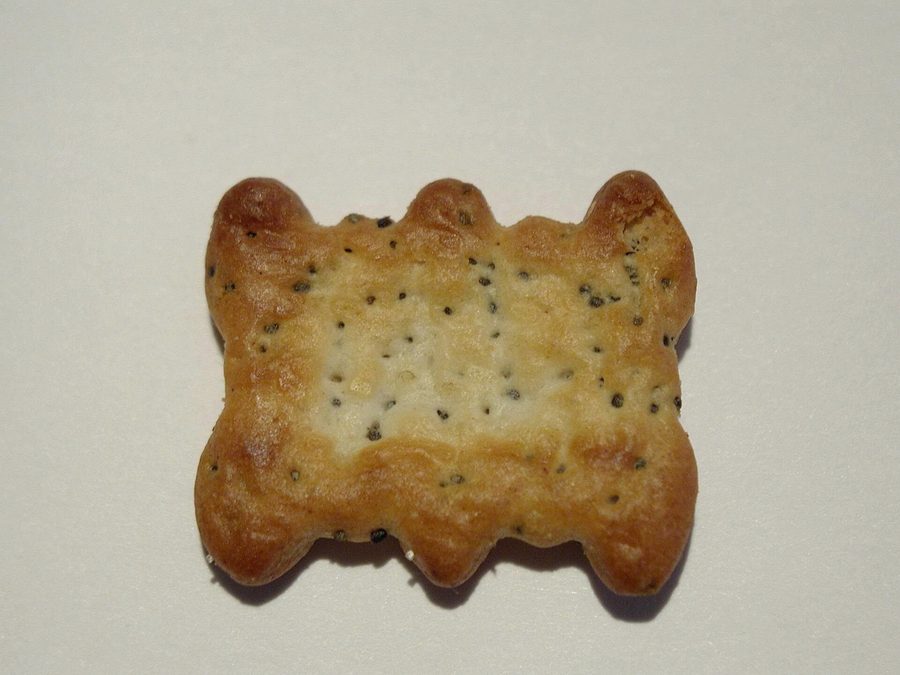
Convenient, usually salty, and drier than they look — read the label.
Grains
Tortilla
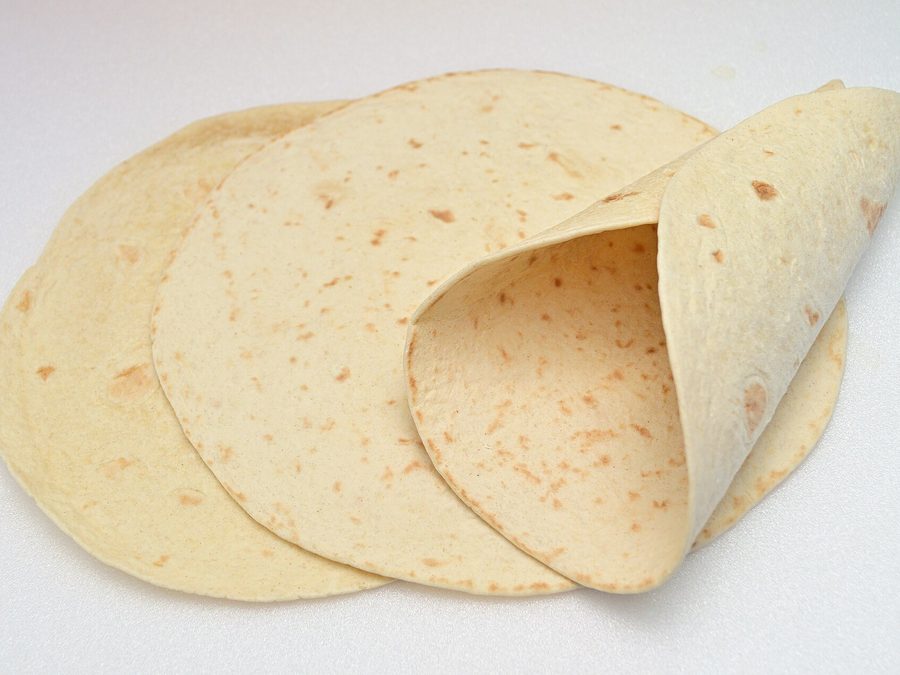
Corn or wheat, cut into strips — a soft, foldable vehicle for everything else.