 FirstNom
Nuts & seeds
Chia seeds for babies
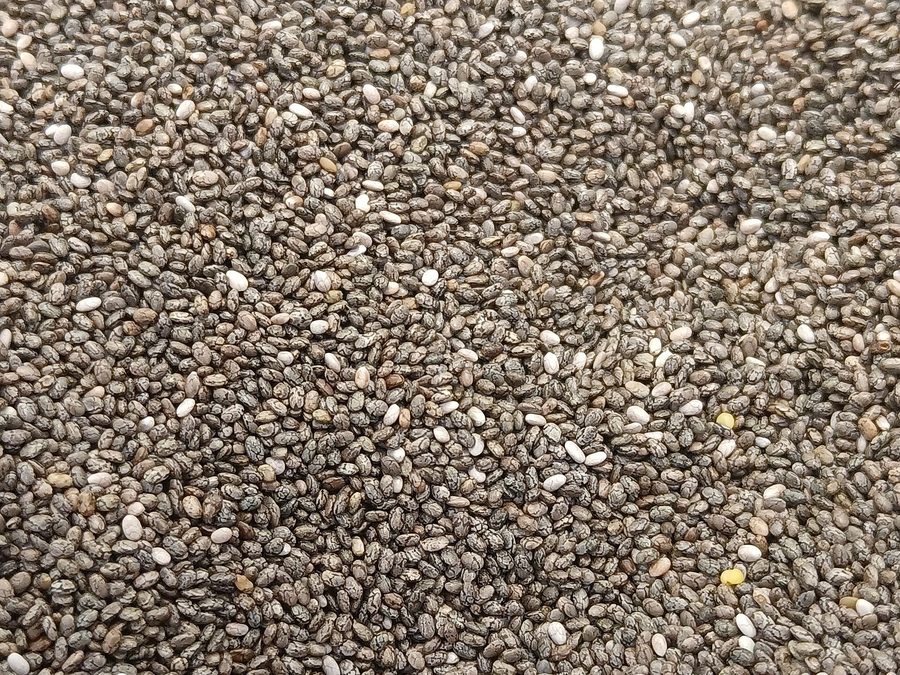
Chia seeds absorb many times their weight in liquid. Soaked, they are a soft gel and a good omega-3 source. Dry, they are a genuine hazard.
When can babies have chia seeds?
From around 6 months, soaked into a gel or stirred into a wet food and left to swell. Chia is not a common allergen.
How do you serve chia seeds to a baby?
The shape is what makes a food safe, and it changes as your baby’s grip and chewing change. Find your baby’s age band.
-
6–8 months
Stir a teaspoon into porridge, yogurt or purée and leave for 15 minutes until it gels. Or make a chia pudding with milk and mashed fruit.
-
9–11 months
In porridge, yogurt or chia pudding.
-
12–18 months
Chia pudding, stirred into yogurt, or in baking.
-
18–24 months
As the family eats them, always hydrated.
Prep tip
A tablespoon of chia into your baby's porridge, left for fifteen minutes, adds omega-3, calcium and iron with no change in flavour. It is the cheapest nutritional upgrade here.
Storage
Dry chia keeps two years sealed. Soaked chia keeps five days refrigerated and thickens further.
Is chia seeds a choking hazard for babies?
Dry chia seeds absorb liquid and swell substantially. Eaten dry they can expand in the oesophagus, and there are documented cases of this causing an obstruction in adults. Always soak chia for at least 15 minutes before serving, until it forms a gel. Never serve dry chia to a child.
Whatever you serve, stay within arm’s reach, keep your baby upright in a supportive seat, and never let them eat in a moving car, buggy or carrier. Gagging is loud and normal. Choking is silent.
Is chia seeds a common allergen?
Chia seeds is not one of the nine most common food allergens. Any food can trigger a reaction, though, so offer it on its own the first time and watch for hives, vomiting, swelling or a change in breathing over the next two hours.
Is chia seeds healthy for babies?
Chia carries more ALA omega-3 by weight than almost any other food, along with a lot of calcium, iron and fibre. A tablespoon soaked into porridge or yogurt adds real nutrition to a food a baby already eats — one of the easiest wins in the whole database.
| Omega-3 (ALA) | Extremely high |
|---|---|
| Fibre | Extremely high |
| Calcium | High |
| Iron (non-heme) | High |
| Magnesium | High |
| Iron per serving | ~1 mg |
Common questions about chia seeds
Why must chia be soaked?
It absorbs many times its weight in liquid and swells. Eaten dry with a drink it can expand in the oesophagus — a documented cause of obstruction. Fifteen minutes in liquid removes the risk entirely.
How much chia can a baby have?
A teaspoon a day is plenty. It is very high in fibre, and too much can be uncomfortable in a small gut.
Guides for this food
Reference material
Guidance on this page follows the sources listed below.
Foods parents look at next
Nuts & seeds
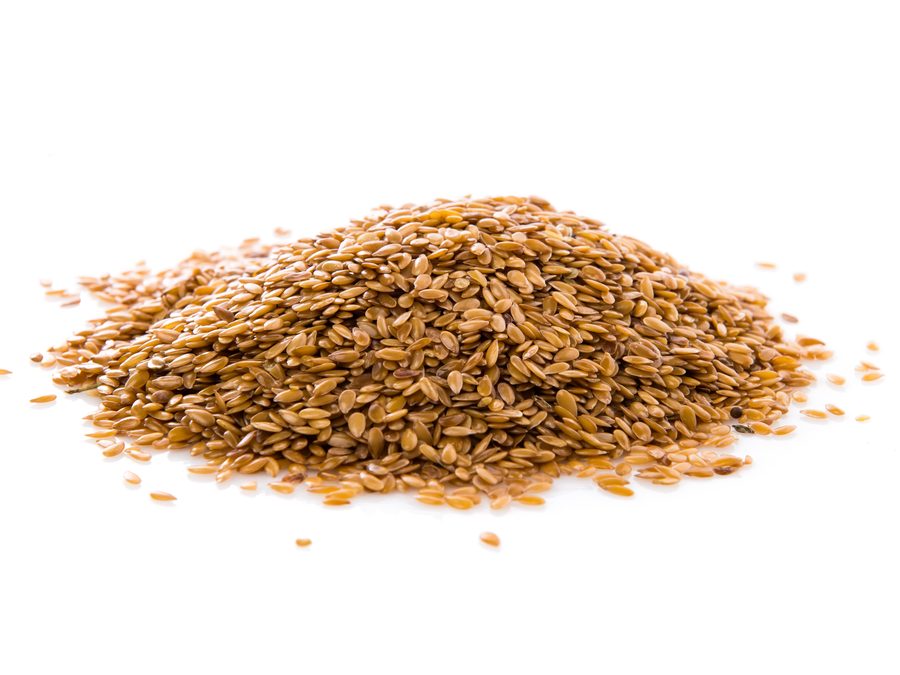
Flaxseed
Only useful ground — whole flaxseed passes straight through.
Nuts & seeds
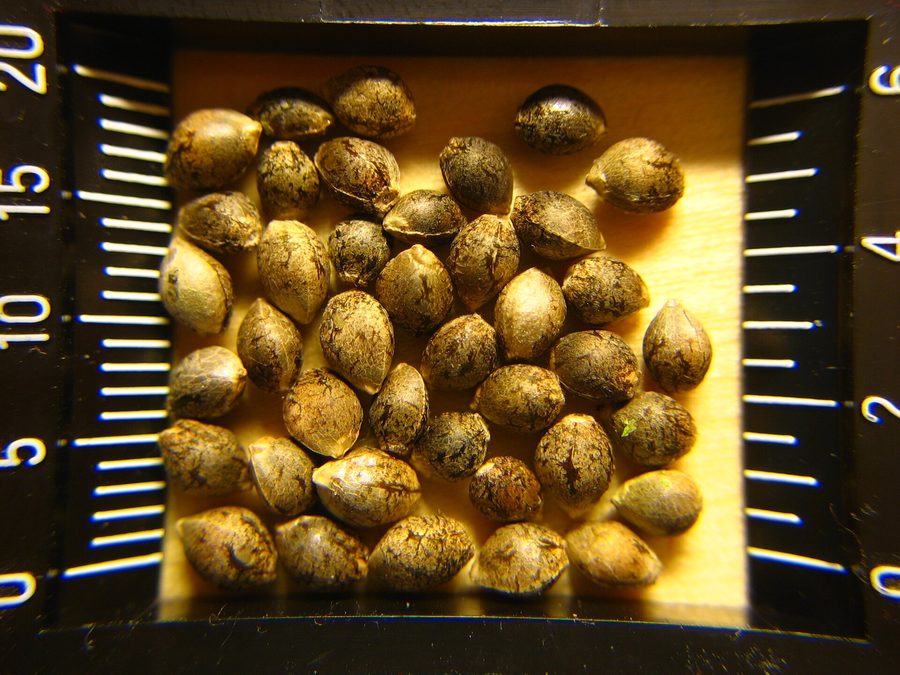
Hemp seeds
Soft enough to serve as they are, and one of the better plant proteins.
Grains
Oatmeal
An iron-fortified porridge is one of the simplest ways to hit a 6-month-old's iron target.
Dairy & eggs
Yogurt
Plain whole-milk yogurt is fine from 6 months — long before cow's milk as a drink.