 FirstNom
Dairy & eggs
Goat cheese for babies
Goat cheese is a perfectly good food, but it is not a safe substitute for a baby with cow's milk allergy. The proteins are similar enough that most children react to both.
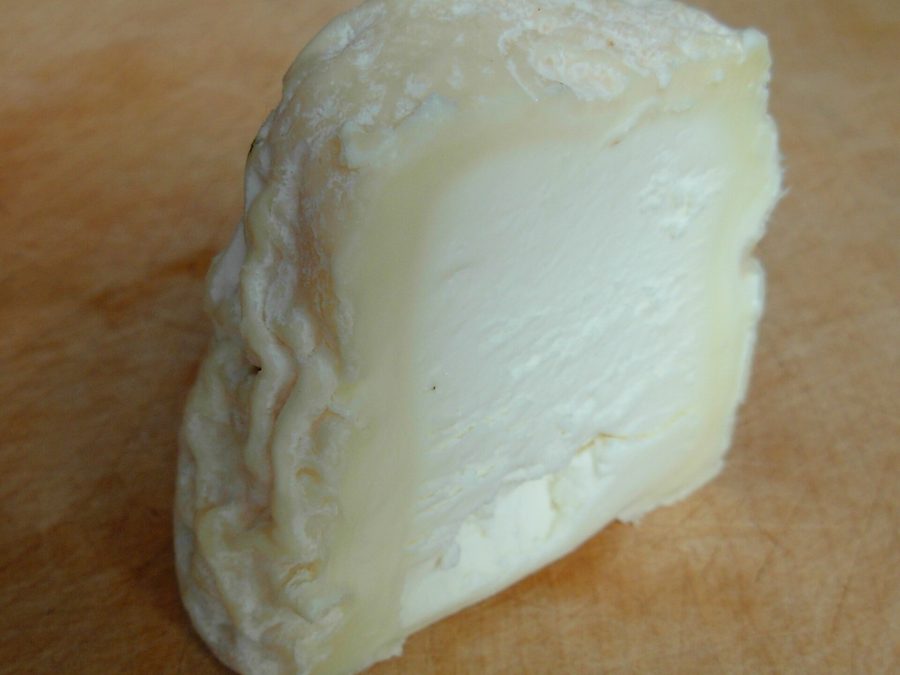
When can babies have goat cheese?
From around 6 months, pasteurised and full-fat. Soft mould-ripened goat cheeses should wait until 12 months, like other mould-ripened cheeses, because of listeria risk.
How do you serve goat cheese to a baby?
The shape is what makes a food safe, and it changes as your baby’s grip and chewing change. Find your baby’s age band.
-
6–8 months
Soft goat cheese spread thinly on toast fingers, or crumbled into mashed vegetable.
-
9–11 months
Crumbled or spread. Grated if hard.
-
12–18 months
Spread, crumbled, or melted into dishes.
-
18–24 months
As the family eats it.
Prep tip
Goat cheese is stronger than cow's cheese. Mixing a small amount into a familiar mashed vegetable is a gentler introduction than serving it alone.
Storage
Soft goat cheese keeps a week refrigerated. Hard versions keep considerably longer.
Is goat cheese a choking hazard for babies?
Soft goat cheese is spreadable and low risk. Hard aged goat cheese should be grated rather than cubed, like any firm cheese.
Whatever you serve, stay within arm’s reach, keep your baby upright in a supportive seat, and never let them eat in a moving car, buggy or carrier. Gagging is loud and normal. Choking is silent.
Is goat cheese a common allergen?
Goat's milk proteins are structurally similar to cow's milk proteins, and most children with cow's milk protein allergy react to goat and sheep dairy as well — cross-reactivity is reported at over 90%. Goat dairy is not a substitute in milk allergy. Speak to your pediatrician or allergist rather than switching on your own.
Is goat cheese healthy for babies?
Nutritionally similar to cow's cheese — good calcium, protein and fat. Its fat globules are smaller, which some people find easier to digest, though the evidence for a meaningful difference in babies is limited. The flavour is stronger, which some babies take to readily.
| Calcium | High |
|---|---|
| Protein | High |
| Fat | High |
| Vitamin A | Good source |
| Sodium | Moderate to high |
| Iron per serving | ~0.2 mg |
Common questions about goat cheese
Can my milk-allergic baby have goat cheese?
Almost certainly not. Cross-reactivity between cow and goat milk proteins is very high — over 90% in reported series. This is a conversation for your allergist, not a substitution to try at home.
Is goat cheese easier to digest?
Its fat globules are smaller and it is slightly lower in lactose, which some people find gentler. There is no strong evidence of a meaningful difference for babies.
Guides for this food
Reference material
Guidance on this page follows the sources listed below.
Foods parents look at next
Dairy & eggs
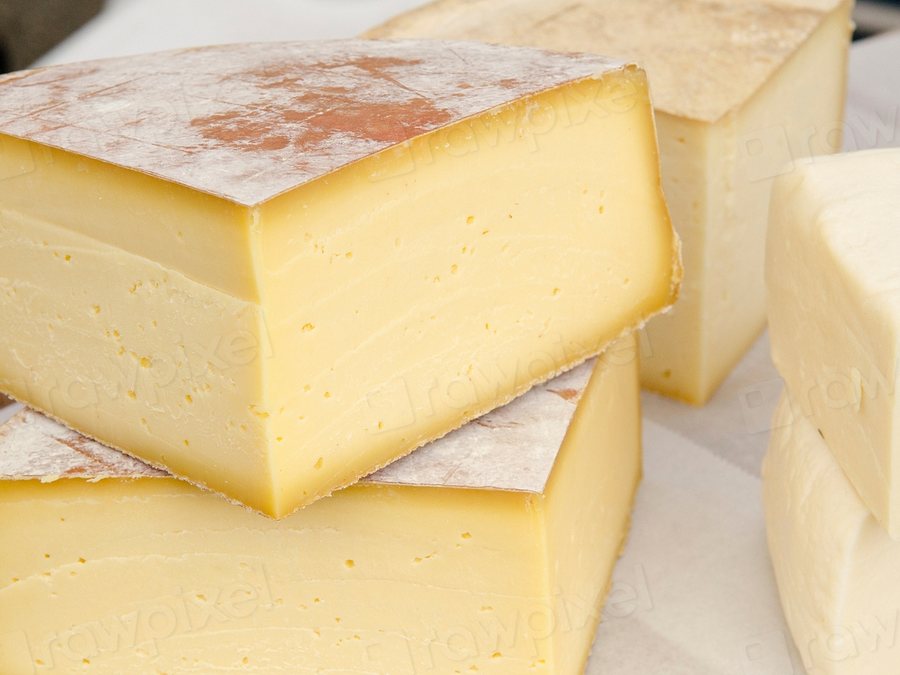
Cheese
Calcium, fat and protein in one — the trick is picking a low-salt one and cutting it right.

Dairy & eggs
Goat milk
Not a safe alternative in cow's milk allergy, and low in folate.
Dairy & eggs
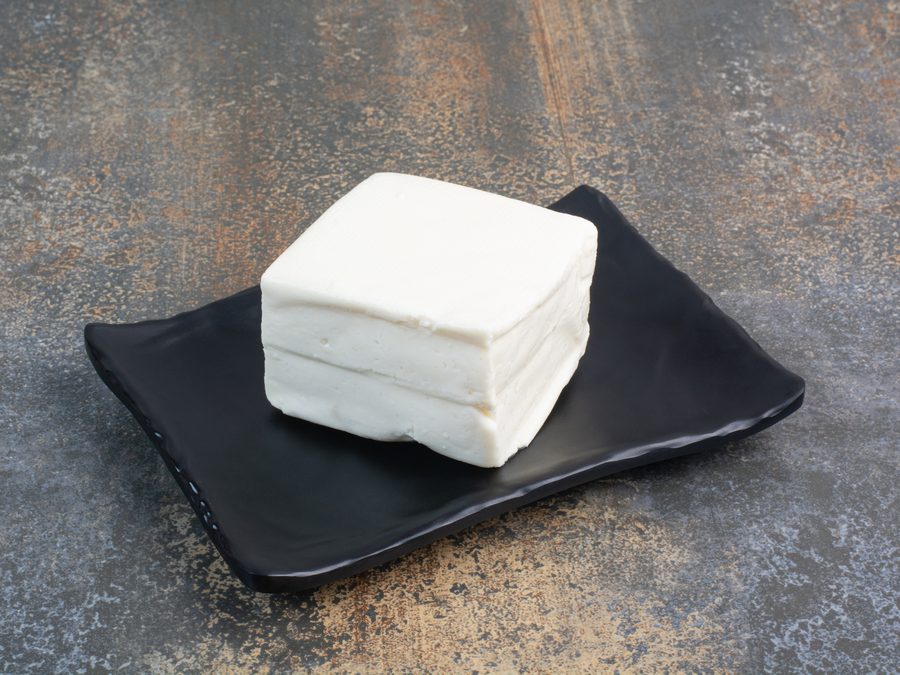
Cream cheese
Soft, spreadable and lower in salt than hard cheese — a good toast partner.
Dairy & eggs
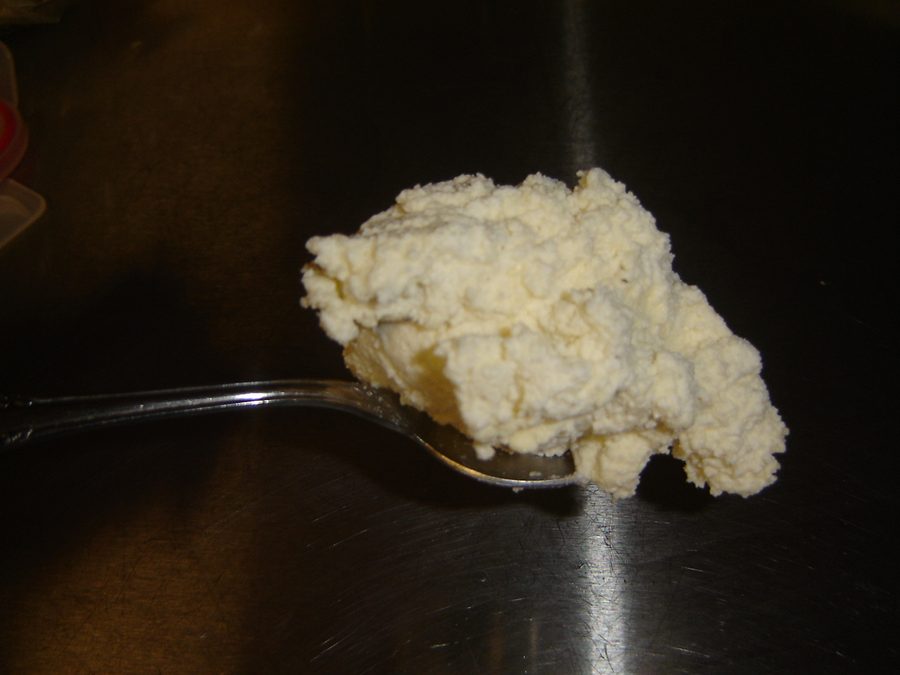
Ricotta
One of the lowest-salt cheeses, high in protein and soft enough to spoon.