 FirstNom
Dairy & eggs
Cream cheese for babies
Cream cheese solves the practical problem of hard cheese: no cutting, no cubes, and less salt. It also makes dry foods manageable.
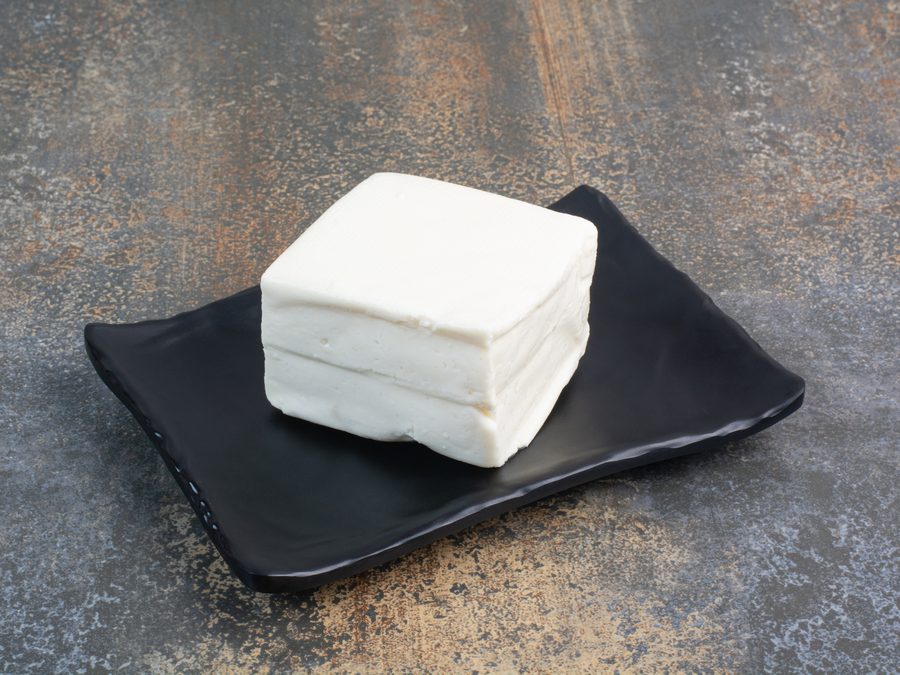
When can babies have cream cheese?
From around 6 months, full-fat and plain. Pasteurised only — check the label on artisan versions.
How do you serve cream cheese to a baby?
The shape is what makes a food safe, and it changes as your baby’s grip and chewing change. Find your baby’s age band.
-
6–8 months
Spread thinly on toast fingers, or stirred into mashed vegetable to add fat and moisture.
-
9–11 months
On toast, crackers or as a dip for soft vegetable batons.
-
12–18 months
On bagels, toast, in sandwiches, or stirred into pasta as a quick sauce.
-
18–24 months
As the family eats it.
Prep tip
A spoonful of cream cheese stirred into a vegetable purée adds fat and makes it stick to a spoon — two problems solved at once.
Storage
Refrigerate and use within the date. It does not freeze well.
Is cream cheese a choking hazard for babies?
No choking risk. Spread thinly rather than in a thick blob, which can be sticky in the mouth like nut butter.
Whatever you serve, stay within arm’s reach, keep your baby upright in a supportive seat, and never let them eat in a moving car, buggy or carrier. Gagging is loud and normal. Choking is silent.
Is cream cheese a common allergen?
Cream cheese is a milk product and milk is one of the nine common allergens. If yogurt or cheese has already gone down without a problem, this is very unlikely to cause one.
Is cream cheese healthy for babies?
Cream cheese is calorie-dense, which helps a baby eating small volumes, and it turns dry foods into manageable ones — a strip of toast with cream cheese is far easier than plain toast. Its calcium and protein content is lower than yogurt or hard cheese, so treat it as a fat and a vehicle rather than a dairy staple.
| Fat | High |
|---|---|
| Calcium | Some |
| Protein | Some |
| Vitamin A | Good source |
| Iron per serving | ~0.1 mg |
Common questions about cream cheese
Is cream cheese lower in salt than cheddar?
Usually about half, though it varies by brand. Check the label — flavoured versions are often much saltier.
Full-fat or light?
Full-fat under 2 years. Light versions add nothing a baby needs and often add stabilisers.
Guides for this food
Reference material
Guidance on this page follows the sources listed below.
Foods parents look at next
Dairy & eggs
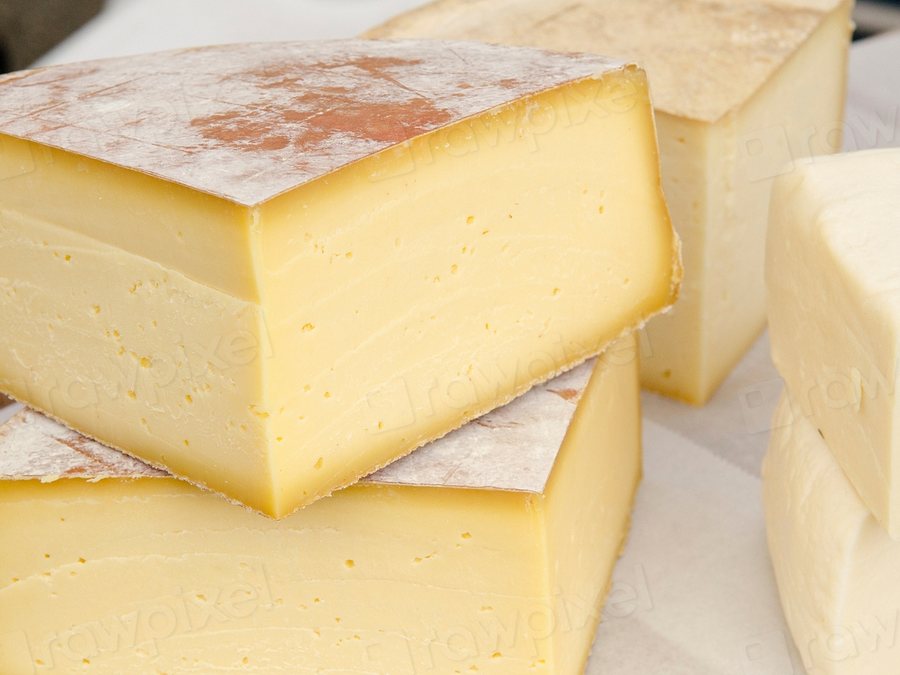
Cheese
Calcium, fat and protein in one — the trick is picking a low-salt one and cutting it right.
Dairy & eggs
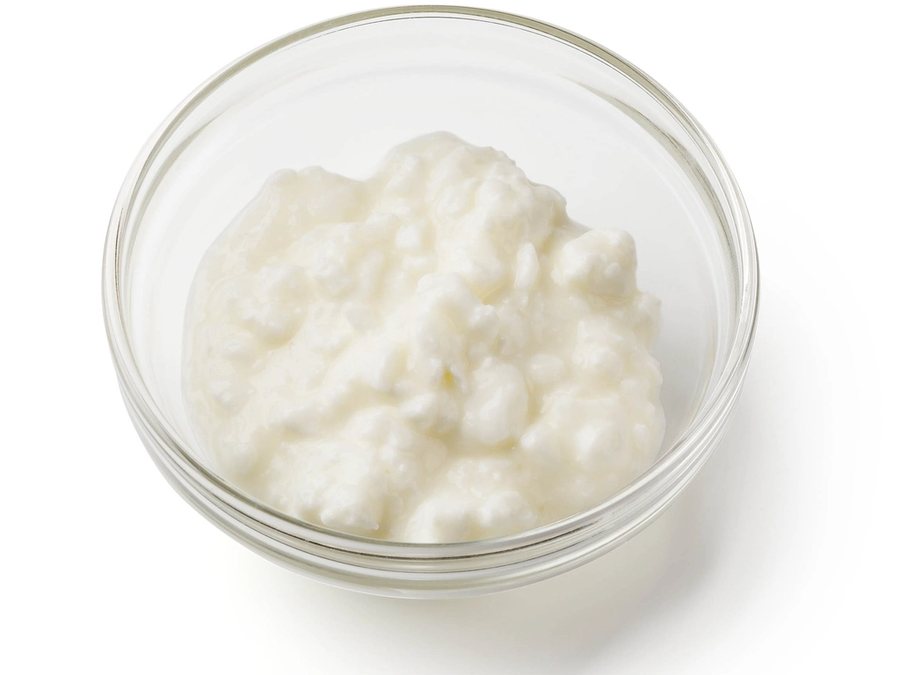
Cottage cheese
Soft, high in protein and much lower in salt than hard cheese.
Dairy & eggs
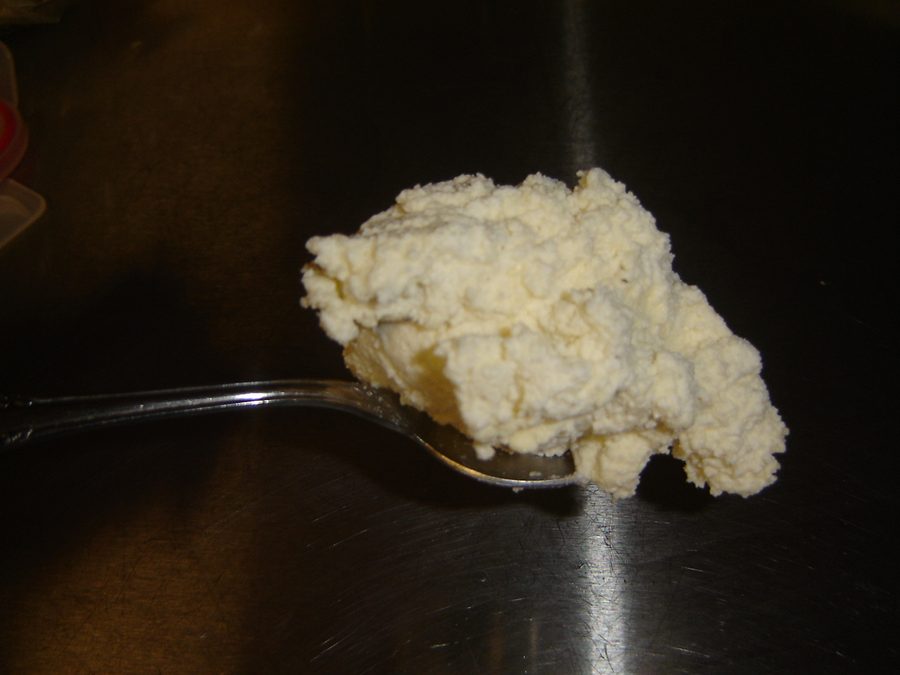
Ricotta
One of the lowest-salt cheeses, high in protein and soft enough to spoon.
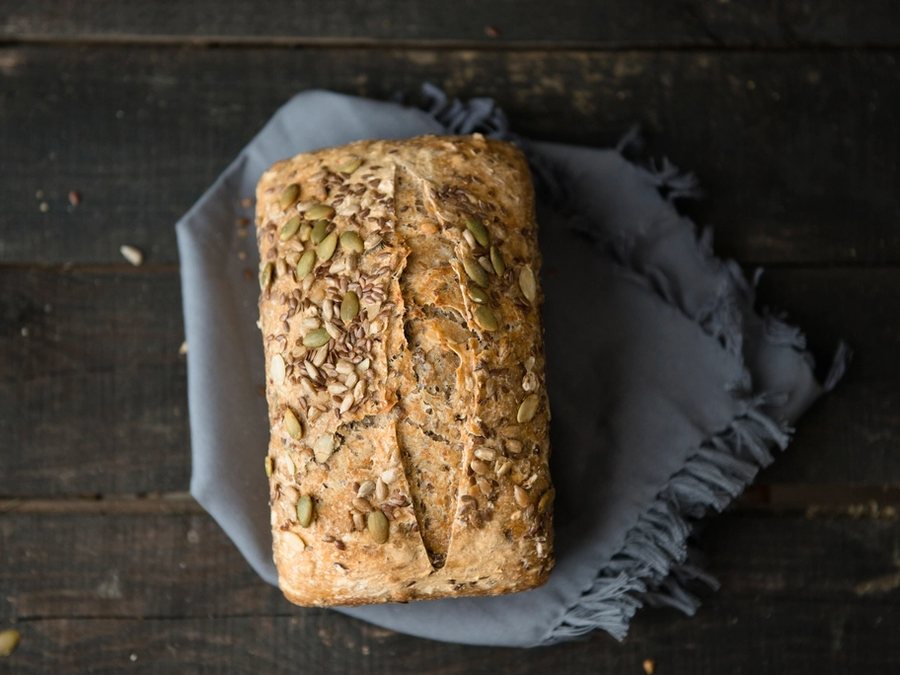
Grains
Bread
The easiest way to introduce wheat — toast it, because soft bread balls up in the mouth.