 FirstNom
Meat & fish
Pork for babies
Pork is a fine early meat as long as you choose a cut that goes soft. Shoulder, slow-cooked and shredded, works; a grilled chop does not.
When can babies have pork?
From around 6 months, well cooked and in a soft form. Pork carries more thiamin than any other common meat and is a solid protein and zinc source.
How do you serve pork to a baby?
The shape is what makes a food safe, and it changes as your baby’s grip and chewing change. Find your baby’s age band.
-
6–8 months
Slow-cooked pork shoulder shredded very finely and moistened with its cooking juices, or minced pork cooked in a sauce and mixed with mashed vegetable.
-
9–11 months
Shredded pork, small soft meatballs, or minced pork in a sauce.
-
12–18 months
Shredded pulled pork (no sauce with added salt or sugar), meatballs, or thin slices cut across the grain.
-
18–24 months
Family portions cut small. Bacon, ham and sausages stay occasional at most.
Prep tip
Pork shoulder cooked low and slow for three hours falls apart into shreds. It is the single easiest pork texture for a baby, and it freezes in portions.
Storage
Cook pork to at least 63 °C / 145 °F with a rest, or 71 °C / 160 °F for mince. Cooked pork keeps two to three days refrigerated.
Is pork a choking hazard for babies?
Lean pork chops and loin cook dry and firm — the worst texture for a baby. Slow-cooked shoulder or minced pork is the right call. Avoid firm bite-sized cubes in the first year and never give a bone.
Whatever you serve, stay within arm’s reach, keep your baby upright in a supportive seat, and never let them eat in a moving car, buggy or carrier. Gagging is loud and normal. Choking is silent.
Is pork a common allergen?
Pork is not one of the nine most common food allergens. Any food can trigger a reaction, though, so offer it on its own the first time and watch for hives, vomiting, swelling or a change in breathing over the next two hours.
Is pork healthy for babies?
Pork's standout nutrient is thiamin, and it is a good source of zinc, B12 and selenium. Its iron content sits between chicken and beef. The main practical consideration is fat and salt: cured pork — bacon, ham, sausage, chorizo — is a different food entirely and is far too salty for a baby.
| Protein | Very high |
|---|---|
| Thiamin (B1) | Very high |
| Vitamin B12 | Good source |
| Zinc | Good source |
| Selenium | High |
| Iron per serving | ~0.7 mg |
Common questions about pork
Can babies eat bacon, ham or sausages?
Best avoided under 12 months and kept occasional after. Processed and cured pork is extremely high in salt — a single rasher of bacon can approach a baby's entire daily limit — and often high in nitrates.
Does pork need to be cooked more than beef?
It needs to be cooked through, yes — no pink for a baby. Modern pork is safe at 63 °C with a rest for adults, but for infants, cook it fully.
Guides for this food
Reference material
Guidance on this page follows the sources listed below.
Foods parents look at next
Meat & fish
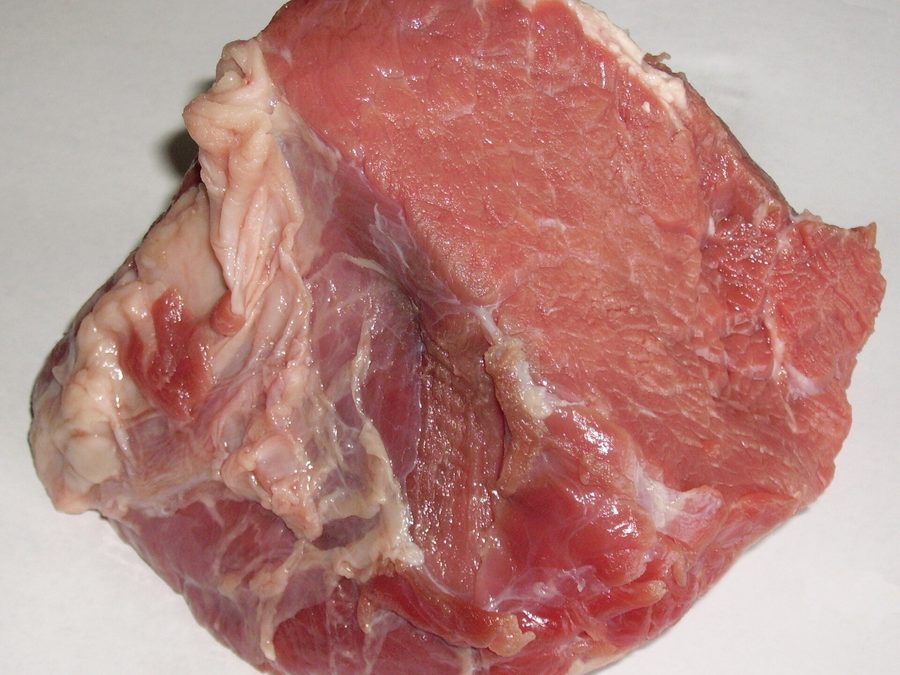
Beef
The single best food for closing the iron gap that opens at 6 months.
Meat & fish
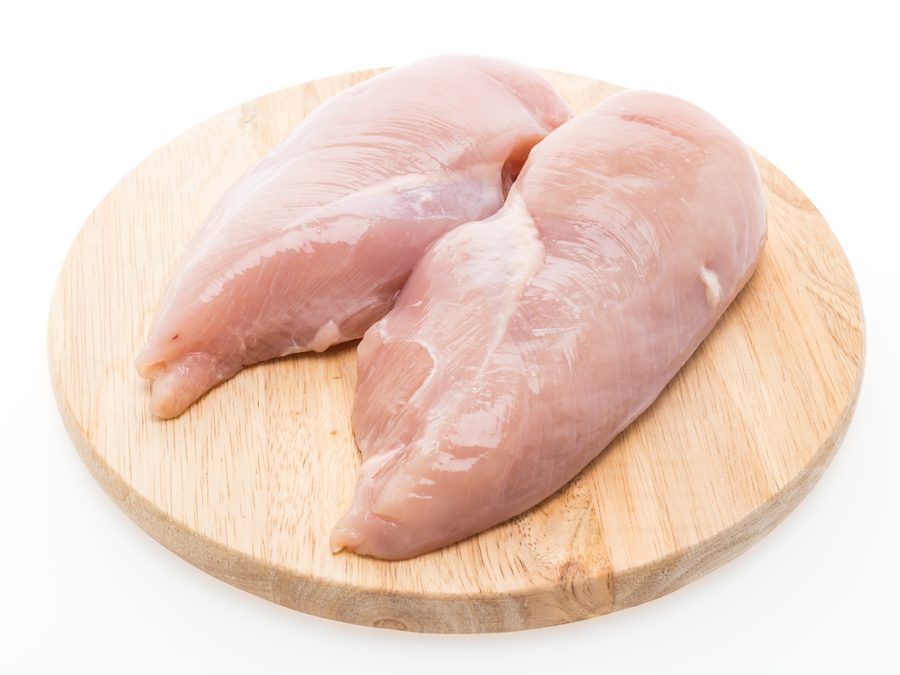
Chicken
Mild, familiar and easy to shred — the protein most babies accept without argument.
Meat & fish
Turkey
Lean, mild and a touch more iron than chicken — with the same dryness problem.
Meat & fish
Lamb
Iron and zinc close to beef, with a stronger flavour babies often take better than adults expect.