 FirstNom
Nuts & seeds
Sunflower seed butter for babies
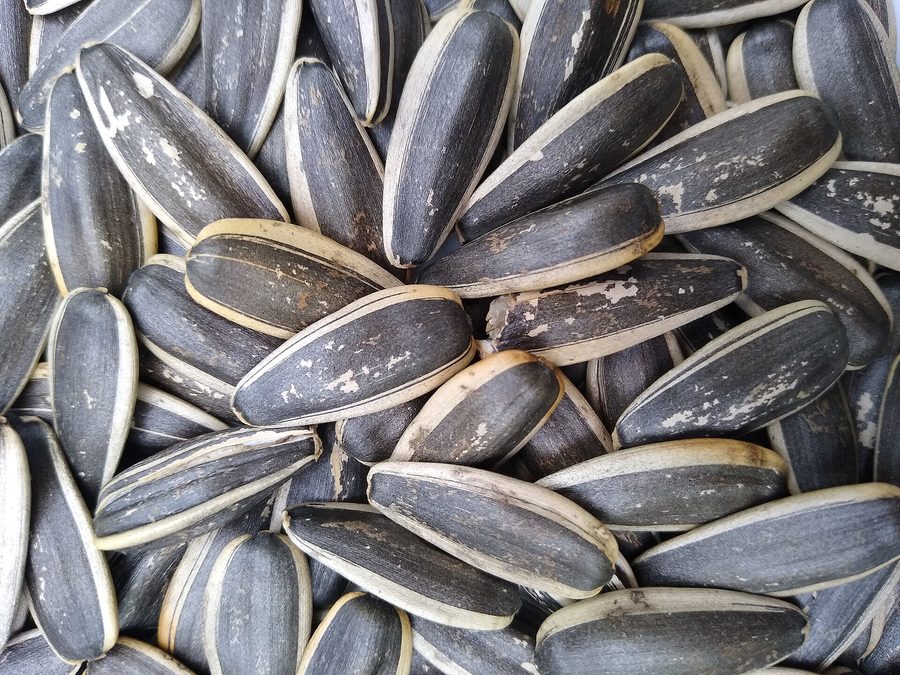
Sunflower seed butter is the standard substitute in nut-free households: similar texture, similar calories, and it is not one of the nine common allergens.
When can babies have sunflower seed butter?
From around 6 months, thinned. Sunflower seed is not one of the nine common allergens, though any food can cause a reaction.
How do you serve sunflower seed butter to a baby?
The shape is what makes a food safe, and it changes as your baby’s grip and chewing change. Find your baby’s age band.
-
6–8 months
Thin a teaspoon with warm water or milk until pourable, then stir into porridge or purée, or spread paper-thin on toast.
-
9–11 months
Thin layers on toast, in yogurt, blended into smoothies.
-
12–18 months
Thinly spread, in baking, in sauces.
-
24 months+
Whole sunflower seeds from around 4 years.
Prep tip
Sunflower butter can turn baked goods slightly green — a harmless reaction between chlorogenic acid and baking soda. It tastes fine.
Storage
Refrigerate after opening. It separates like other natural butters — stir thoroughly.
Is sunflower seed butter a choking hazard for babies?
Like every seed and nut butter, thick sunflower butter can stick in the throat. Always thin it to a pourable consistency or spread it very thinly. Whole sunflower seeds are small and hard and should wait until around 4 years.
Whatever you serve, stay within arm’s reach, keep your baby upright in a supportive seat, and never let them eat in a moving car, buggy or carrier. Gagging is loud and normal. Choking is silent.
Is sunflower seed butter a common allergen?
Sunflower seed is not among the nine common allergens, which is why it is the standard substitute in nut-free schools and nurseries. Reactions are possible but uncommon. Introduce it on its own as you would any new food.
Is sunflower seed butter healthy for babies?
Sunflower seed butter is the richest common source of vitamin E and carries a genuinely useful amount of iron and magnesium. In a nut-free home it does everything peanut butter does nutritionally, including adding calories to a small meal.
| Vitamin E | Extremely high |
|---|---|
| Healthy fats | Very high |
| Magnesium | High |
| Iron (non-heme) | High |
| Protein | Good source |
| Iron per serving | ~1.1 mg |
Common questions about sunflower seed butter
Is sunflower butter safe in a nut-free nursery?
Usually yes — it is the standard nut-free substitute. Check with the setting, as some ask for it to be labelled to avoid confusion with peanut butter.
Is it as nutritious as peanut butter?
Comparable, and higher in vitamin E, iron and magnesium. Slightly lower in protein.
Guides for this food
Reference material
Guidance on this page follows the sources listed below.
Foods parents look at next
Nuts & seeds
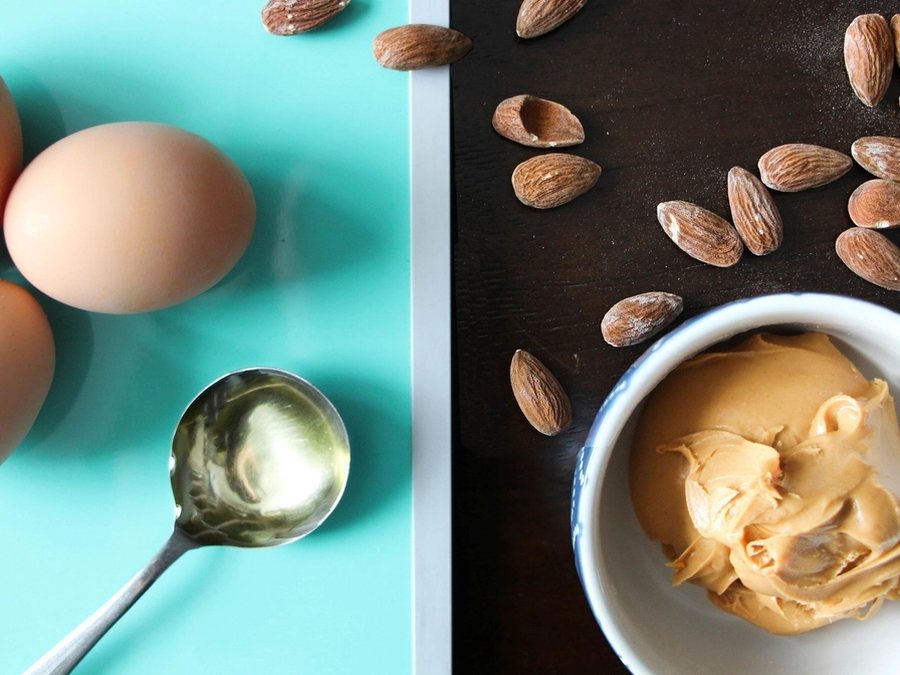
Peanut butter
Early, regular peanut is the single best-evidenced way to reduce the risk of peanut allergy.
Beans & legumes
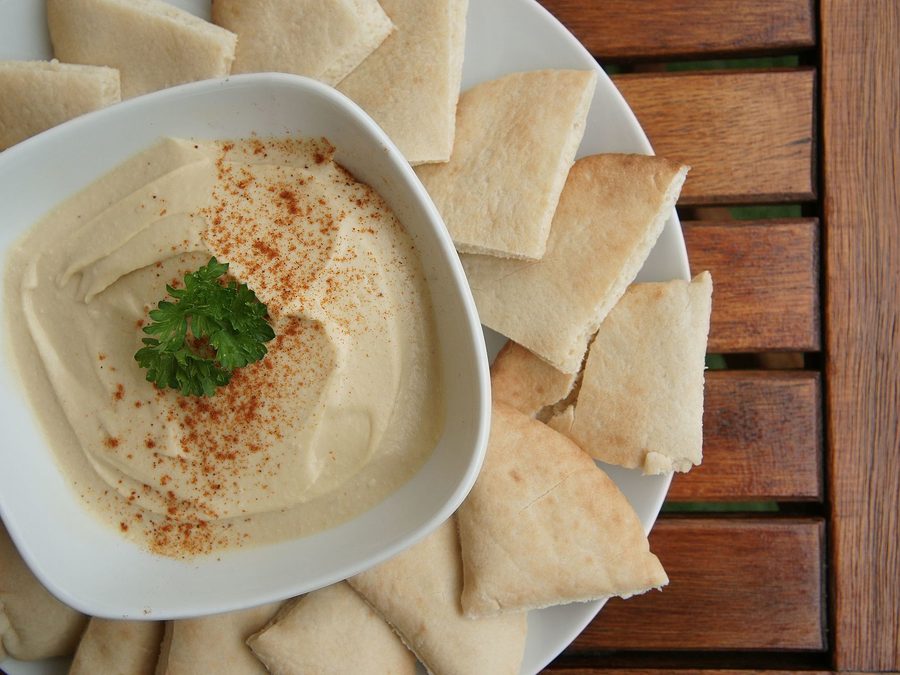
Hummus
Iron, protein and a sesame introduction in one scoopable dip.

Nuts & seeds
Almond butter
A tree-nut introduction that also happens to be a decent calcium source.
Nuts & seeds
Pumpkin seeds
One of the highest plant iron and zinc sources — ground for babies.