 FirstNom
Starting solids
The 5 Signs Your Baby Is Ready for Solid Food
Age is the least reliable signal. Here is what to actually look for, why the tongue-thrust reflex matters more than teeth, and the four things people mistake for readiness.
· 4 min read
Nearly every parent asks the same question in the same week: is it time yet? The answer is not on the calendar. Readiness is a set of physical skills, and a baby either has them or does not.
The five signs
1. They can sit upright with little or no support. This is the one that matters most, and it is a safety requirement rather than a preference. A baby who is slumped or reclined cannot protect their own airway. If your baby needs to be propped with cushions, they are not there yet.
2. They hold their head steady. Head control has to be reliable and unwavering, not just present when they are concentrating. A wobbly head means a wobbly airway.
3. They reach for food and bring it to their mouth. Coordinated hand-eye-mouth movement is what makes self-feeding possible. Watch what happens when you eat — a ready baby tracks the food, reaches for it, and gets it approximately where they intend.
4. The tongue-thrust reflex has gone. Young babies automatically push anything solid out of the mouth with their tongue. It is a protective reflex and it fades somewhere around 4 to 6 months. If every spoonful comes straight back out, that is not fussiness — it is the reflex still doing its job.
5. They show real interest. Not just watching you eat, which almost every baby does. Leaning in, opening their mouth, getting frustrated when the food goes somewhere else.
You want all five, not three out of five. And they usually arrive together, around 6 months.
Four things that are not readiness signs
These come up constantly and none of them mean what people think:
- Waking more at night. Sleep regressions happen at 4 months for reasons that have nothing to do with hunger. Starting solids does not fix them, and the research on solids and sleep is unconvincing.
- Watching you eat. Babies watch everything you do. It is social interest, not hunger.
- Being a big baby. Size tracks growth, not neurological development.
- Finishing every bottle. Appetite varies. So does bottle size.
Why around 6 months, and not earlier
Two reasons, and they pull in the same direction.
The first is safety. The skills above — sitting, head control, the reflex fading — arrive on a developmental timetable, and they are what make eating safe rather than risky.
The second is iron. A full-term baby is born with iron stores that are largely spent by around 6 months, and breast milk contains very little iron. From that point the diet has to supply it, which is why beef, lentils and iron-fortified cereal matter more in the first weeks of solids than fruit purée does.
Starting much earlier does not help with either. Starting much later leaves the iron gap open and narrows the window in which babies most readily accept new flavours and textures.
What to actually start with
Not rice cereal on its own, and not a month of orange vegetables. The old sequence — cereal, then vegetables, then fruit, then meat somewhere down the line — has no evidence behind it and delays the nutrient that matters most.
A reasonable first week looks like:
- One iron-rich food most days: iron-fortified oatmeal, finely shredded beef, or mashed lentils.
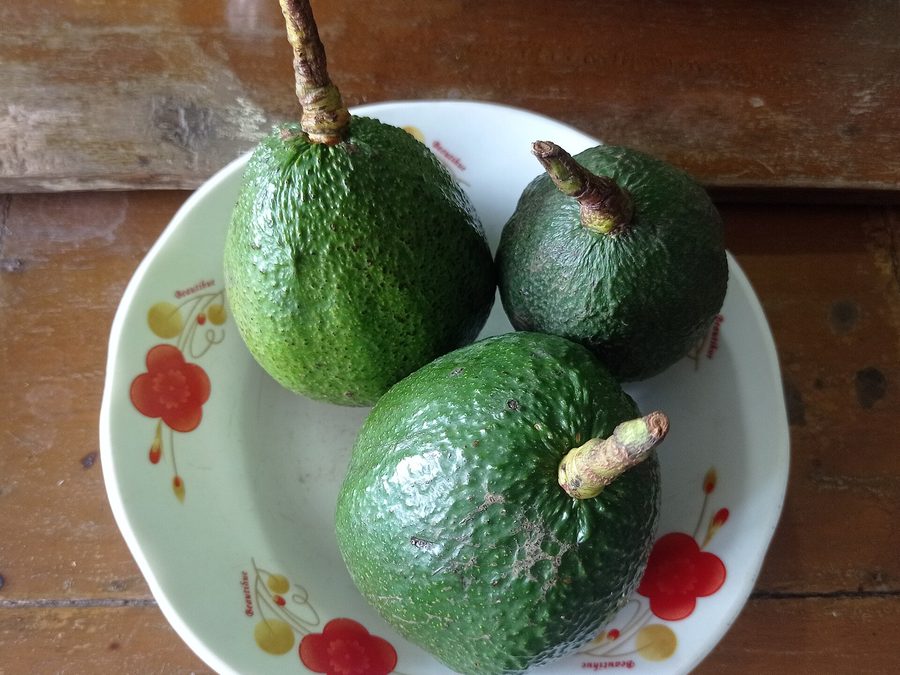
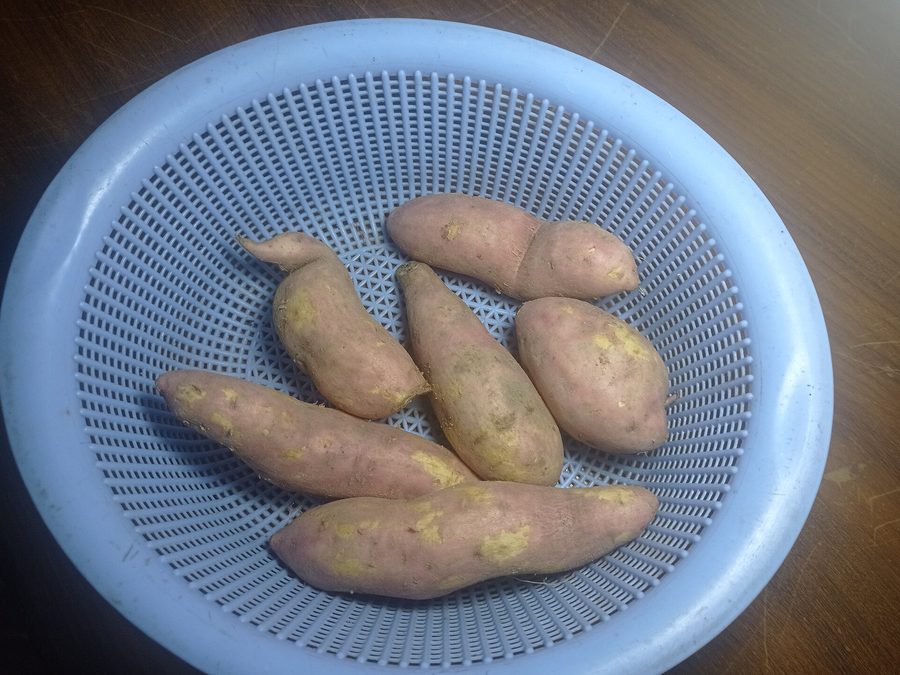
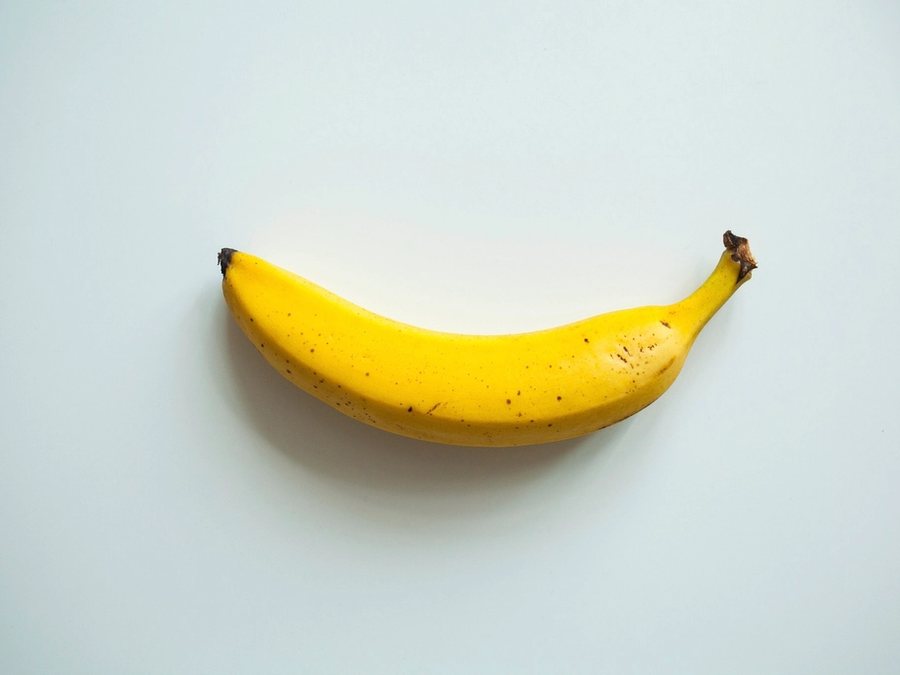
- One or two easy first foods for practice: avocado strips, roasted sweet potato wedges, banana with the peel left on as a handle.
- A vitamin C food alongside the plant iron: mashed strawberry, mango, or a few strips of roasted red pepper. It can multiply how much iron your baby actually absorbs.
Start with one meal a day. Expect almost nothing to be eaten for the first fortnight — early solids are practice, and milk is still doing the nutritional work.
Start the allergens early too
This trips people up because the advice reversed. Delaying allergens does not prevent allergy; it raises the risk. Once a couple of ordinary first foods have gone down without incident, start working through the nine: egg, peanut, milk, wheat, soy, tree nuts, sesame, fish and shellfish.
One at a time, at home, earlier in the day, with two hours of watching afterwards. And then — the part most families miss — keep each one in the diet, roughly twice a week.
If your baby has severe eczema, an existing food allergy, or a family history of anaphylaxis, talk to your pediatrician before the first allergen rather than after.
Questions parents ask
Can I start solids at 4 months?
Most babies are not developmentally ready at 4 months, and both the AAP and the WHO point to around 6 months. The exception is allergen introduction in a baby with severe eczema or an existing food allergy, where NIAID guidance recommends introducing peanut between 4 and 6 months — with your pediatrician's involvement. Talk to your doctor rather than deciding alone.
Does my baby need teeth to start solids?
No. Babies chew with their gums, and gums are surprisingly effective on food soft enough to squash between your fingers. Most babies get their first tooth somewhere between 6 and 12 months, long after they start eating.
My baby is 7 months and still cannot sit unsupported. What now?
Talk to your pediatrician or health visitor. Sitting is the readiness sign that matters most for safety, and a delay in it is worth a conversation rather than a workaround. In the meantime a fully supportive high chair, upright and with good trunk support, is safer than propping.