 FirstNom
Vegetable
Bell pepper for babies
A red bell pepper carries more vitamin C than an orange, which makes it the most efficient thing you can put next to lentils, beans or fortified cereal.
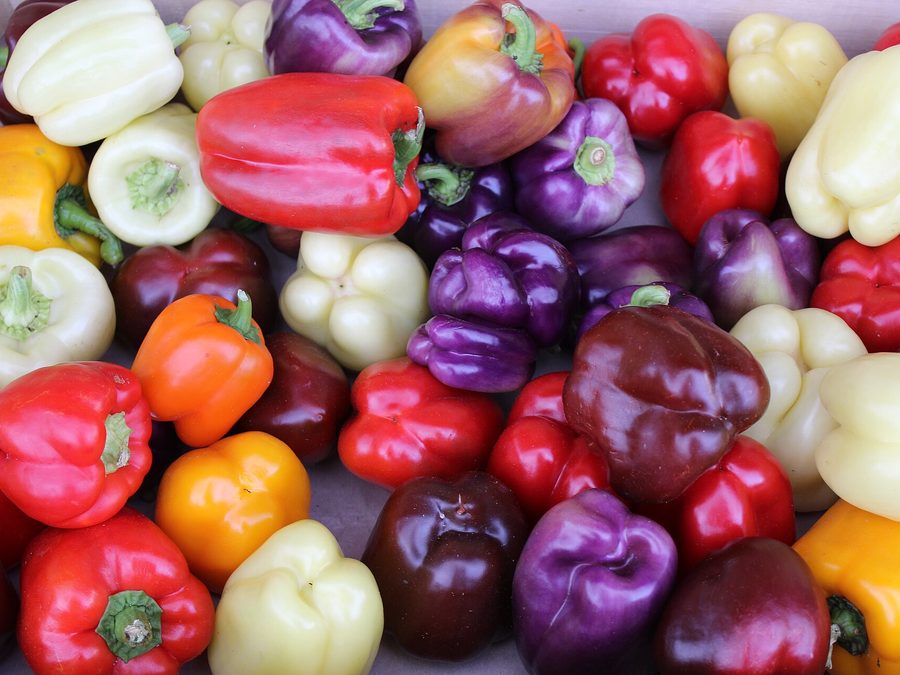
When can babies have bell pepper?
From around 6 months, cooked soft and peeled. Red, orange and yellow peppers are sweeter and much higher in vitamin A than green.
How do you serve bell pepper to a baby?
The shape is what makes a food safe, and it changes as your baby’s grip and chewing change. Find your baby’s age band.
-
6–8 months
Roast until the skin blisters, peel the skin off, and cut into finger-width strips. Roasted pepper is soft, sweet and easy to hold.
-
9–11 months
Soft cooked strips or small pieces.
-
12–18 months
Cooked strips; thin raw strips if your child chews confidently.
-
18–24 months
Raw and cooked strips. Family portions.
Prep tip
Roast peppers whole under a hot grill until blackened, then steam them in a covered bowl for ten minutes — the skins slip off with your fingers.
Storage
Whole peppers keep a week refrigerated. Roasted peeled peppers keep four days in oil or three days plain.
Is bell pepper a choking hazard for babies?
Cooked pepper is soft and low risk once the skin is removed. Raw pepper is firm and its skin is slippery and hard to chew — it can peel off in a strip in the mouth. Serve cooked and skinned under about 12 months, and cut lengthways into strips rather than squares.
Whatever you serve, stay within arm’s reach, keep your baby upright in a supportive seat, and never let them eat in a moving car, buggy or carrier. Gagging is loud and normal. Choking is silent.
Is bell pepper a common allergen?
Bell pepper is not one of the nine most common food allergens. Any food can trigger a reaction, though, so offer it on its own the first time and watch for hives, vomiting, swelling or a change in breathing over the next two hours.
Is bell pepper healthy for babies?
Red bell pepper is among the highest vitamin C foods in the supermarket — roughly two to three times an orange by weight. Because vitamin C dramatically increases absorption of non-heme iron, a few strips of roasted pepper alongside a lentil or bean meal does measurable nutritional work.
| Vitamin C | Extremely high |
|---|---|
| Vitamin A (red) | Very high |
| Vitamin B6 | Good source |
| Folate | Good source |
| Iron per serving | ~0.3 mg |
Common questions about bell pepper
Green or red pepper for a baby?
Red, orange or yellow. They are sweeter, higher in vitamin C and much higher in vitamin A. Green peppers are unripe and noticeably more bitter.
Can babies eat raw pepper?
From around 12 months in thin strips, once they are chewing well. Before that the skin is difficult and the flesh is firm — roast and peel it.
Recipes with this food
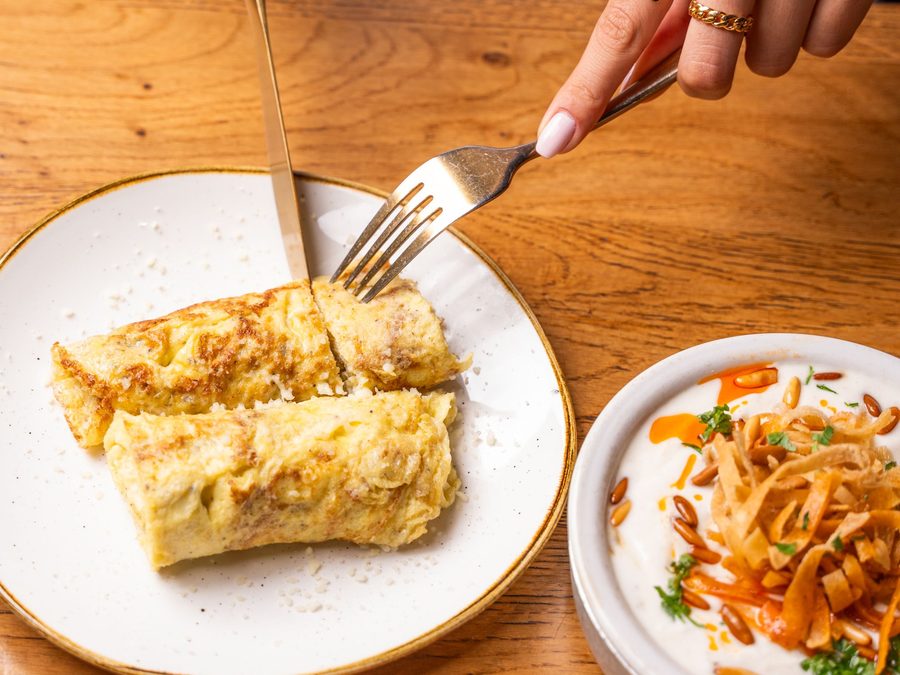
Guides for this food
Reference material
Guidance on this page follows the sources listed below.
Foods parents look at next
Vegetable
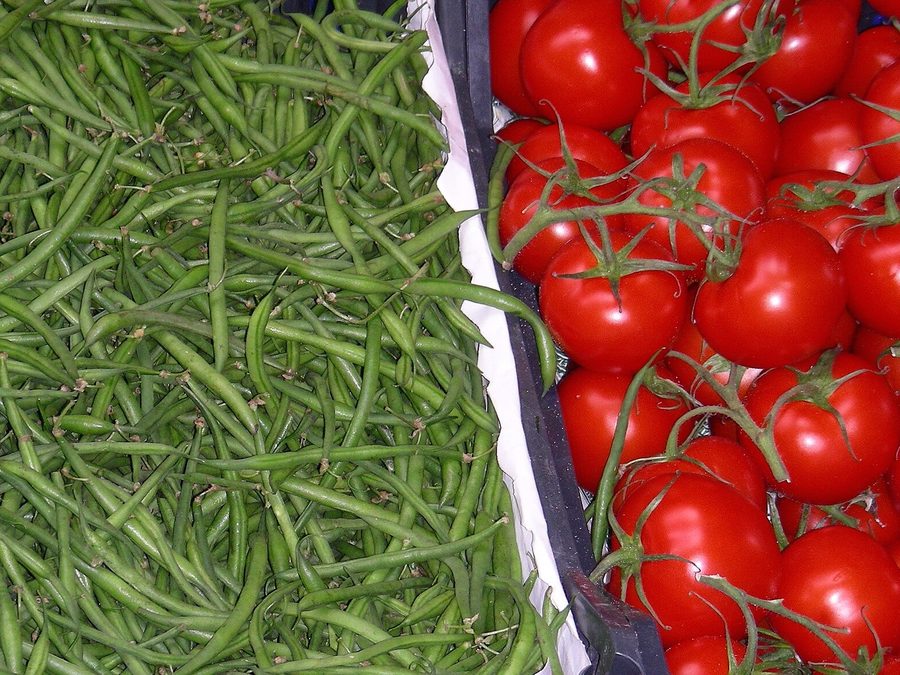
Tomato
Vitamin C for iron absorption — and cherry tomatoes are in the grape hazard class.
Vegetable
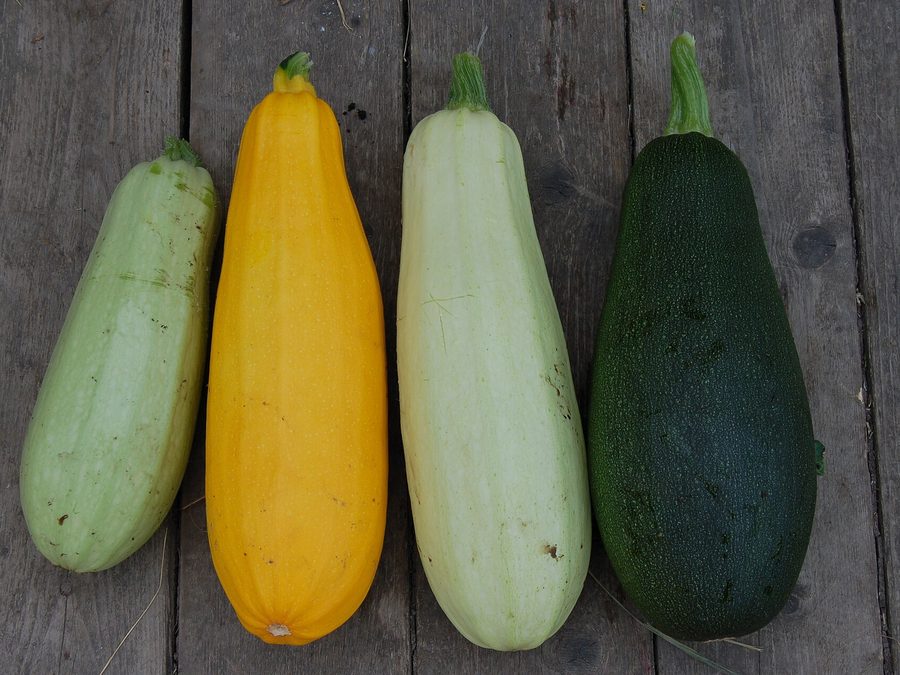
Zucchini
Cooks soft in minutes and cuts into a spear — one of the fastest first vegetables to prepare.
Vegetable
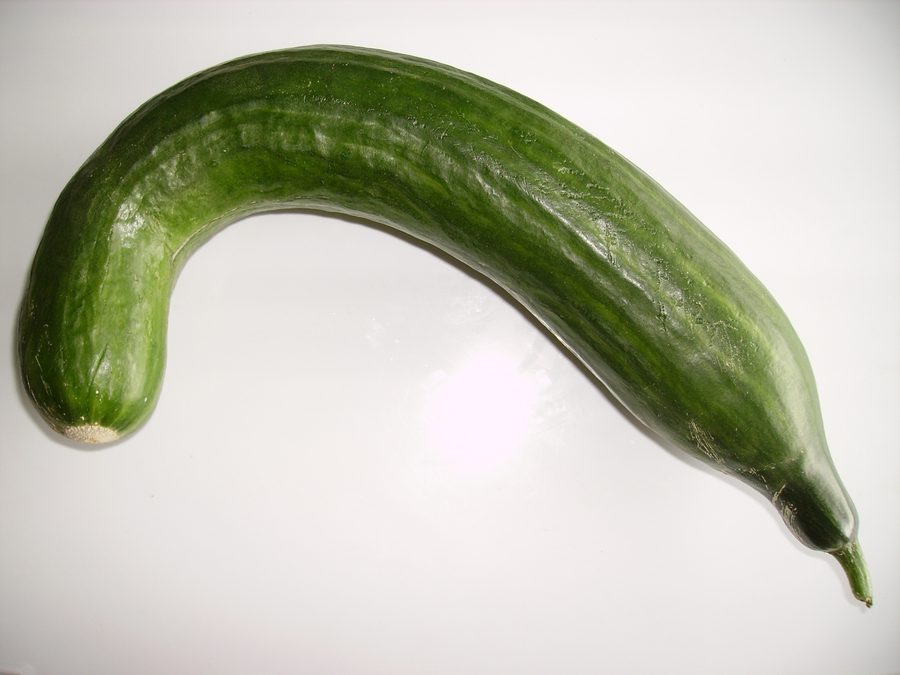
Cucumber
Cool, hydrating and brilliant for teething gums — but never in coins.
Beans & legumes
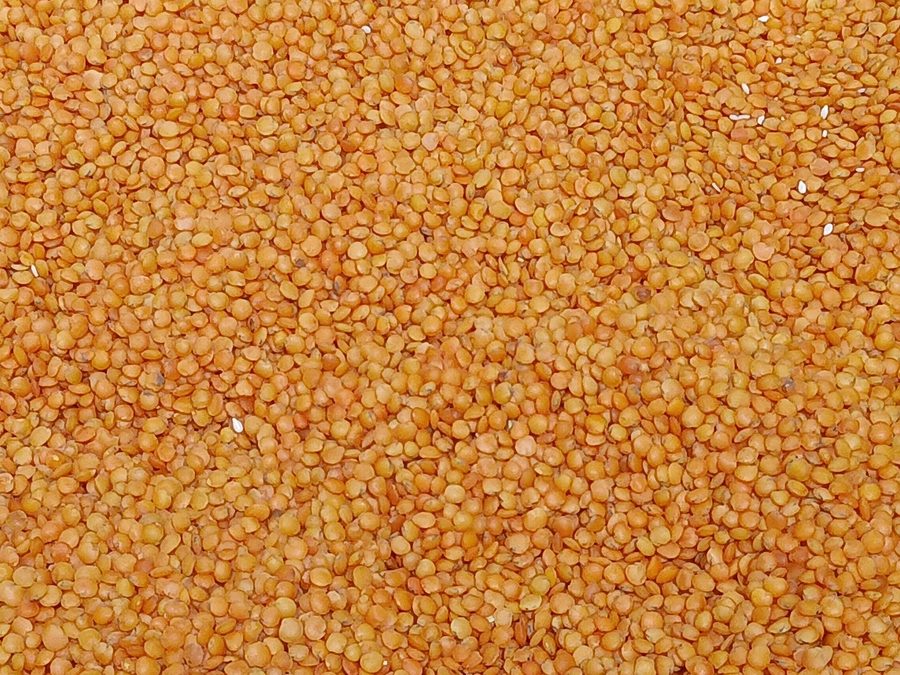
Lentils
The best plant iron source for babies — cheap, soft, and it cooks in twenty minutes.