 FirstNom
Breakfast · Finger food
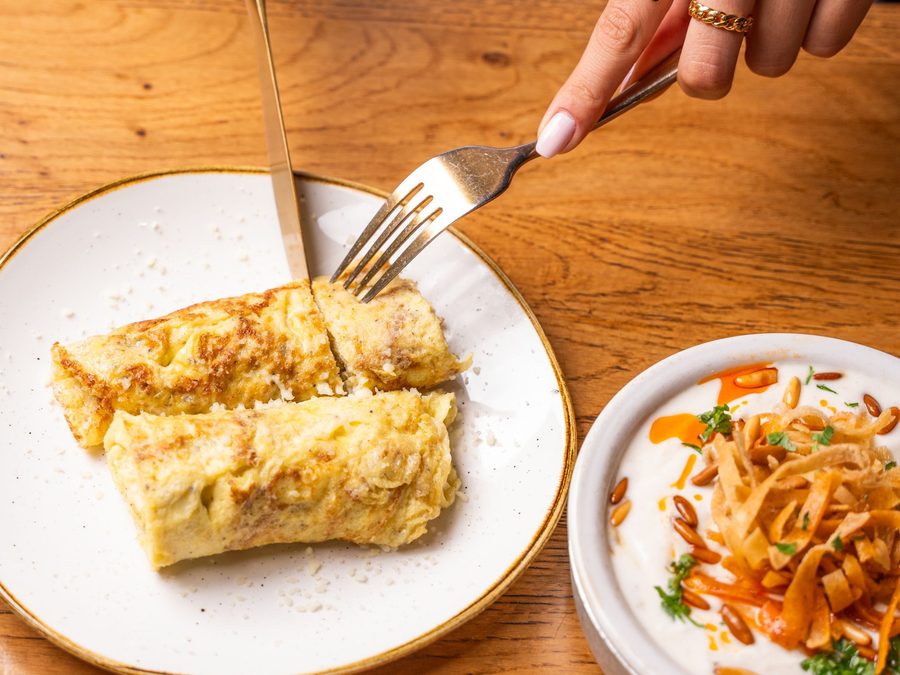
Rolled pepper, tomato and herb omelette fingers
Rolling a thin, fully set omelette into a log gives a soft, sturdy finger that a young baby can grip, and it is a simple way to offer egg, one of the common allergens worth introducing early. Roasted red pepper and tomato add sweetness, colour and vitamin C, and there is no cheese or milk, so egg is the only allergen. Make a few omelettes and it is breakfast for the whole family.
Ingredients
Makes 6 baby portions of 3 omelette fingers, about one egg's worth. The 3 rolled omelettes are breakfast for 2 adults and the baby, with a couple of baby portions left for lunch..
- 1 red pepper, roasted, skinned, deseeded and finely chopped
- 1 medium tomato, skinned, deseeded and finely chopped
- 6 eggs
- 6 basil leaves, finely chopped
- 1 tbsp fresh chives or parsley, finely chopped
- 1 tbsp olive oil, for the pan
Method
-
Grill the whole pepper under a high heat, turning, for 10 to 15 minutes until the skin is blackened all over. Seal it in a covered bowl for 10 minutes, then slip off the skin, discard the seeds and chop the soft flesh finely.
-
Score a cross in the tomato, cover it with just-boiled water for a minute, then peel, deseed and chop it finely. Pat it dry on kitchen paper so the omelettes do not go watery.
-
Whisk the eggs in a jug until no streaks of white remain, then stir in the pepper, tomato and herbs.
-
Heat a third of the oil in a 24 to 26 cm non-stick frying pan over a medium-low heat. Pour in a third of the egg and tilt the pan so it spreads thinly. Cover with a lid and cook for 3 to 4 minutes, until the top is completely set and dry, with no wet or glossy egg left.
-
Roll the omelette up tightly in the pan with a spatula, cook the log for another 30 seconds on each side, and tip it onto a board. Repeat with the rest of the egg to make three logs.
-
Cool for a few minutes, then cut each log into pieces about the length of an adult finger. Cut one open to check there is no runny egg inside, and squash one between your finger and thumb: it should give easily.
Prep tip
Roast two or three peppers at once and keep the skinned strips in the fridge. They make the omelette quick and are a soft finger food on their own.
How to serve it by age
The same recipe changes shape and texture as your baby’s grip and chewing change. Find your baby’s age band.
-
6–8 months
Two or three rolled fingers at a time, firm enough to hold in a fist but soft enough to squash between your finger and thumb. Your baby holds one end and gnaws the other; expect a lot of unrolling and squeezing at first.
-
9–11 months
Rolled fingers sliced into small soft pieces about 1 cm across for pincer practice, with a whole finger to bite. Add soft fruit, such as ripe pear or mango strips, on the side.
-
12 months+
Whole rolled omelettes, sliced, as the family eats them, or tucked into a soft wrap for lunch. Keep serving egg often, as regular eating helps keep it in the diet.
Choking: what to watch
Well-cooked egg is low risk, but rubbery or dry egg can make a baby gag, so the omelettes are cooked gently under a lid and kept moist rather than browned hard. Pepper and tomato skins are tough and can come away in a sheet in the mouth, so both are skinned, and the flesh is finely chopped so there are no firm pieces. Rolling makes a finger-shaped log that suits a baby who grabs with a fist.
Whatever you serve, stay within arm’s reach, keep your baby upright in a supportive seat, and never let them eat in a moving car, buggy or carrier. Gagging is loud and normal. Choking is silent.
Allergens
If this is your baby’s first taste of egg, it is easier to offer it on its own first, in a small amount, early in the day, so you can watch for a reaction over the next two hours. Once it is going well, keep it in their diet regularly. Hives, vomiting or swelling mean call your pediatrician; any trouble breathing means call your emergency number.
Iron
~0.9 mg per portion
Estimate: summed from the iron per serving on our egg, bell pepper, tomato, basil and olive oil pages (USDA FoodData Central), divided across six portions. Egg yolk carries most of the iron, and the pepper's vitamin C helps a little with absorbing it.
Storing and freezing
Cool and refrigerate within two hours; cooked egg keeps two days in the fridge. Freeze the fingers flat on a tray, then bag them in baby portions, for up to a month. Reheat once until piping hot all the way through, then cool, or serve cold from the fridge.
How sure is this?
- Guideline. Egg can be introduced from around six months, well cooked, and then kept in the diet regularly, per the AAP and the NHS.
- Guideline. Firm or slippery pieces, such as raw vegetables and tough skins, are choking risks for babies, so vegetables are cooked soft and skinned, per the AAP.
- Common practice, little evidence. Rolling or cutting a firm omelette into finger-length pieces for a young baby is a common baby-led weaning practice. It follows the choking advice on soft, holdable shapes, but it has not been studied on its own.
Common questions
Can this omelette be my baby's first taste of egg?
Yes. There is no milk or cheese in it, so egg is the only allergen; offer it early in the day at home and watch for the next couple of hours. Hives, vomiting or swelling mean call your pediatrician, and any trouble breathing means call your emergency number.
Can I use jarred roasted peppers?
Only if the label says no added salt, as most jarred peppers are packed in brine. Rinse them, pat them dry and chop them finely. Home-roasted peppers are softer and contain no salt.
My rolled omelette keeps cracking. What am I doing wrong?
It is usually a pan that is too hot or an omelette that is too thick. Use a low heat, pour the egg thinly, and roll while it is still warm and soft but fully set. A crack does not matter; the fingers still hold together.
Reference material
Guidance on this page follows the sources listed below.
Foods in this recipe
Vegetable
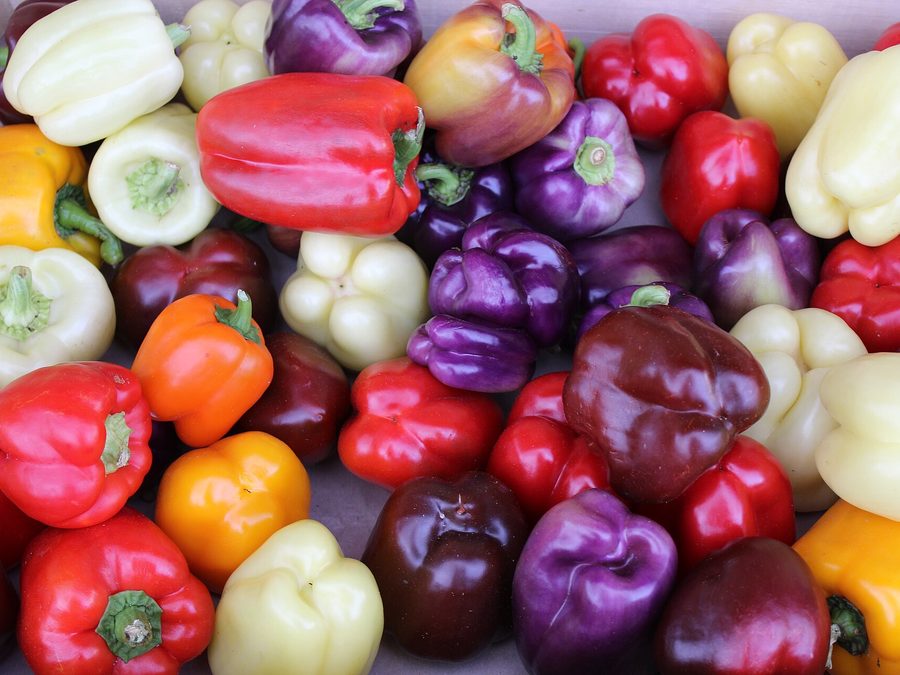
Bell pepper
More vitamin C than an orange — the single best vegetable to pair with an iron food.
Vegetable
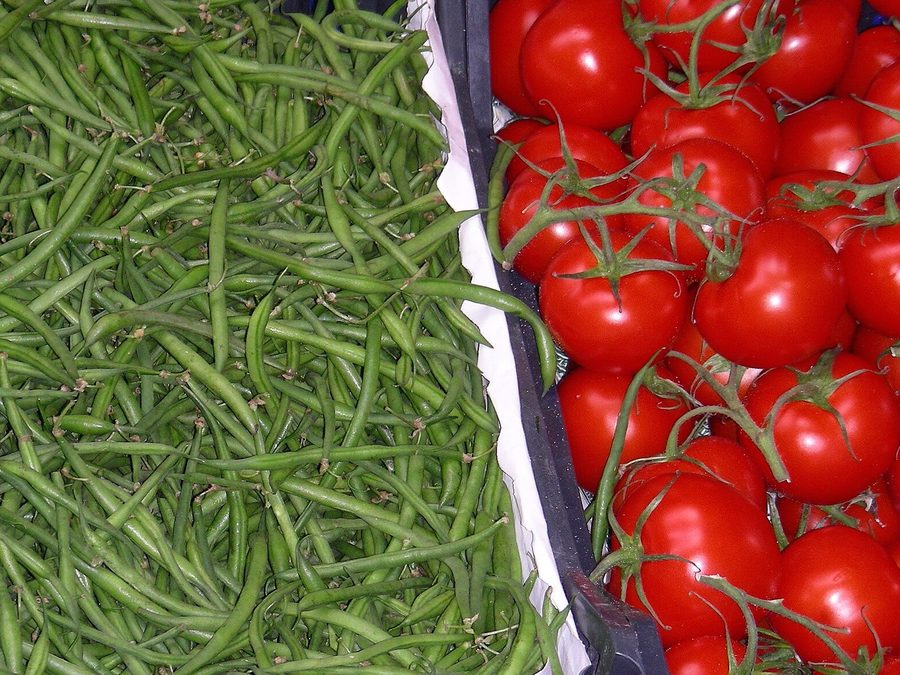
Tomato
Vitamin C for iron absorption — and cherry tomatoes are in the grape hazard class.
Dairy & eggs
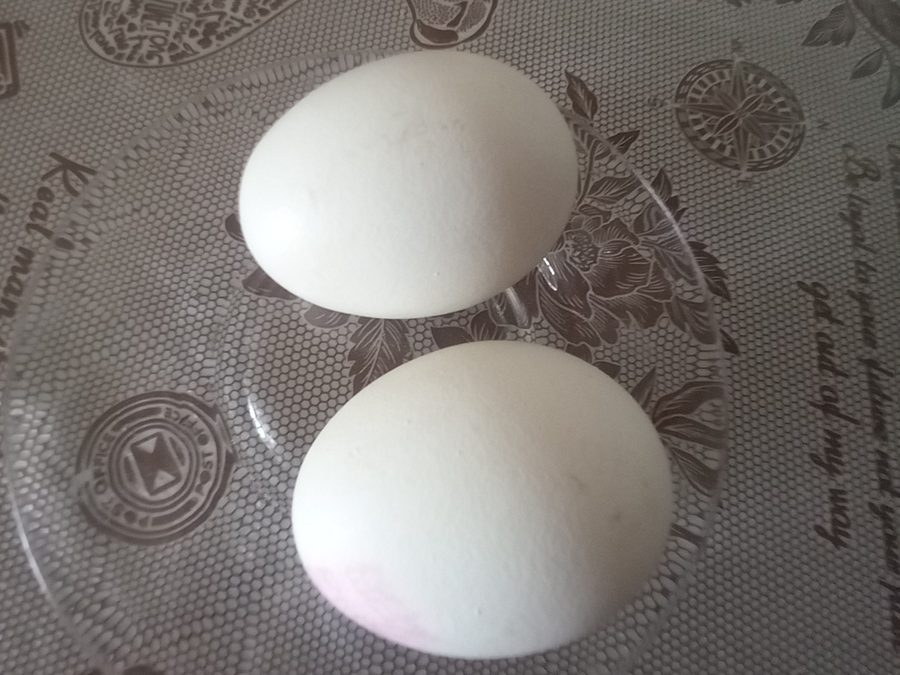
Egg
A top-nine allergen worth introducing early — and one of the cheapest complete proteins there is.
Herbs & spices
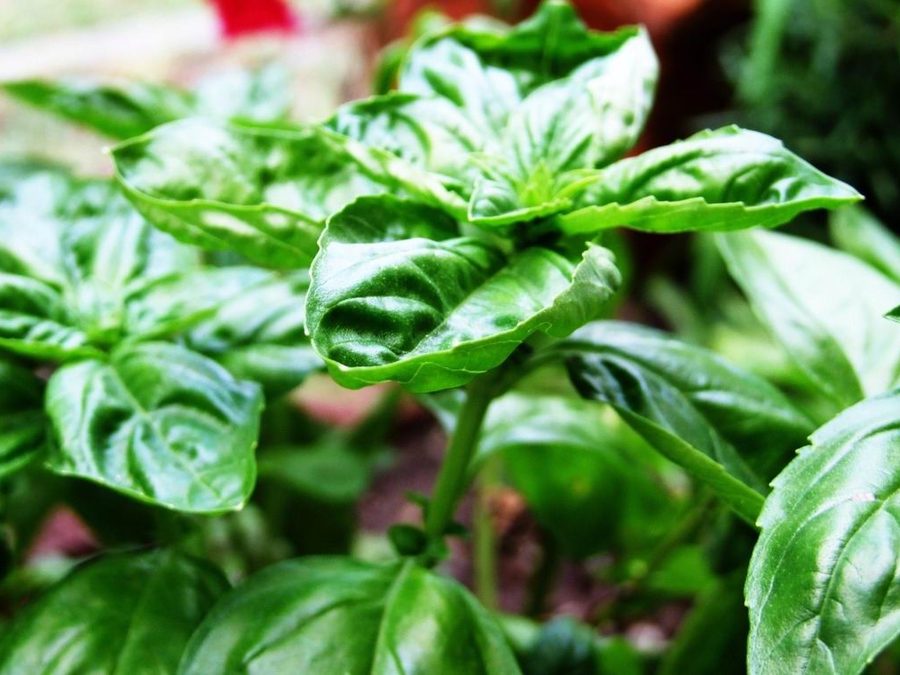
Basil
Fresh herbs are the best way to make food taste of something without salt.