 FirstNom
Meat & fish
Shrimp for babies
Shellfish is one of the nine common allergens and one of the most likely to last a lifetime, which is an argument for introducing it early rather than avoiding it.
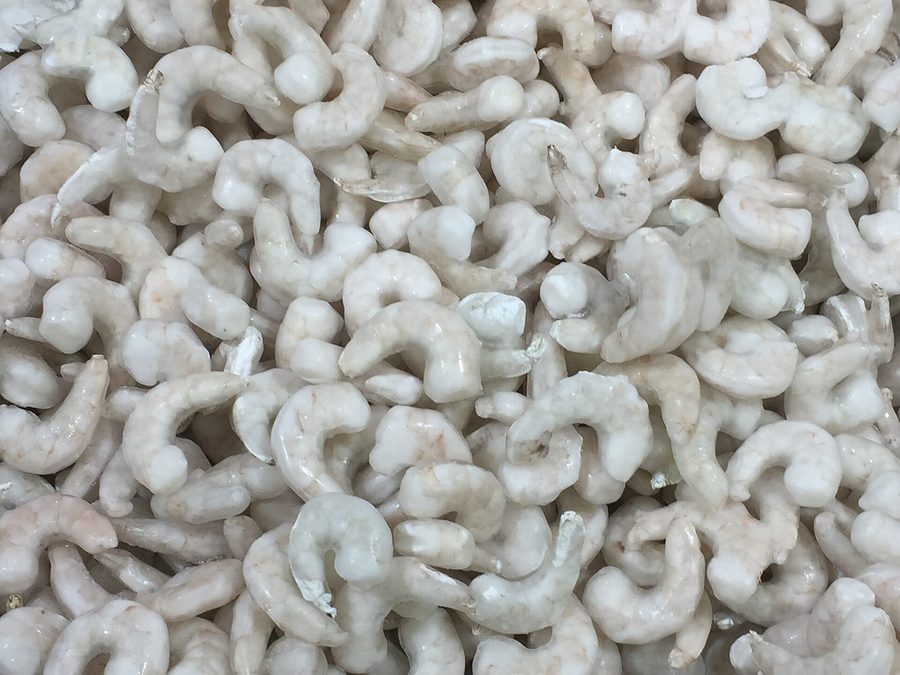
When can babies have shrimp?
From around 6 months, finely chopped and thoroughly cooked. Shellfish is a low-mercury seafood and appears on the FDA's best-choices list, so there is no reason to hold it back on that count.
How do you serve shrimp to a baby?
The shape is what makes a food safe, and it changes as your baby’s grip and chewing change. Find your baby’s age band.
-
6–8 months
Cook thoroughly, peel and devein, then mince very finely and mix into something soft — mashed potato, a thick sauce, or a fritter. Whole or halved shrimp is the wrong texture at this age.
-
9–11 months
Finely chopped, mixed into rice, pasta or a patty.
-
12–18 months
Chopped into small pieces, in fried rice, pasta or a mild curry.
-
18–24 months
Small whole shrimp cut into two or three pieces. Still not whole.
Prep tip
Overcooked shrimp turns to rubber. Cook just until opaque and curled into a loose C — a tight O means it has gone too far.
Storage
Cook fresh shrimp the day you buy it, or buy frozen and cook from frozen. Cooked shrimp keeps one to two days refrigerated and should not be reheated more than once.
Is shrimp a choking hazard for babies?
Cooked shrimp is springy and rubbery rather than soft, and a whole one is exactly the wrong size and texture. Chop it finely or mince it into another dish for the first year. Remove tails, shells and the dark vein completely.
Whatever you serve, stay within arm’s reach, keep your baby upright in a supportive seat, and never let them eat in a moving car, buggy or carrier. Gagging is loud and normal. Choking is silent.
Is shrimp a common allergen?
Crustacean shellfish — shrimp, prawn, crab, lobster — is one of the nine common allergens and one of the least likely to be outgrown. It is also one of the most common causes of food-allergic reactions in adults. Introduce it on its own, at home, earlier in the day, with two hours of watching. Molluscs (mussels, clams, scallops, squid) are a related but separate group; tolerating shrimp does not guarantee tolerating them.
Is shrimp healthy for babies?
Shrimp is almost pure protein with very high B12, selenium and iodine — the last of which is easy to miss in an infant diet and matters for thyroid function and brain development. It is low in fat and low in mercury.
| Protein | Very high |
|---|---|
| Vitamin B12 | Very high |
| Selenium | Very high |
| Iodine | Good source |
| Astaxanthin | Present |
| Iron per serving | ~0.3 mg |
Common questions about shrimp
Is shellfish allergy the same as fish allergy?
No. They are completely different proteins. A child who reacts to shrimp may eat salmon without any problem, and vice versa. Introduce them separately.
Is shrimp high in mercury?
No — shrimp is on the FDA and EPA best-choices list, meaning it is among the lowest-mercury seafoods and suitable for one to two servings a week for young children.
Guides for this food
Reference material
Guidance on this page follows the sources listed below.
Foods parents look at next
Meat & fish
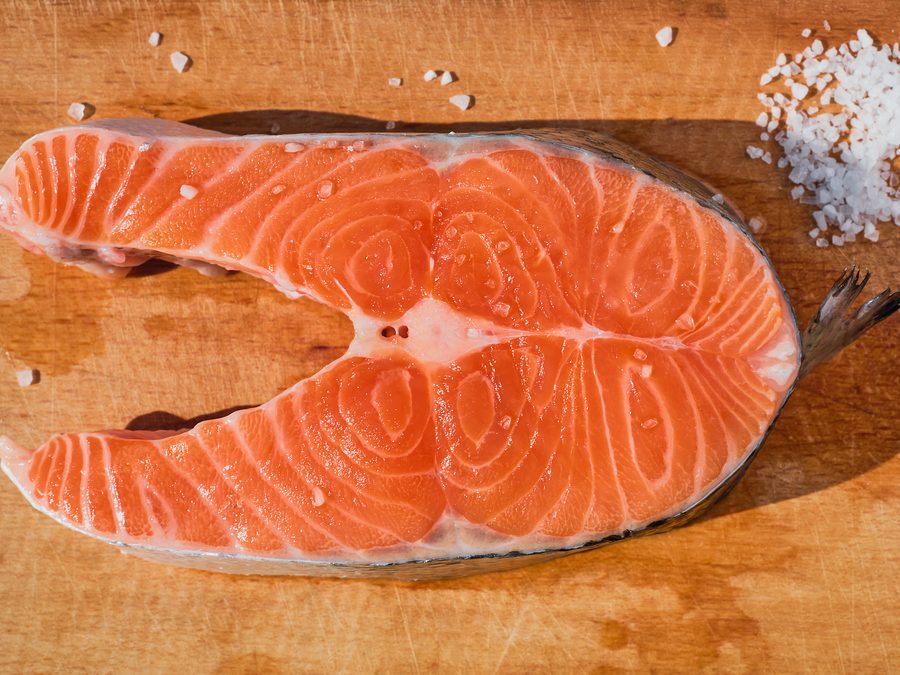
Salmon
Omega-3, vitamin D and a top-nine allergen worth introducing early — in one soft, flaky food.
Meat & fish
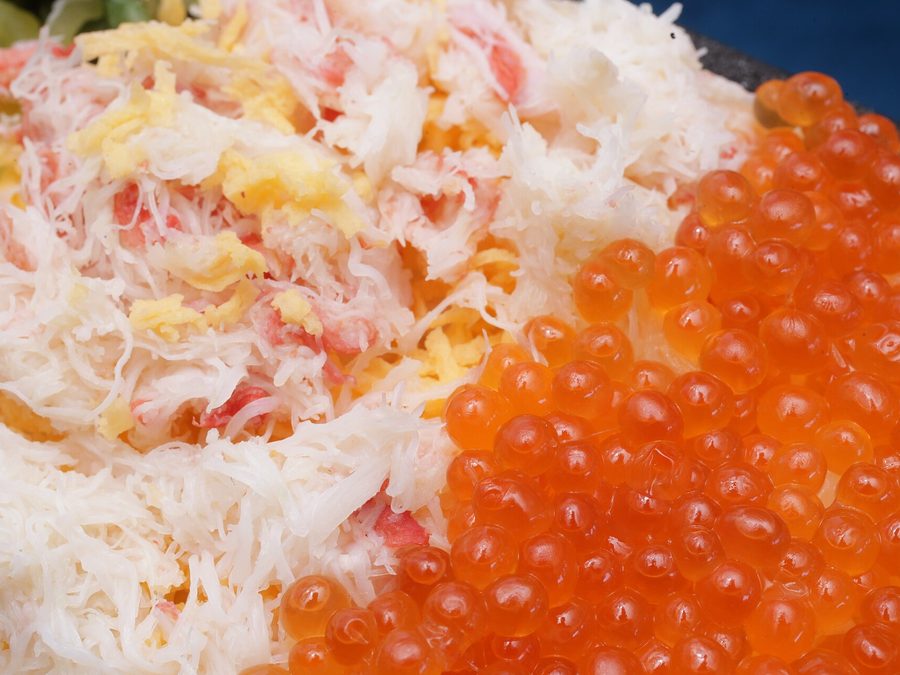
Crab
A crustacean allergen introduction with excellent zinc and B12.
Meat & fish
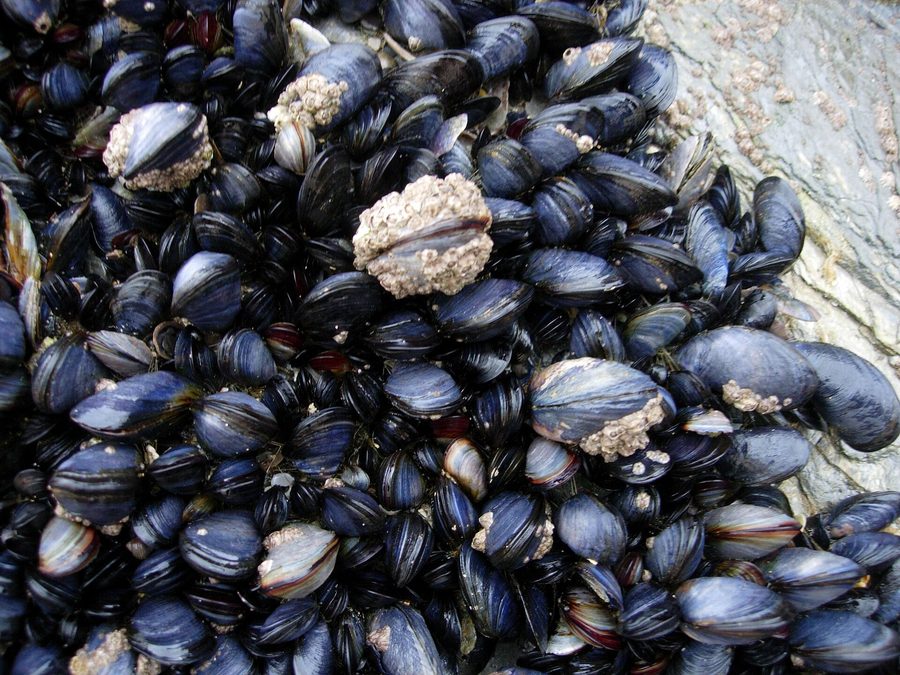
Mussels
Extraordinary iron and B12 — and a mollusc, which is a separate allergen from prawns.
Meat & fish
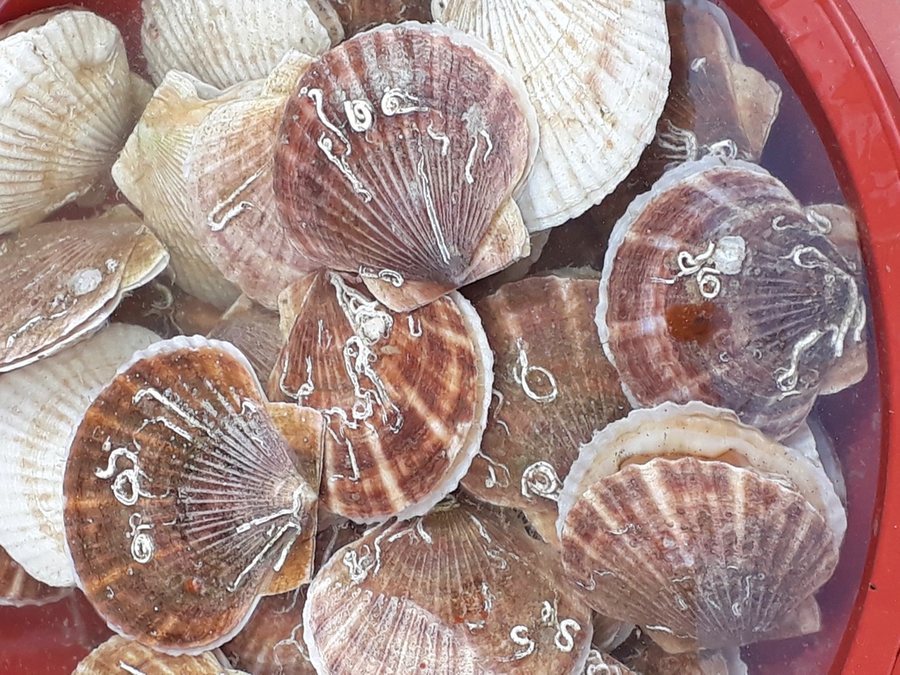
Scallops
Sweet, tender and lower in rubberiness than most shellfish — if you do not overcook them.