 FirstNom
Meat & fish
Mussels for babies
Mussels carry more iron than beef and more B12 than almost anything. They are also a mollusc, which is a different allergen group from shrimp and crab.
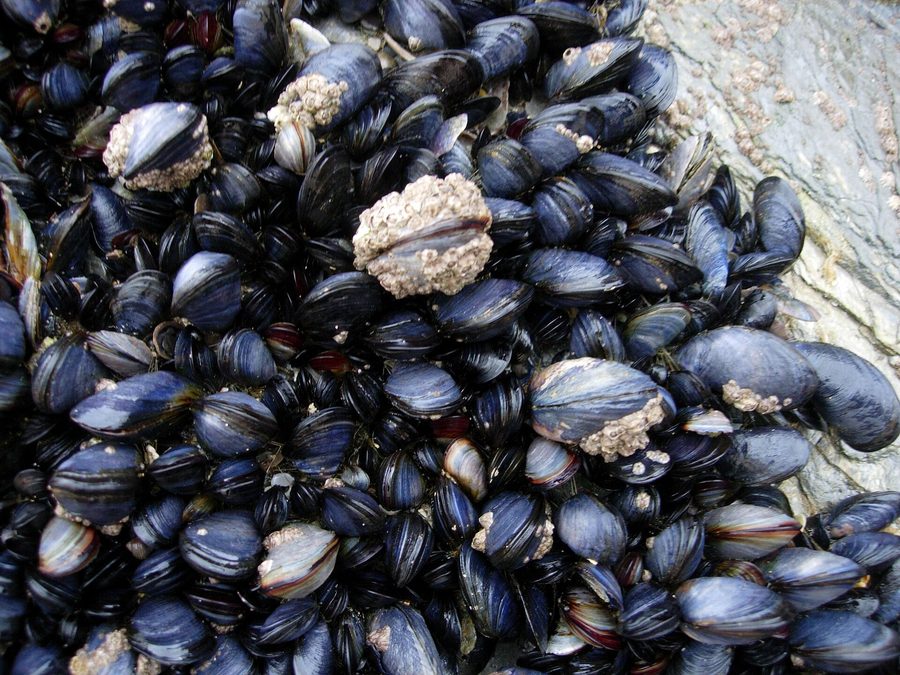
When can babies have mussels?
From around 6 months, thoroughly cooked and finely chopped. Buy from a reputable supplier and cook them the day you buy them.
How do you serve mussels to a baby?
The shape is what makes a food safe, and it changes as your baby’s grip and chewing change. Find your baby’s age band.
-
6–8 months
Steam until the shells open, remove from the shells, chop very finely, and mix into rice, pasta or a sauce.
-
9–11 months
Finely chopped mussel meat in a mixed dish.
-
12–18 months
Chopped mussels in pasta, rice or a mild broth.
-
18–24 months
Small chopped pieces. Whole mussels are still rubbery for a young child.
Prep tip
Discard any mussel that does not open during cooking, and any that is open and does not close when tapped before cooking. Both are standard safety practice and they matter more for a baby.
Storage
Buy live and cook the same day. Cooked mussel meat keeps one day refrigerated and should not be reheated more than once.
Is mussels a choking hazard for babies?
Cooked mussels are rubbery and springy — chop them very finely for the first year. Shells must be removed completely, and any mussel that stays closed after cooking should be discarded.
Whatever you serve, stay within arm’s reach, keep your baby upright in a supportive seat, and never let them eat in a moving car, buggy or carrier. Gagging is loud and normal. Choking is silent.
Is mussels a common allergen?
Molluscs — mussels, clams, oysters, scallops, squid — are a distinct group from crustaceans such as shrimp and crab. Tolerating one group says nothing about the other, and in the EU and UK molluscs are declared as a separate allergen. Introduce on its own, at home, earlier in the day, with two hours of watching.
Is mussels healthy for babies?
Mussels are one of the most iron-dense foods available, and the iron is heme iron, absorbed efficiently. They also carry extraordinary B12, selenium and manganese. For an iron-focused meal in a family that eats seafood, mussels are hard to beat.
| Iron (heme) | Very high |
|---|---|
| Vitamin B12 | Extremely high |
| Selenium | Very high |
| Manganese | Very high |
| Protein | Very high |
| Iron per serving | ~2 mg |
Common questions about mussels
Are mussels safe for a baby?
Cooked thoroughly, from a reputable source, chopped fine — yes. The risks are the same as for adults: shellfish poisoning from poorly sourced product, which is why supplier matters.
Do mussels really have more iron than beef?
By weight, yes — often around twice as much, and it is heme iron. They are a genuinely exceptional iron food.
Guides for this food
Reference material
Guidance on this page follows the sources listed below.
Foods parents look at next
Meat & fish
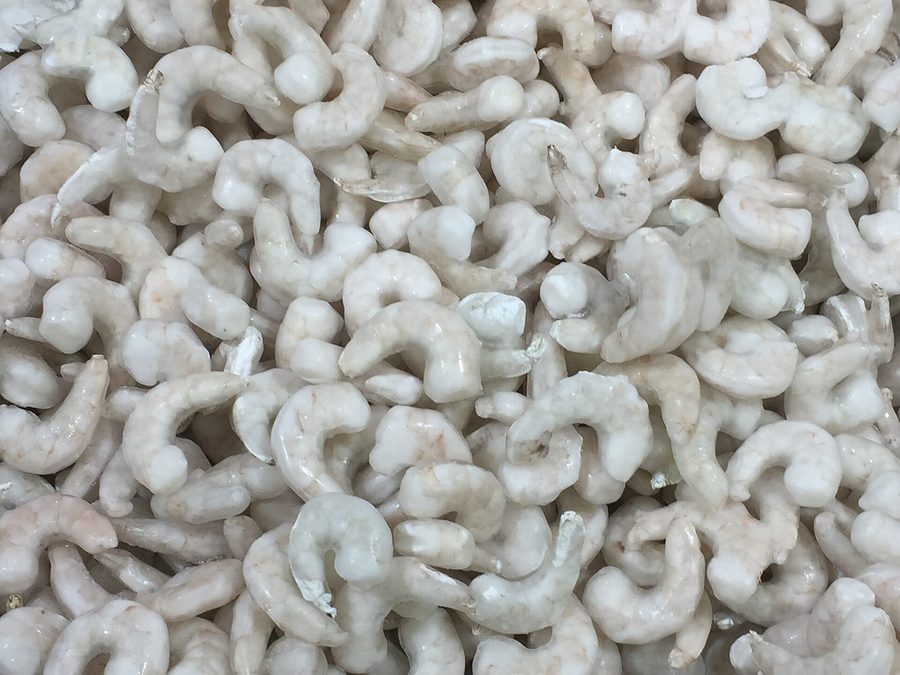
Shrimp
A shellfish introduction worth making early — chop it small, because shrimp is rubbery.
Meat & fish
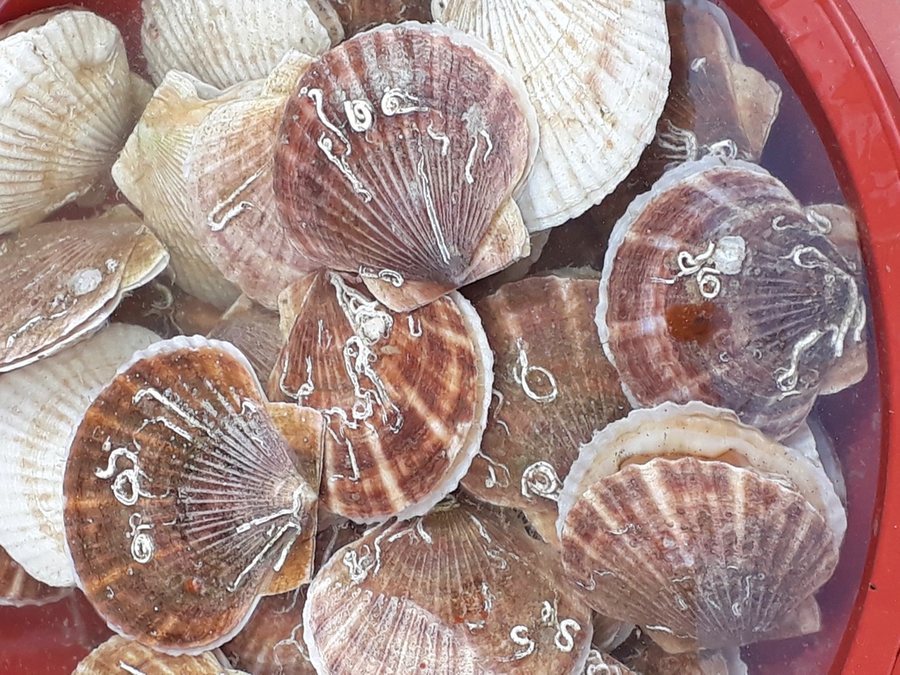
Scallops
Sweet, tender and lower in rubberiness than most shellfish — if you do not overcook them.
Meat & fish
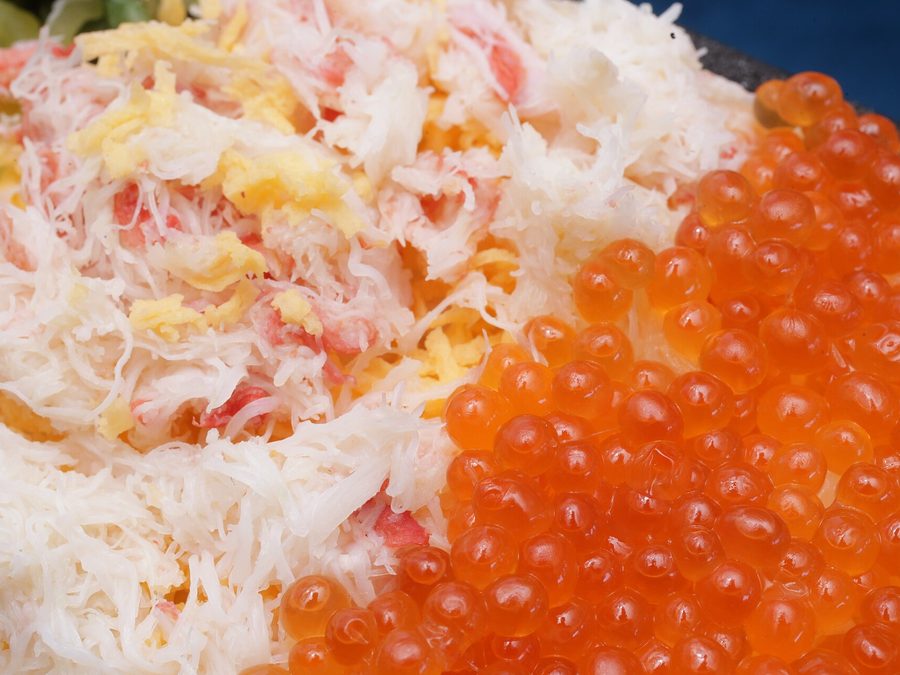
Crab
A crustacean allergen introduction with excellent zinc and B12.
Meat & fish
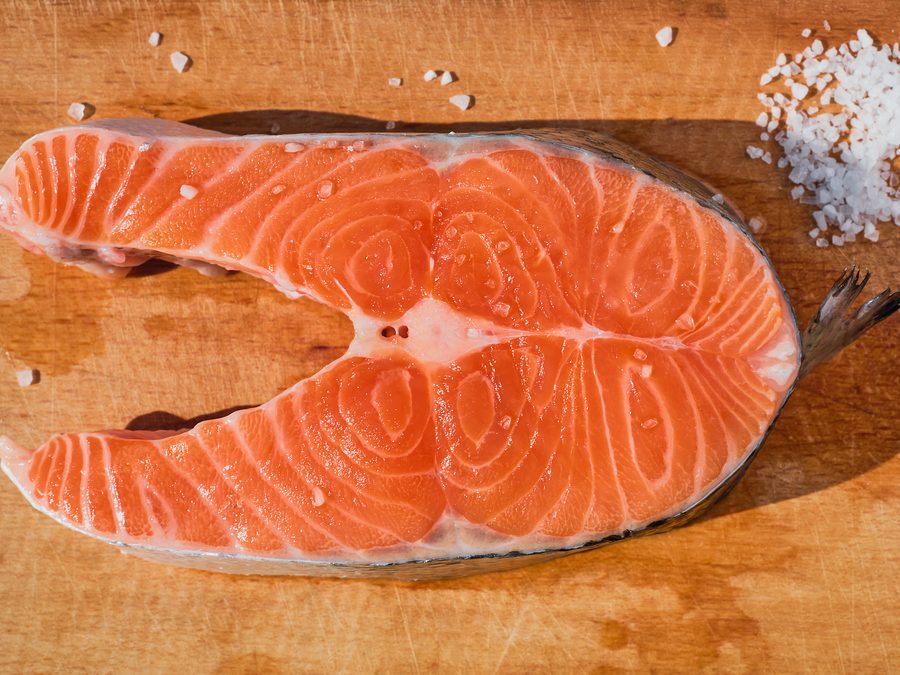
Salmon
Omega-3, vitamin D and a top-nine allergen worth introducing early — in one soft, flaky food.