 FirstNom
Breakfast · Finger food or Preloaded spoon
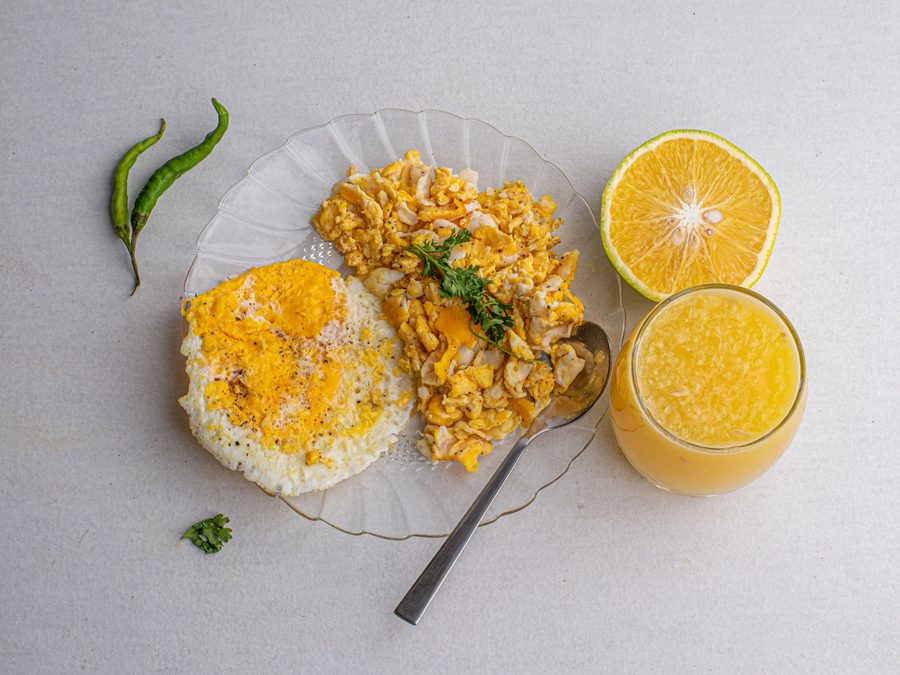
Fluffy scrambled egg clumps with chives
Scrambled egg is one of the quickest ways to put egg, a key early allergen, on the table, and the whole family can share one pan. The trick for baby-led weaning is to cook it low and slow into large curds rather than tiny crumbs, so a young baby has something they can actually pick up. Every part is cooked through until nothing looks wet or runny.
Ingredients
Makes 5 baby portions of The scramble from about 1 egg. The pan is breakfast for 2 adults (2 eggs each) and the baby..
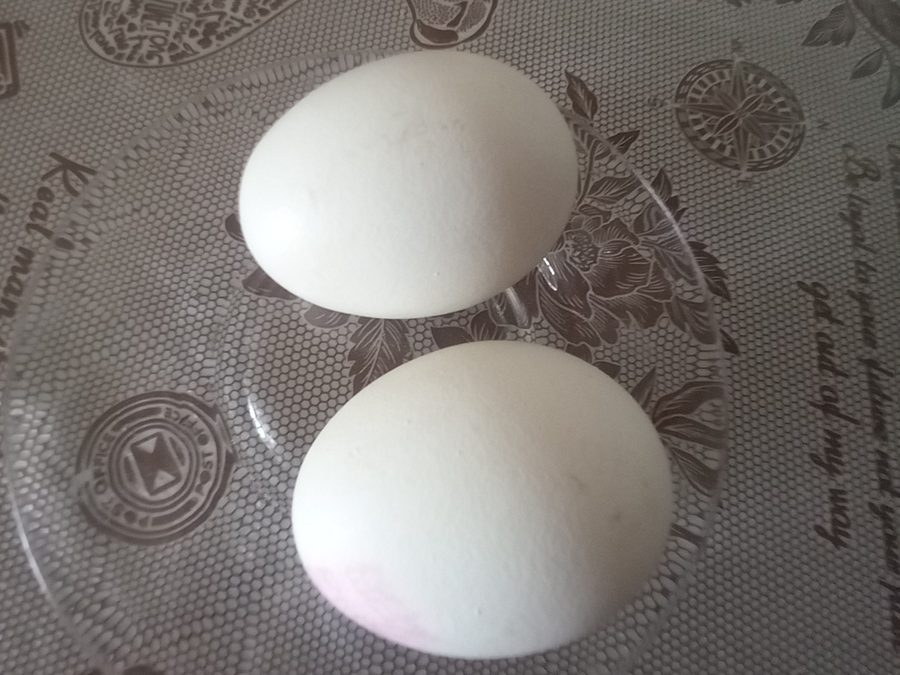
- 5 eggs
- 3 tbsp whole milk, or your baby's usual milk
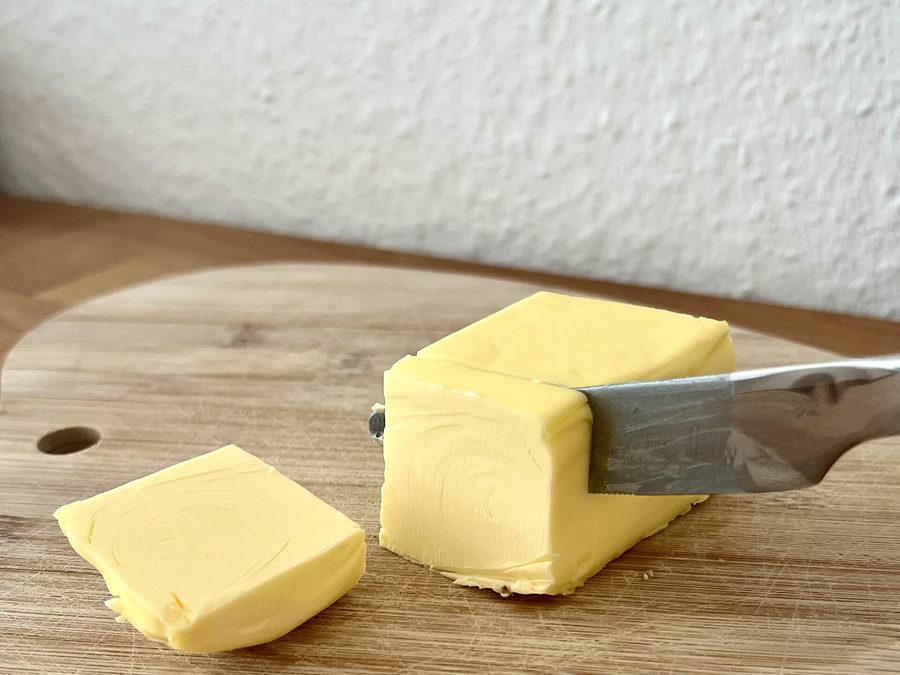
- 10 g (2 tsp) unsalted butter
- 1 tbsp fresh chives, very finely snipped (optional)
Method
-
Crack the eggs into a bowl, add the milk and whisk with a fork for about 30 seconds, until no streaks of white remain. An even mix sets into even curds.
-
Melt the butter in a non-stick frying pan over medium-low heat until it foams gently but does not brown.
-
Pour in the eggs and leave them for 15 to 20 seconds until the edges just begin to set. Then push the egg slowly from the edge to the centre with a spatula, in long strokes, so it gathers into large, soft folds rather than small crumbs.
-
Keep folding every few seconds for 3 to 4 minutes. For the baby, cook until every part is set and opaque, with no wet or glossy patches and no liquid on the plate when you lift a curd. Scatter in the chives for the last 30 seconds.
-
Lift the baby's share out first, in the biggest clumps you can, and spread it on a plate to cool; adults can take theirs slightly softer if they prefer.
-
Let the baby's clumps cool until just warm and break one open to check the middle is cooked through and there are no hot spots.
Prep tip
For a first egg day, cook the baby's portion before you add anything else to the pan, then season the adults' eggs at the table with salt, pepper or hot sauce.
How to serve it by age
The same recipe changes shape and texture as your baby’s grip and chewing change. Find your baby’s age band.
-
6–8 months
Large, soft clumps about the size of your baby's palm, fully set but still moist enough to squash between finger and thumb. Press a little onto a preloaded spoon for them to hold if the clumps keep breaking. Expect plenty to land on the floor at first.
-
9–11 months
Smaller soft curds scattered on the tray for pincer practice, alongside a few bigger clumps. Toast fingers or soft vegetables on the side make a fuller breakfast.
-
12 months+
Scrambled egg as the family eats it, fully set, with toast fingers or on a soft wrap. Your toddler can practise with a fork and a spoon.
Choking: what to watch
Well-cooked scrambled egg is a low choking risk; the bigger issue is that tiny, dry crumbs are hard for young babies to pick up and can make them gag. Cooking the egg slowly into large, moist clumps fixes both, and adding milk keeps it tender rather than rubbery. The chives are snipped very finely so no long strands remain.
Whatever you serve, stay within arm’s reach, keep your baby upright in a supportive seat, and never let them eat in a moving car, buggy or carrier. Gagging is loud and normal. Choking is silent.
Allergens
If this is your baby’s first taste of egg or milk, it is easier to offer it on its own first, in a small amount, early in the day, so you can watch for a reaction over the next two hours. Once it is going well, keep it in their diet regularly. Hives, vomiting or swelling mean call your pediatrician; any trouble breathing means call your emergency number.
Iron
~0.6 mg per portion
Estimate: summed from the iron per serving on our egg and butter pages (USDA FoodData Central), counting one egg as one serving, divided across five baby portions. Egg iron is modest and better absorbed with a vitamin C food, such as soft tomato or strawberry, on the side.
Storing and freezing
Scrambled egg is best eaten fresh. Leftovers can go in the fridge within two hours and keep for one day. Reheat once, in a pan or the microwave, until piping hot all the way through, then cool. It does not freeze well; the texture turns watery.
How sure is this?
- Guideline. Egg is a common allergen that can be introduced from around six months and then kept in the diet regularly, per the AAP.
- Guideline. Unless eggs carry the UK Lion stamp, the NHS advises cooking them until the white and yolk are solid for babies; this recipe cooks them through so it holds wherever you buy eggs.
- Guideline. Cow's milk can be used in cooking from around six months but should not be the main drink before 12 months, per the NHS.
- Common practice, little evidence. Cooking scrambled egg into large clumps so a young baby can grasp it is a common baby-led weaning practice, consistent with the AAP choking advice on soft foods.
Common questions
Is this a good way to introduce egg?
Yes. Fully cooked egg is a recommended early allergen, and this offers the whole egg with nothing else new except a little milk. Offer it at home on a morning, then watch for a couple of hours: hives, vomiting or swelling mean call your pediatrician, and trouble breathing means call your emergency number.
How do I know scrambled egg is cooked enough for a baby?
No part should look wet, glossy or runny, and no liquid should seep onto the plate when you lift a curd. It can still be soft and moist; cooked through is about set egg, not dry egg.
Can I make it without cow's milk?
Yes. Use your baby's usual breast milk or formula, or a splash of water. Cow's milk is fine in cooking from 6 months; it only waits until 12 months as a main drink.
Reference material
Guidance on this page follows the sources listed below.