 FirstNom
Fruit
Coconut for babies
Coconut in food form is fine from 6 months. Coconut milk drink as a replacement for cow's milk or formula is not — it has almost no protein.
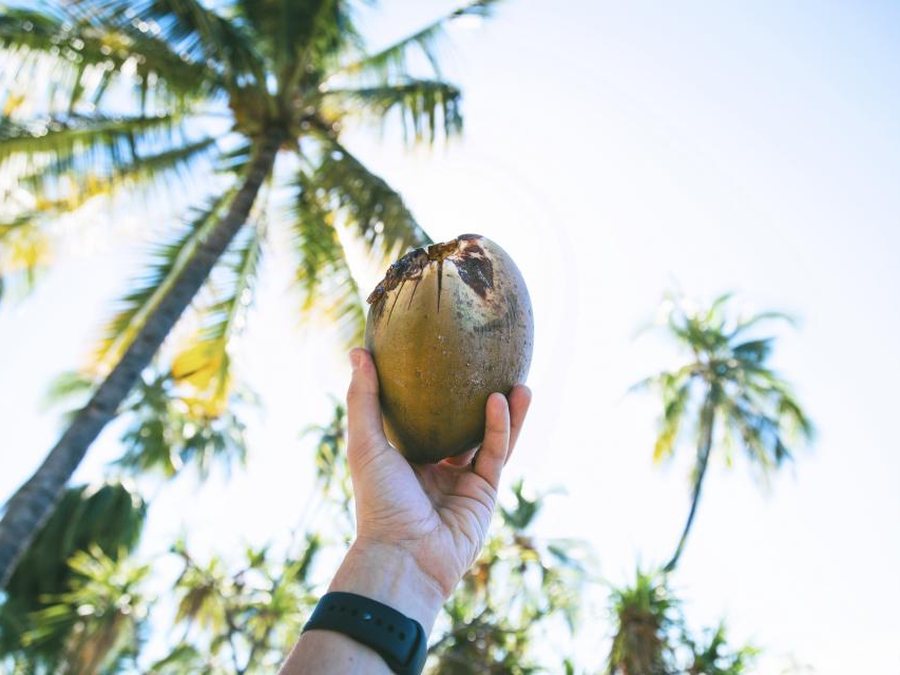
When can babies have coconut?
From around 6 months as an ingredient — tinned coconut milk in a curry, coconut yogurt, finely ground coconut mixed into porridge. Not as a milk substitute at any age without dietetic supervision.
How do you serve coconut to a baby?
The shape is what makes a food safe, and it changes as your baby’s grip and chewing change. Find your baby’s age band.
-
6–8 months
Tinned coconut milk in cooking, or finely ground desiccated coconut stirred into porridge or used to coat slippery banana and avocado.
-
9–11 months
Coconut yogurt (check it is fortified), coconut milk in curries and purées.
-
12–18 months
Coconut in baking, curries and porridge. Flaked coconut still finely chopped.
-
24 months+
Larger flakes and fresh coconut pieces from around 4 years.
Prep tip
Finely ground desiccated coconut is an excellent grip coating for avocado, banana and mango — it solves the slipperiness problem and adds calories.
Storage
Opened tinned coconut milk keeps three days refrigerated. Desiccated coconut keeps months sealed but can go rancid — smell it before use.
Is coconut a choking hazard for babies?
Fresh coconut flesh is hard and fibrous and is a choking hazard — it should not be given in pieces to a young child. Desiccated and flaked coconut is dry and can stick; use it finely ground or mixed into wet food. Tinned coconut milk and coconut yogurt carry no risk.
Whatever you serve, stay within arm’s reach, keep your baby upright in a supportive seat, and never let them eat in a moving car, buggy or carrier. Gagging is loud and normal. Choking is silent.
Is coconut a common allergen?
Coconut is classified as a tree nut by the US FDA for labelling purposes, but botanically it is a drupe and most people with tree nut allergies tolerate it. If your child has a diagnosed tree nut allergy, ask your allergist before introducing coconut rather than assuming either way.
Is coconut healthy for babies?
Coconut adds fat and calories, which is useful for a baby eating small volumes, and finely ground desiccated coconut makes a good grip coating for slippery fruit. Its protein content is very low, which is why coconut drinks are a poor substitute for milk.
| Saturated fat | Very high |
|---|---|
| Fibre | High |
| Manganese | Very high |
| Protein | Low |
| Iron per serving | ~0.5 mg |
Common questions about coconut
Can coconut milk replace cow's milk for my baby?
No. Coconut milk drink contains almost no protein and is not nutritionally comparable to cow's milk or formula. If dairy is out, a fortified soy drink is the closest match, and it is worth planning with a dietitian.
Is coconut a tree nut allergen?
The FDA labels it as one, but it is botanically unrelated and most tree-nut-allergic children tolerate it. Check with your allergist rather than guessing.
Guides for this food
Reference material
Guidance on this page follows the sources listed below.
Foods parents look at next
Dairy & eggs
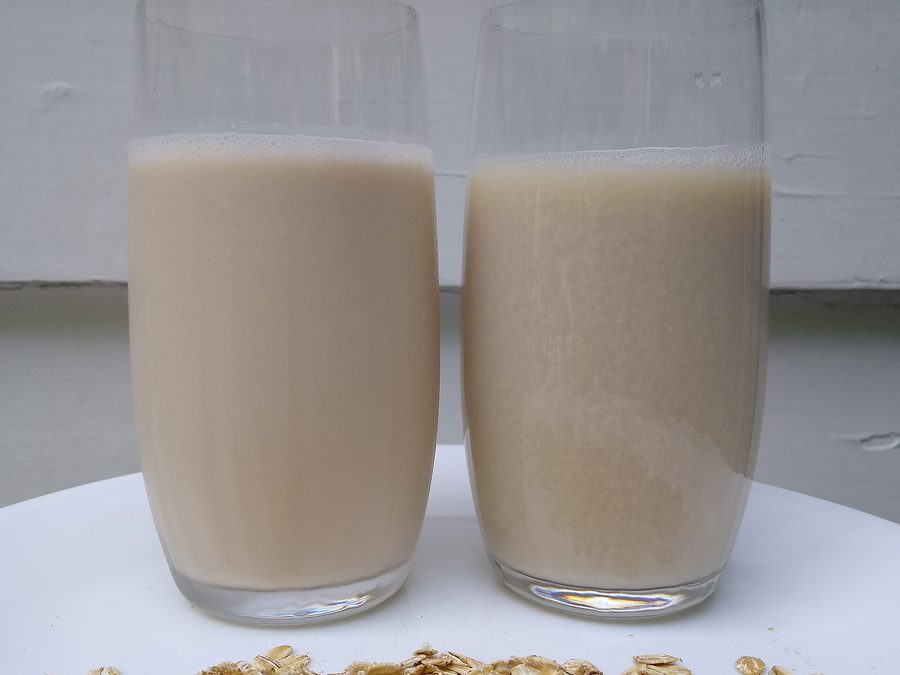
Oat milk
Fine in cooking, not a substitute for milk — the protein is not there.
Dairy & eggs
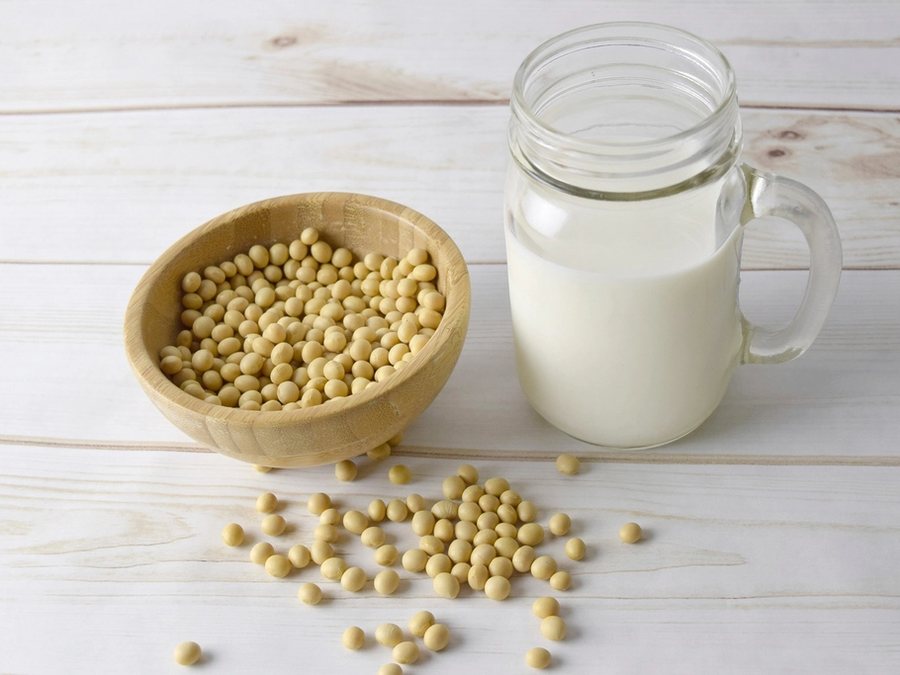
Soy milk
The only plant milk that comes close to cow's milk on protein.
Dairy & eggs
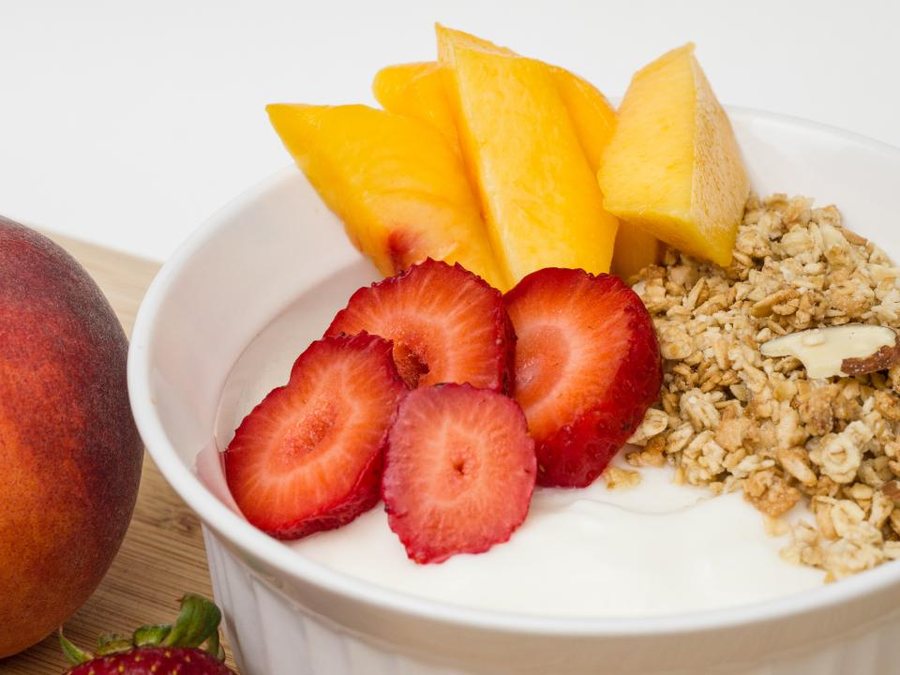
Yogurt
Plain whole-milk yogurt is fine from 6 months — long before cow's milk as a drink.

Fruit
Mango
Sweet, soft and packed with vitamin C — serve it with an iron food and it earns its place twice.