 FirstNom
Dairy & eggs
Kefir for babies
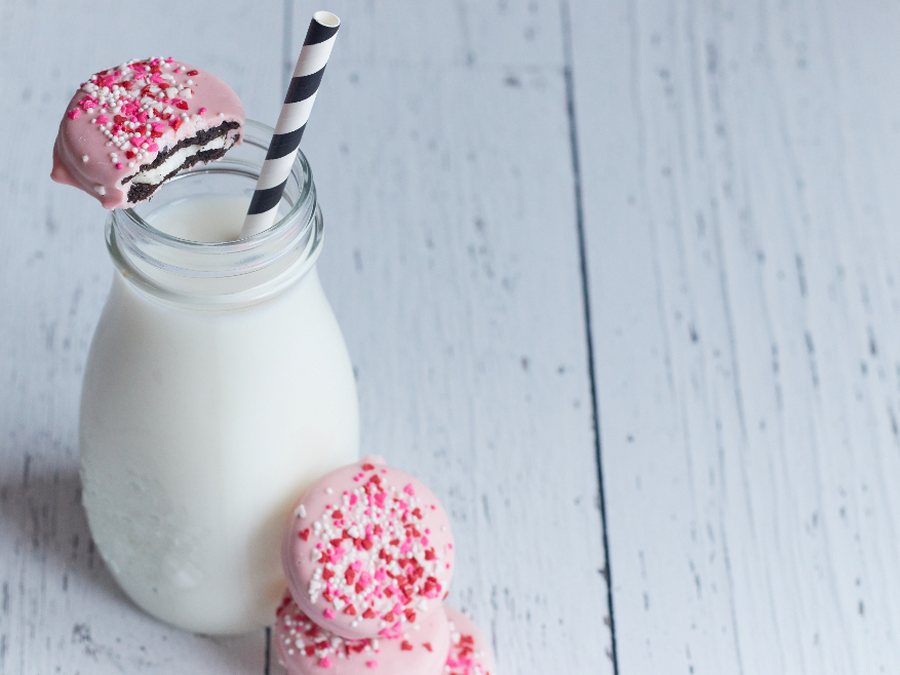
Kefir is fermented milk with a wider range of live cultures than yogurt. It is thinner, tarter, and a good way to get dairy into a baby who refuses a spoon.
When can babies have kefir?
From around 6 months as a food, in small amounts — the same logic as yogurt, where fermentation makes the milk easier to handle than cow's milk as a drink. Plain, unsweetened, full-fat.
How do you serve kefir to a baby?
The shape is what makes a food safe, and it changes as your baby’s grip and chewing change. Find your baby’s age band.
-
6–8 months
A few spoonfuls, or stirred into porridge or fruit purée. Not as a drink replacing milk feeds.
-
9–11 months
In a small open cup as part of a meal, or stirred into food.
-
12–18 months
As a drink with meals, or in smoothies. Plain, not the sweetened flavoured versions.
-
18–24 months
As the family drinks it. Check the sugar on flavoured kefirs.
Prep tip
Plain kefir is genuinely tart. Blending it with banana or mango takes the edge off without adding sugar.
Storage
Refrigerate. It continues fermenting slowly and gets tarter over time, which is normal.
Is kefir a choking hazard for babies?
No choking risk. Because it is drinkable, watch the volume — large amounts of any milk product displace iron-rich food.
Whatever you serve, stay within arm’s reach, keep your baby upright in a supportive seat, and never let them eat in a moving car, buggy or carrier. Gagging is loud and normal. Choking is silent.
Is kefir a common allergen?
Kefir is a milk product. Milk is one of the nine common allergens. Fermentation reduces lactose but does not remove the milk proteins, so it is not suitable for cow's milk protein allergy.
Is kefir healthy for babies?
Kefir carries a broader range of live bacterial and yeast cultures than yogurt, and fermentation reduces its lactose. Nutritionally it is close to yogurt — high calcium, good protein, B12. The evidence for probiotic benefit in healthy babies is thinner than the marketing, but as a dairy food it is sound.
| Calcium | Very high |
|---|---|
| Protein | High |
| Live cultures | Very high |
| Vitamin B12 | Good source |
| Vitamin K2 | Some |
| Iron per serving | ~0.1 mg |
Common questions about kefir
Is kefir better than yogurt?
More diverse cultures and less lactose. Nutritionally similar otherwise. Whether that translates into a health difference for a healthy baby is not well established.
Can kefir replace milk?
As a food, it is a dairy serving. It should not replace breast milk or formula in the first year, and it should not become a large-volume drink that displaces solid food.
Guides for this food
Reference material
Guidance on this page follows the sources listed below.
Foods parents look at next
Dairy & eggs
Yogurt
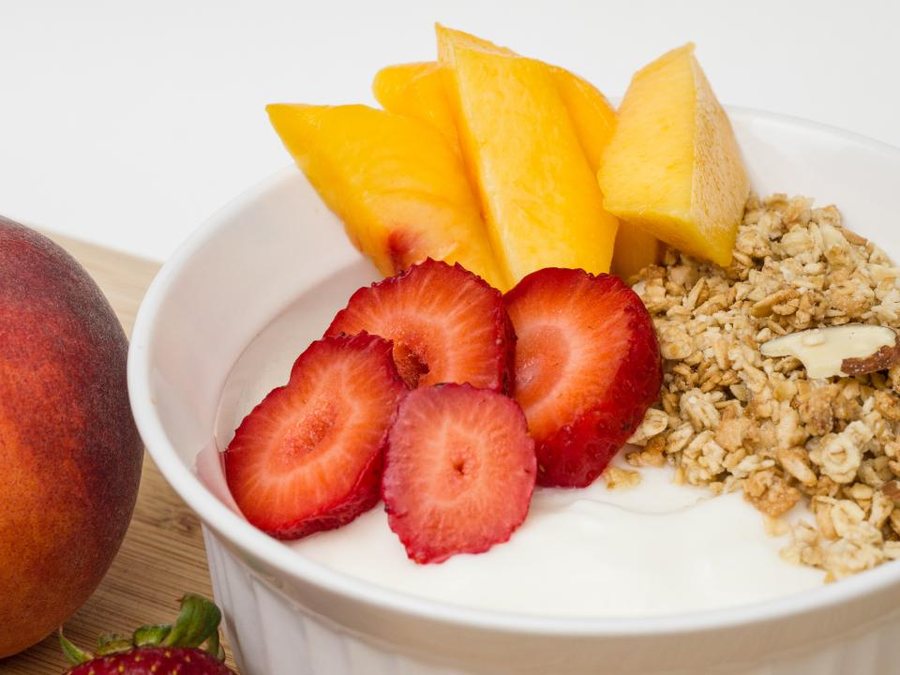
Plain whole-milk yogurt is fine from 6 months — long before cow's milk as a drink.
Dairy & eggs
Cottage cheese
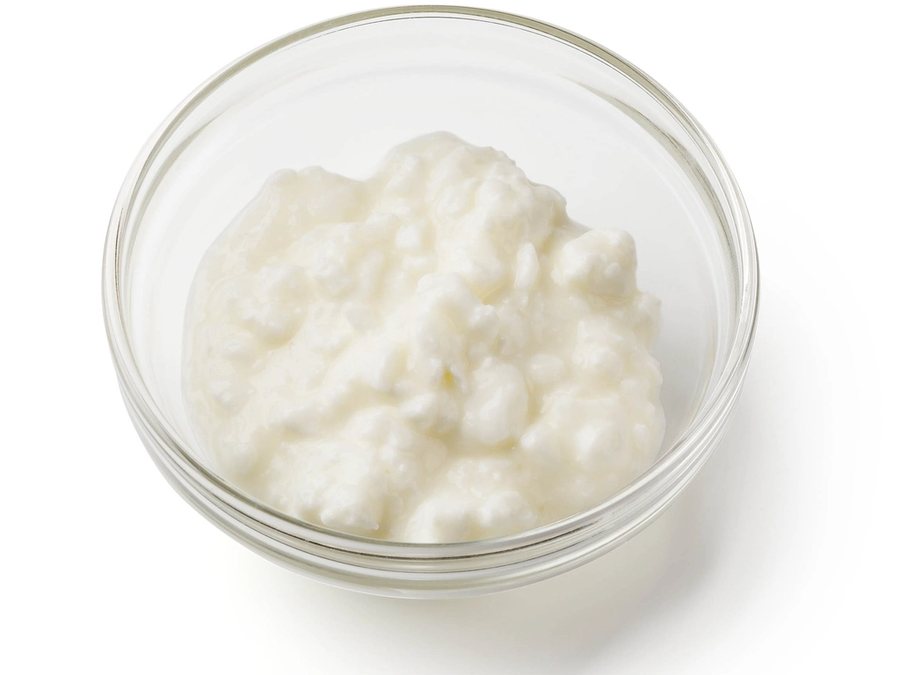
Soft, high in protein and much lower in salt than hard cheese.
Dairy & eggs
Cheese
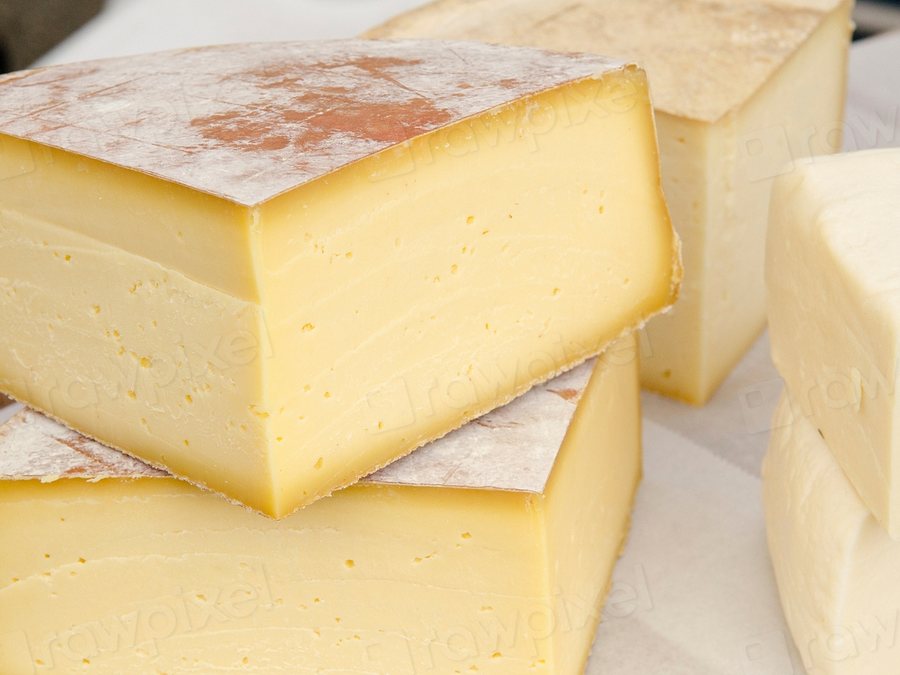
Calcium, fat and protein in one — the trick is picking a low-salt one and cutting it right.
Wait a while
Cow's milk as a drink
Not as a main drink before 12 months — but fine in food from 6 months.