 FirstNom
Fruit
Pomegranate for babies
Pomegranate arils look baby-sized and harmless, but each one contains a hard seed. Under about 4 years they need crushing or juicing rather than serving whole.
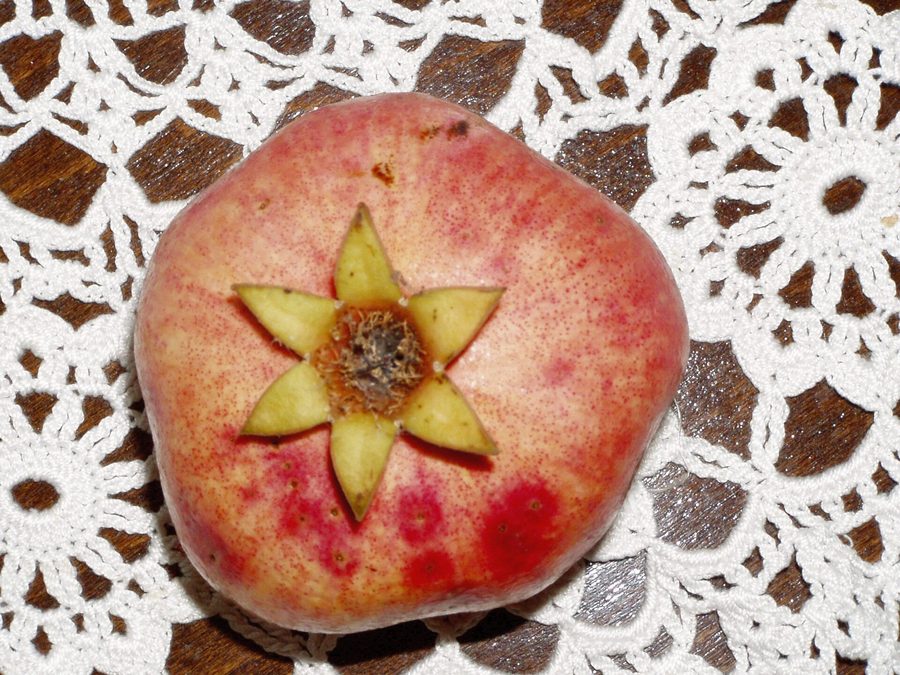
When can babies have pomegranate?
From around 6 months, crushed or blended and sieved. Whole arils from around 4 years.
How do you serve pomegranate to a baby?
The shape is what makes a food safe, and it changes as your baby’s grip and chewing change. Find your baby’s age band.
-
6–8 months
Crush the arils with the back of a spoon and stir the pulp and juice into yogurt or porridge, sieving out the hard seeds.
-
9–11 months
Crushed arils in yogurt.
-
12–18 months
Crushed or halved arils. Whole ones are still a hazard.
-
24 months+
Whole arils from around 4 years.
Prep tip
Cut the pomegranate in half and whack the back with a wooden spoon over a bowl — the arils fall straight out and it takes a fraction of the time.
Storage
Whole fruit keeps weeks refrigerated. Arils keep three days in a sealed container and freeze well.
Is pomegranate a choking hazard for babies?
Each aril is a small, round, firm-skinned package containing a hard seed — a combination that sits high on the hazard list. For babies and toddlers, crush the arils and serve the pulp and juice, or blend them into yogurt and sieve. Whole arils from around 4 years.
Whatever you serve, stay within arm’s reach, keep your baby upright in a supportive seat, and never let them eat in a moving car, buggy or carrier. Gagging is loud and normal. Choking is silent.
Is pomegranate a common allergen?
Pomegranate is not one of the nine most common food allergens. Any food can trigger a reaction, though, so offer it on its own the first time and watch for hives, vomiting, swelling or a change in breathing over the next two hours.
Is pomegranate healthy for babies?
Pomegranate is exceptionally high in polyphenols and carries useful vitamin K and C. It is a treat fruit rather than a staple, and its preparation requirement means it will never be an everyday food for a baby.
| Vitamin C | Good source |
|---|---|
| Vitamin K | High |
| Polyphenols | Very high |
| Fibre | Good source |
| Iron per serving | ~0.2 mg |
Common questions about pomegranate
Can babies eat pomegranate seeds?
Not whole. The hard inner seed inside each aril makes them a choking risk for children under about 4. Crush and sieve them, or blend them into yogurt.
Is pomegranate juice okay?
The AAP advises no juice before 12 months and limited amounts after. Crushed whole arils give the same nutrients with the fibre.
Guides for this food
Reference material
Guidance on this page follows the sources listed below.
Foods parents look at next
Fruit
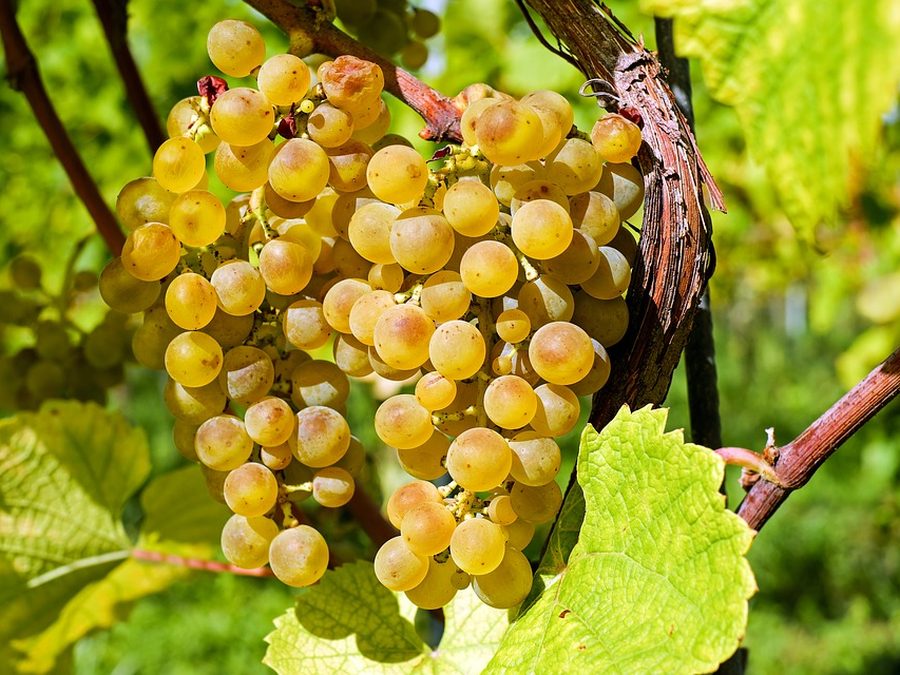
Grape
The single most-cited choking hazard in child feeding. Quarter them lengthways, every time.
Fruit
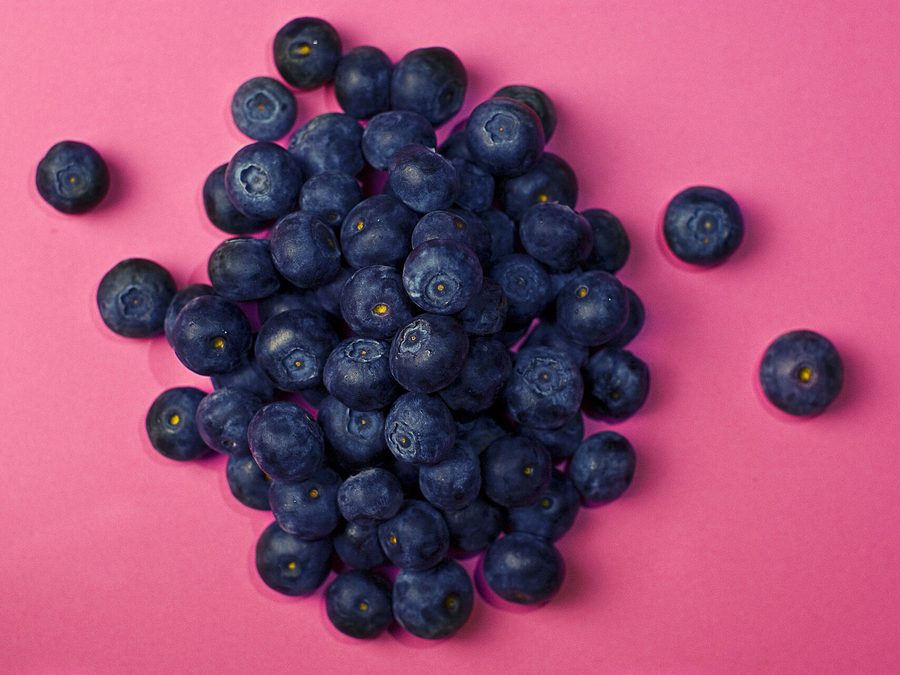
Blueberries
Squash them. A whole blueberry is exactly the shape that causes trouble.
Fruit
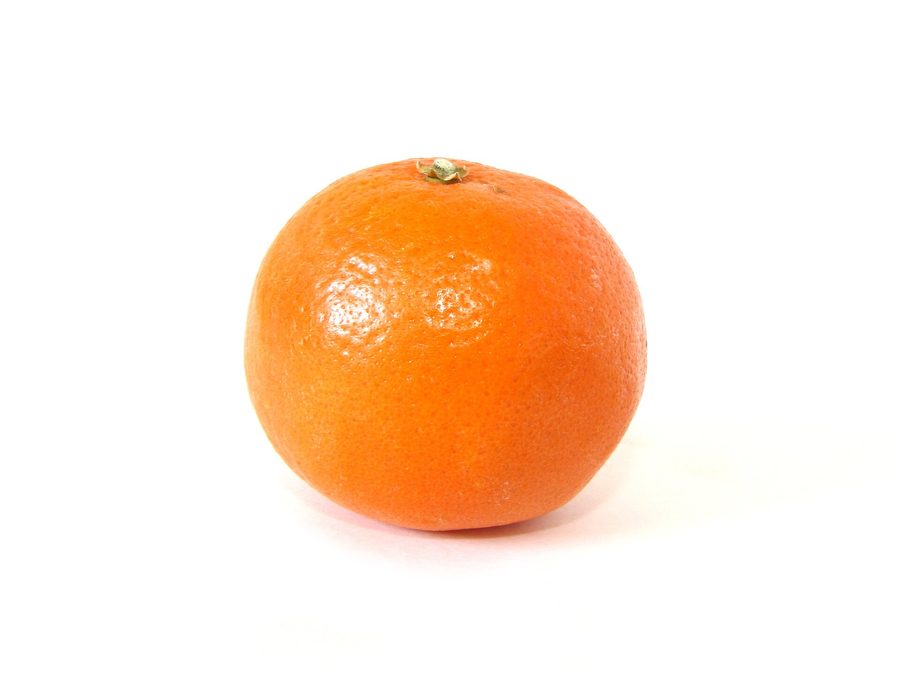
Orange
Vitamin C for iron absorption — segment it, membrane and all removed.
Dairy & eggs
Yogurt
Plain whole-milk yogurt is fine from 6 months — long before cow's milk as a drink.