 FirstNom
Nutrition
Salt, Sugar and Honey: What to Actually Keep Out of Baby Food
A baby's daily salt limit is under 1 g, and bread, cheese and stock will eat through it before you notice. Here is where it hides and what the real rules are.
· 5 min read
Three things are genuinely restricted in a baby’s diet. Everything else — garlic, spices, citrus, herbs, chilli in moderation — is fine and arguably beneficial.
Salt: under 1 gram a day
A baby’s kidneys cannot process much sodium. The guidance is less than 1 g of salt a day up to 12 months, and no more than 2 g a day from 1 to 3 years. For reference, 1 g of salt is about 0.4 g of sodium — a fifth of a teaspoon.
That number is small enough that it is easy to blow through without adding a grain.
Where it hides:
| Food | Typical salt |
|---|---|
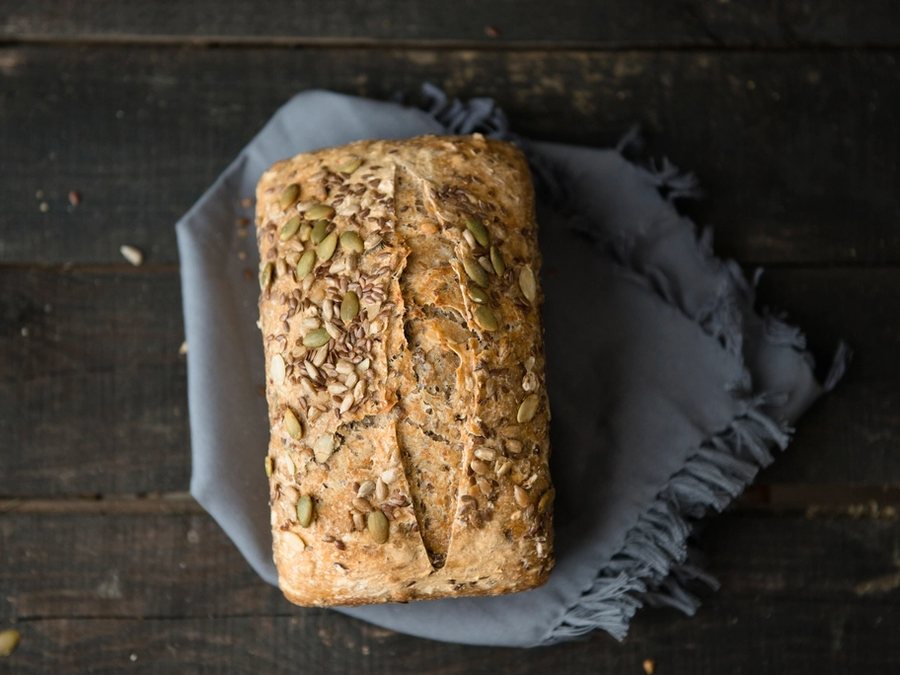
| One slice of bread | 0.4–0.5 g |
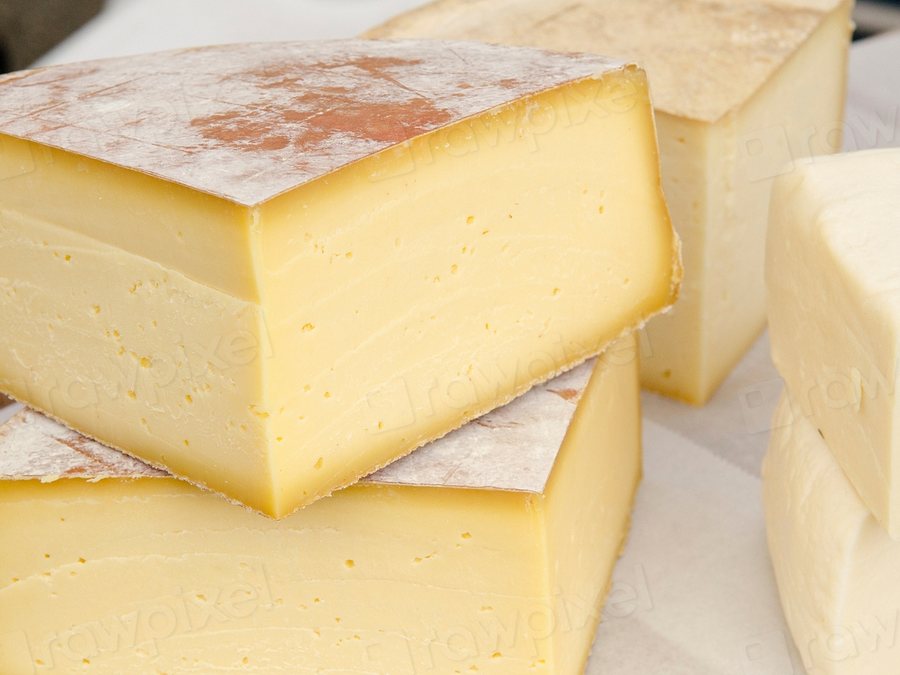
| 20 g cheddar | ~0.35 g |
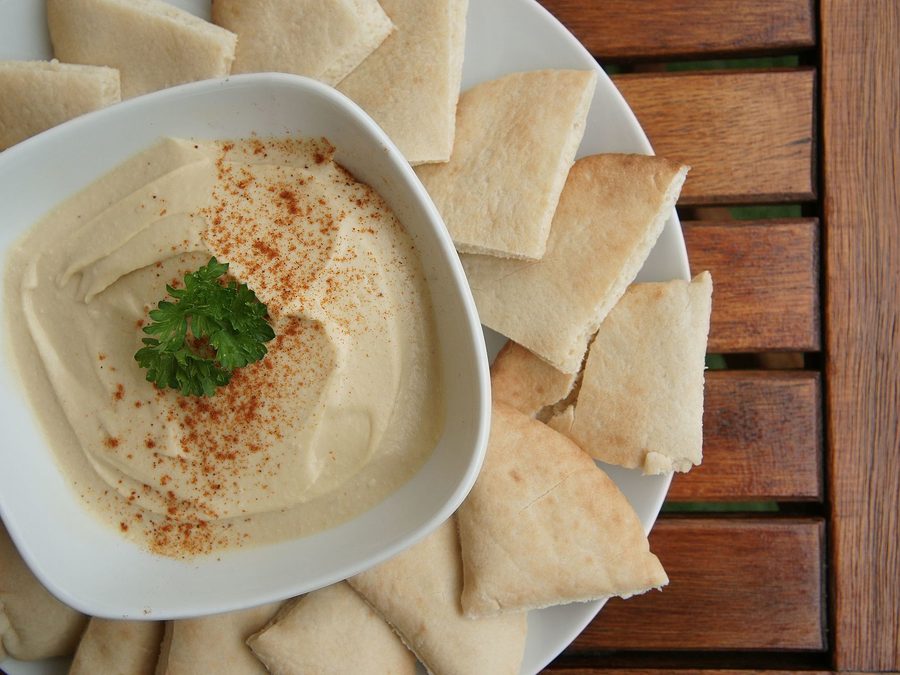
| Shop-bought hummus, 50 g | ~0.5 g |
| One stock cube in a pot | 4–6 g total |
| A rasher of bacon | ~0.9 g |
| Two crackers | 0.2–0.3 g |
Toast with cheese for lunch can be most of an under-1’s daily allowance in one meal.
What to do about it, practically:
- Cook without salt and season your own portion at the table.
- Use unsalted or home-made stock. Shop-bought cubes are the single biggest offender.
- Grate cheese into food rather than serving a portion alongside — the flavour spreads further so less does the job.
- Rinse tinned beans, lentils and vegetables thoroughly.
- Choose ricotta, mozzarella, cottage cheese or paneer over cheddar, feta or halloumi.
- Skip processed meats — bacon, ham, sausages, deli slices — in the first year.
What to use instead: herbs, garlic, onion, lemon, black pepper, cinnamon, cumin, paprika. A light grating of parmesan is a genuinely useful savoury hit where you control the amount precisely. Bland food is not a goal — a baby fed bland food learns to expect it.
Sugar: the distinction that matters
Not all sugar counts the same way, and the language is confusing.
Free sugars — added sugar, honey after 12 months, syrups, and the sugar in fruit juice — are what guidance restricts. The UK recommends none at all under 2 years, and the WHO advises against added sugar in food for infants and young children.
Intrinsic sugars — the sugar inside whole fruit, vegetables and milk — are not restricted. It comes packaged with fibre, water and micronutrients, and it behaves quite differently in the body.
So mango is fine. Dates blended into a pancake batter are fine. Fruit juice is not, and the AAP recommends no juice at all before 12 months, and no more than about 120 ml a day after.
Where added sugar hides in baby food:
- Flavoured yogurts, which routinely carry 10 g or more per pot. Buy plain and add fruit.
- Baby snack pouches and cereal bars, including many marketed as healthy.
- Fruit pouches, where the fruit has been puréed to the point that the sugar behaves like juice.
- Rusks and teething biscuits.
- Breakfast cereals aimed at toddlers.
Useful natural sweeteners: mashed banana, grated apple, date paste, and a pinch of cinnamon, which makes food taste sweeter without being sweet.
Teeth matter here too. Dried fruit — raisins, dates, apricots — sticks to enamel and is more cariogenic than fresh fruit. Serve it with a meal rather than as a standalone snack.
Honey: an absolute rule until 12 months
Honey is different from salt and sugar because it is not about moderation. It is a hard line.
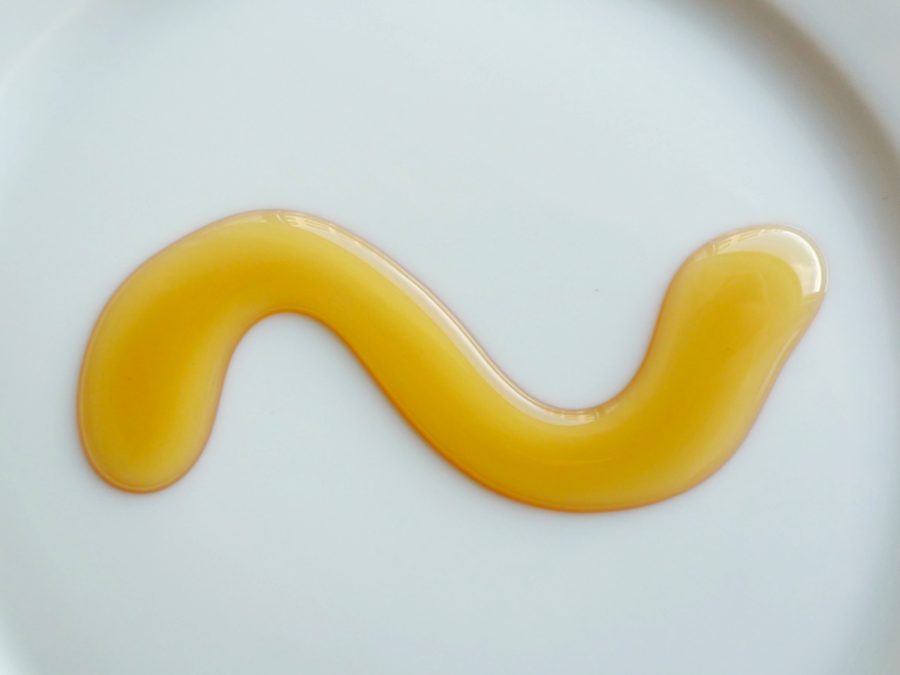
Honey can carry spores of Clostridium botulinum. In an older child or adult, gut flora prevent those spores from germinating. In a baby under 12 months, they can germinate and produce a toxin, causing infant botulism — a serious illness that can cause muscle weakness, poor feeding and breathing difficulty.
The rule covers every form:
- Raw honey and pasteurised honey — pasteurisation does not destroy the spores.
- Honey baked into bread, cake or biscuits — baking does not destroy them either.
- Honey-flavoured cereals, granola, yogurts and snack bars.
- Manuka honey, which is not an exception.
- Honey on a dummy for teething, which is an old remedy that should not be used.
Read labels. Honey turns up in a lot of products where you would not expect it.
If your baby accidentally has honey: most exposures cause no problem at all. Watch over the following days for constipation, unusual floppiness or weak movements, a weak cry, poor feeding, or drooping eyelids, and contact your doctor immediately if any of those appear.
After the first birthday, honey is safe — and it is then just another free sugar, subject to the same guidance as any other.
What is not restricted
Worth stating plainly, because these questions come up constantly:
- Spices. Cinnamon, ginger, turmeric, cumin, paprika — all fine from 6 months.
- Garlic and onion. Fine, cooked, from 6 months.
- Citrus. Fine. The red ring around the mouth is contact irritation from acidity, not an allergy.
- Herbs. All of them. They are the main tool you have for making food taste of something without salt.
- Fat. Babies need a high-fat diet — around half of the calories in breast milk come from fat. Full-fat dairy, olive oil, butter and avocado all belong. Low-fat products are for adults.
The goal is not bland food. It is food that tastes good without salt, sugar or honey — which is most food, cooked properly.
Questions parents ask
How much salt can a baby have?
Under 1 g of salt a day (about 0.4 g of sodium) up to 12 months, and no more than 2 g a day from 1 to 3 years. That is very little — a slice of bread and a small portion of cheddar can approach the whole daily allowance for an under-1.
Why is honey unsafe before 12 months?
Honey can carry Clostridium botulinum spores. An older gut prevents them germinating; an immature infant gut does not, and the resulting toxin causes infant botulism. Cooking and baking do not reliably destroy the spores, so the rule covers honey in any form.
Is fruit sugar a problem for babies?
No. The sugar in whole fruit comes with fibre, water and vitamins, and infant guidance does not restrict whole fruit. What is restricted is free sugars — added sugar, syrups, honey after 12 months, and fruit juice, where the sugar has been separated from the fibre.