 FirstNom
Nuts & seeds
Cashew butter for babies
Cashew is worth introducing deliberately rather than by accident: it is a common trigger among tree nuts, and reactions to it tend to be more pronounced.
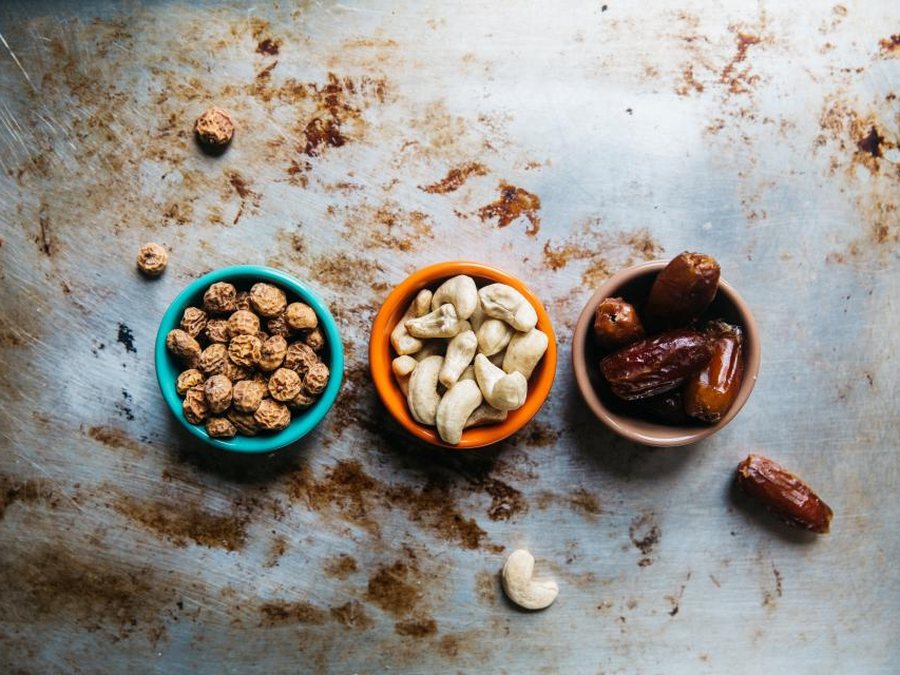
When can babies have cashew butter?
From around 6 months, thinned, ideally introduced separately from almond so you know which nut is which if a reaction appears.
How do you serve cashew butter to a baby?
The shape is what makes a food safe, and it changes as your baby’s grip and chewing change. Find your baby’s age band.
-
6–8 months
Thin with warm water or milk until pourable; stir into porridge or purée, or spread paper-thin on toast.
-
9–11 months
Thin layers on toast, in yogurt, blended into smoothies.
-
12–18 months
Thinly spread, in sauces, or blended into a dairy-free cream for pasta.
-
24 months+
Whole cashews from around 4 years.
Prep tip
Cashew butter blends into a smooth, mild sauce with just water — a useful base for pasta or vegetables if dairy is out.
Storage
Refrigerate after opening. It sets firm when cold; warm it slightly before thinning.
Is cashew butter a choking hazard for babies?
As with all nut butters, thin it before serving and never offer a spoonful of thick paste. Whole cashews are a choking hazard until at least 4 years.
Whatever you serve, stay within arm’s reach, keep your baby upright in a supportive seat, and never let them eat in a moving car, buggy or carrier. Gagging is loud and normal. Choking is silent.
Is cashew butter a common allergen?
Cashew is among the tree nuts most associated with significant reactions, and cashew allergy commonly travels with pistachio, which is botanically close. Introduce it on its own, at home, earlier in the day, with two hours of watching, and not on the same day as another new allergen.
Is cashew butter healthy for babies?
Cashew butter is creamier and milder than almond, which makes it an easy sell, and it carries more iron, zinc and copper. Blended with water it makes a passable dairy-free cream for sauces, which is useful in a milk-allergic household.
| Healthy fats | Very high |
|---|---|
| Magnesium | High |
| Copper | Very high |
| Zinc | Good source |
| Iron (non-heme) | Good source |
| Iron per serving | ~0.9 mg |
Common questions about cashew butter
Should I introduce almond or cashew first?
Either, but not on the same day. Many parents start with almond because reactions to it are somewhat less common, then introduce cashew a few days later.
Is cashew allergy linked to any other nut?
Pistachio most closely — they are in the same botanical family and often cross-react. Mango is also distantly related, though cross-reaction there is uncommon.
Guides for this food
Reference material
Guidance on this page follows the sources listed below.
Foods parents look at next

Nuts & seeds
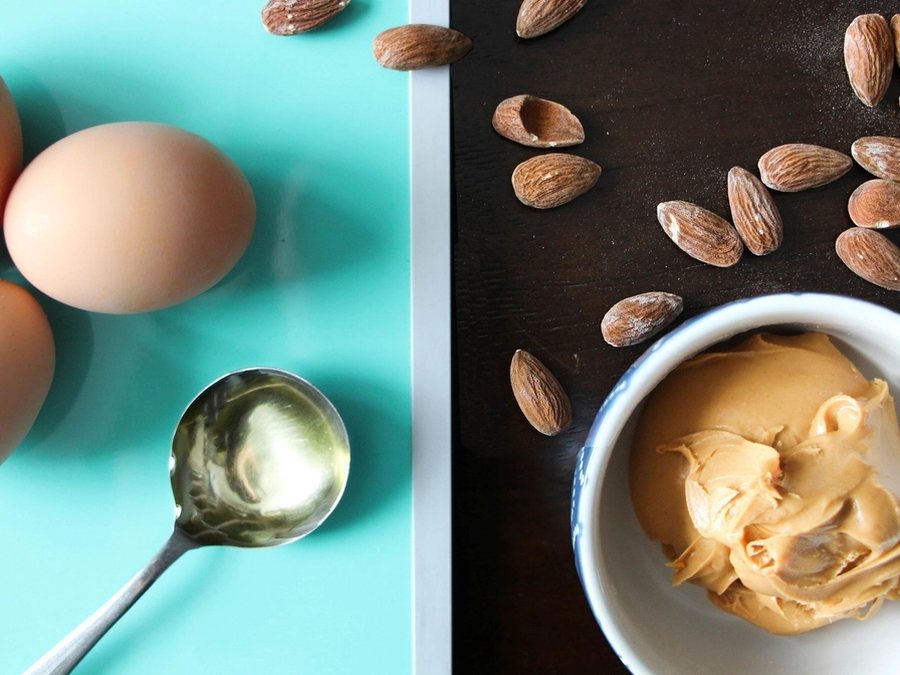
Almond butter
A tree-nut introduction that also happens to be a decent calcium source.
Nuts & seeds
Peanut butter
Early, regular peanut is the single best-evidenced way to reduce the risk of peanut allergy.
Nuts & seeds
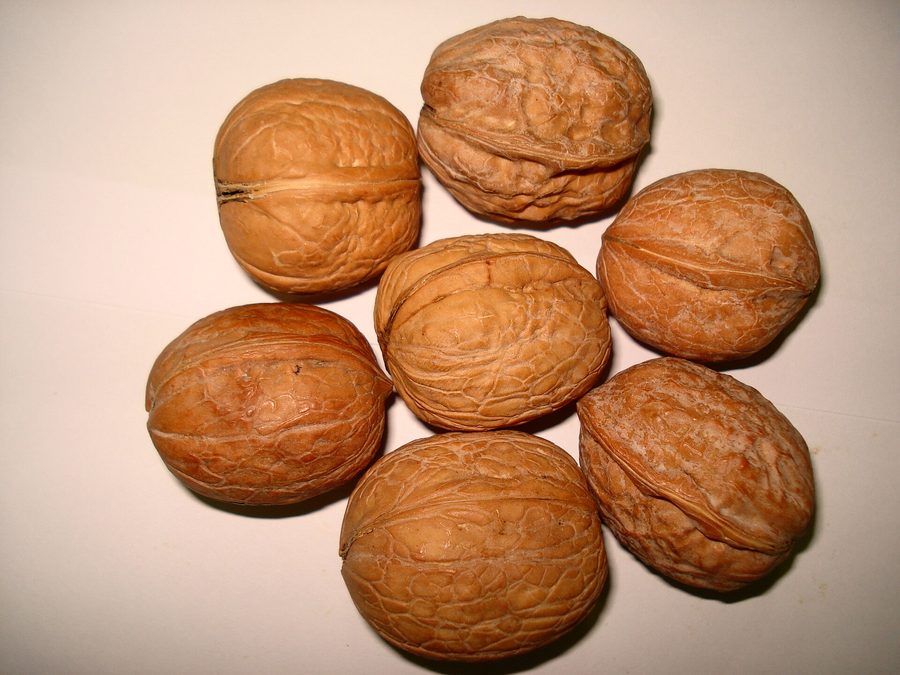
Walnut butter
The best plant source of omega-3 among the nuts.
Beans & legumes
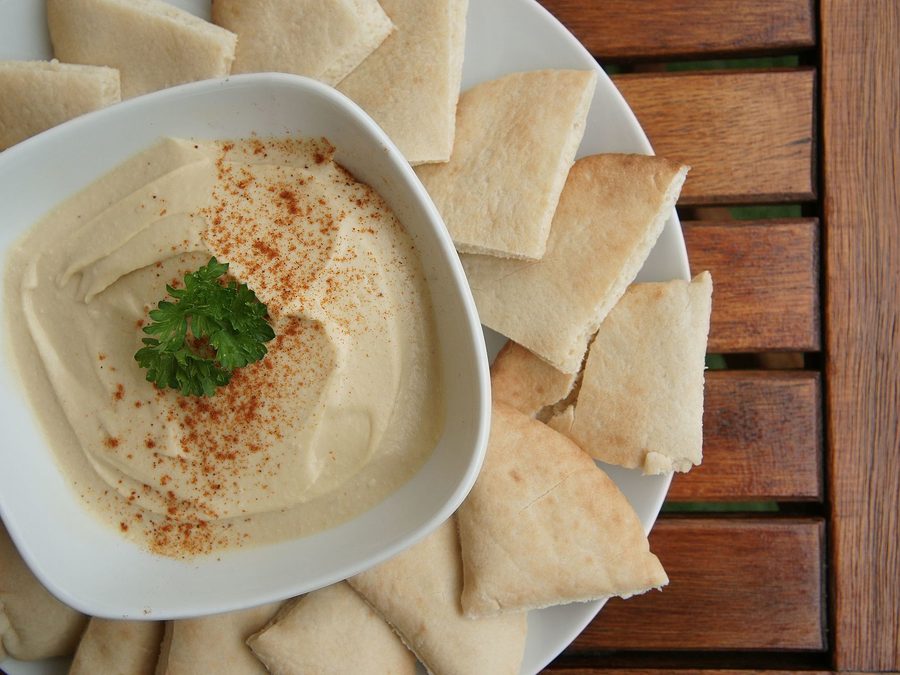
Hummus
Iron, protein and a sesame introduction in one scoopable dip.