 FirstNom
Vegetable
Kale for babies
Kale is the leafy green whose iron and calcium your baby can actually absorb, because unlike spinach it is low in the oxalates that block them.
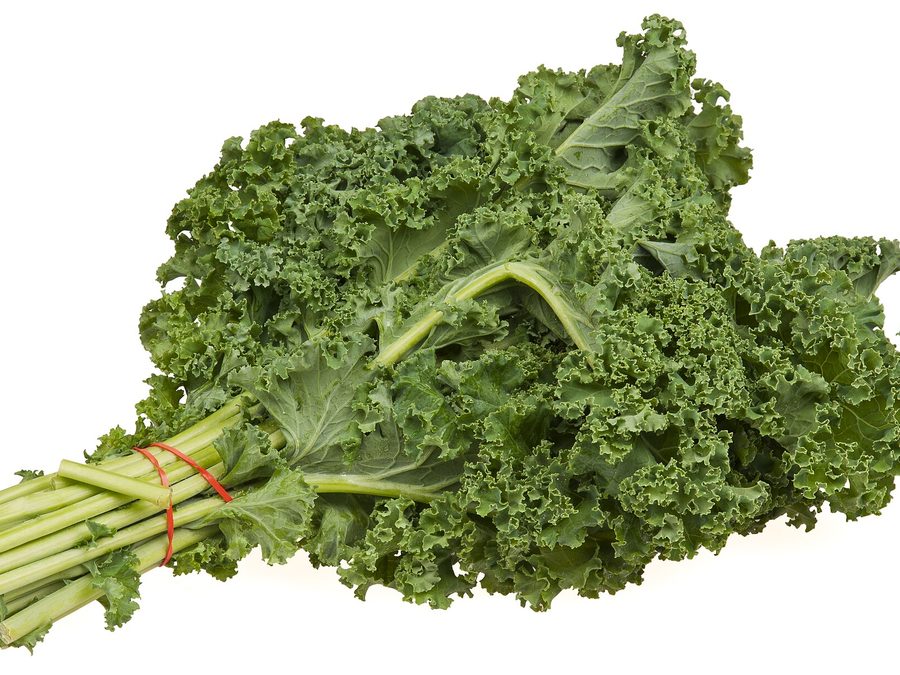
When can babies have kale?
From around 6 months, stems removed, cooked soft and finely chopped or blended.
How do you serve kale to a baby?
The shape is what makes a food safe, and it changes as your baby’s grip and chewing change. Find your baby’s age band.
-
6–8 months
Strip the leaves from the stems, cook until very soft, and chop finely or blend into a purée, pasta sauce or dal.
-
9–11 months
Finely chopped cooked kale in fritters, omelettes or pasta.
-
12–18 months
Chopped cooked kale, blended into pesto, or in soup.
-
18–24 months
Family portions, cooked. Massaged raw kale is still tough for young chewers.
Prep tip
Strip the leaves by holding the stem and pulling the leaf off in one motion. The stems stay fibrous no matter how long you cook them.
Storage
Keeps five days refrigerated. Cooked chopped kale freezes well in portions.
Is kale a choking hazard for babies?
Kale leaves are tough and fibrous even cooked, and can bunch into a wad in the mouth. Remove the stems entirely, cook until very soft, and chop finely for the first year. Kale crisps are dry and shatter into sharp pieces — not suitable for babies.
Whatever you serve, stay within arm’s reach, keep your baby upright in a supportive seat, and never let them eat in a moving car, buggy or carrier. Gagging is loud and normal. Choking is silent.
Is kale a common allergen?
Kale is not one of the nine most common food allergens. Any food can trigger a reaction, though, so offer it on its own the first time and watch for hives, vomiting, swelling or a change in breathing over the next two hours.
Is kale healthy for babies?
Kale is one of the few plant foods where the calcium is genuinely well absorbed — it is low in oxalate, unlike spinach, so a much higher fraction is available. It also carries very high vitamin K, A and C, and a useful amount of iron whose absorption its own vitamin C helps.
| Vitamin K | Extremely high |
|---|---|
| Vitamin C | Very high |
| Vitamin A | Very high |
| Calcium | Good source |
| Iron (non-heme) | Good source |
| Iron per serving | ~0.9 mg |
Common questions about kale
Kale or spinach for iron?
Kale, for absorption. Spinach has more iron on paper but its oxalates bind much of it, and the same is true for its calcium. Kale is much lower in oxalate.
Are kale crisps suitable for babies?
No. They are dry and brittle, they shatter into sharp fragments, and they are usually salted. Cook kale soft instead.
Guides for this food
Reference material
Guidance on this page follows the sources listed below.
Foods parents look at next
Vegetable
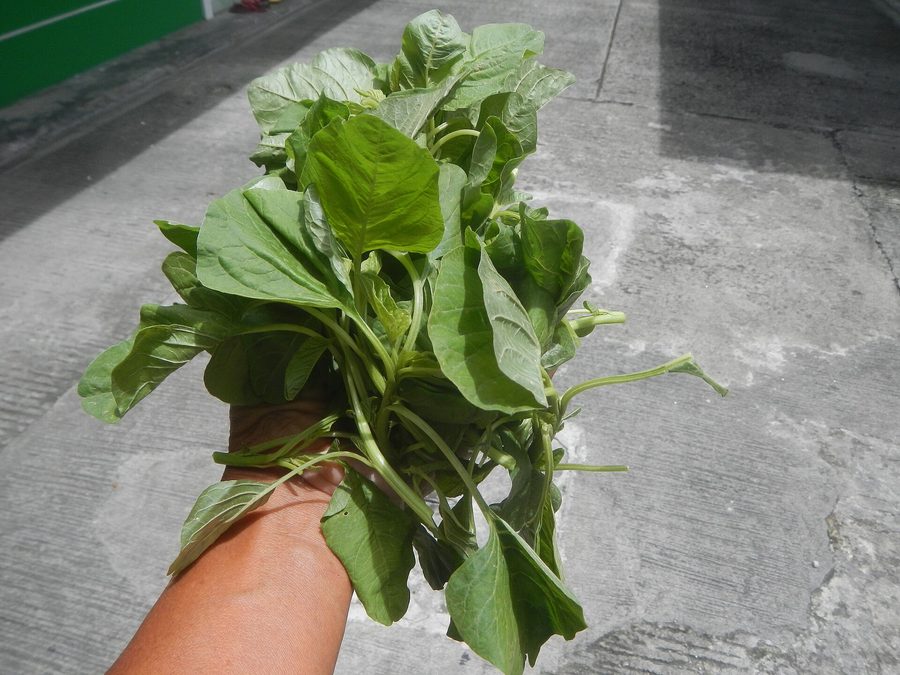
Spinach
Iron and folate in a leaf — but the iron is harder to absorb than the packaging suggests.
Vegetable
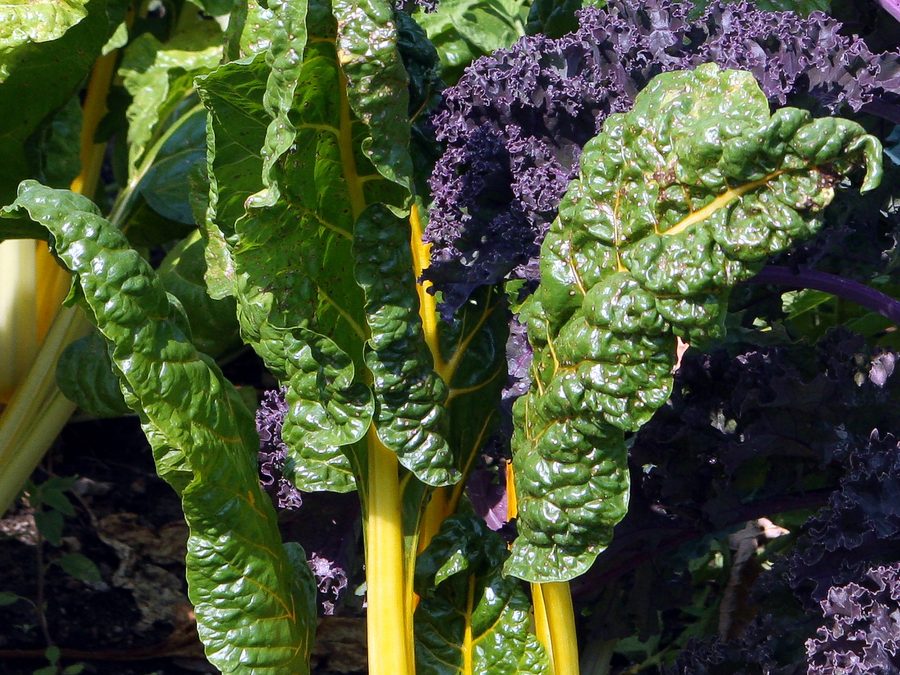
Swiss chard
Colourful, mineral-rich, and high enough in oxalate to keep it in rotation rather than daily.
Vegetable
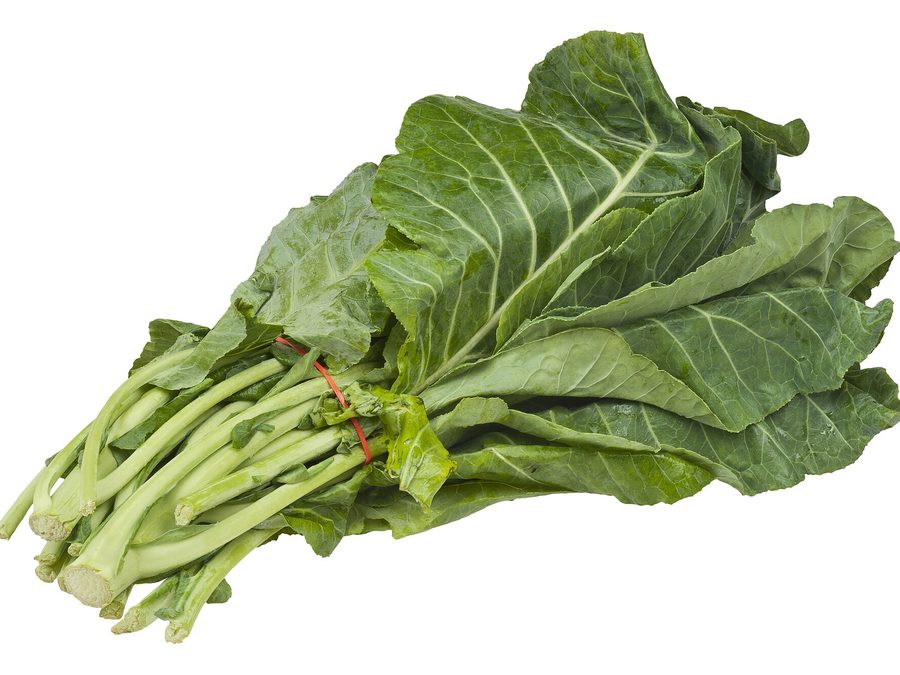
Collard greens
One of the best absorbable calcium sources in the vegetable aisle.
Vegetable
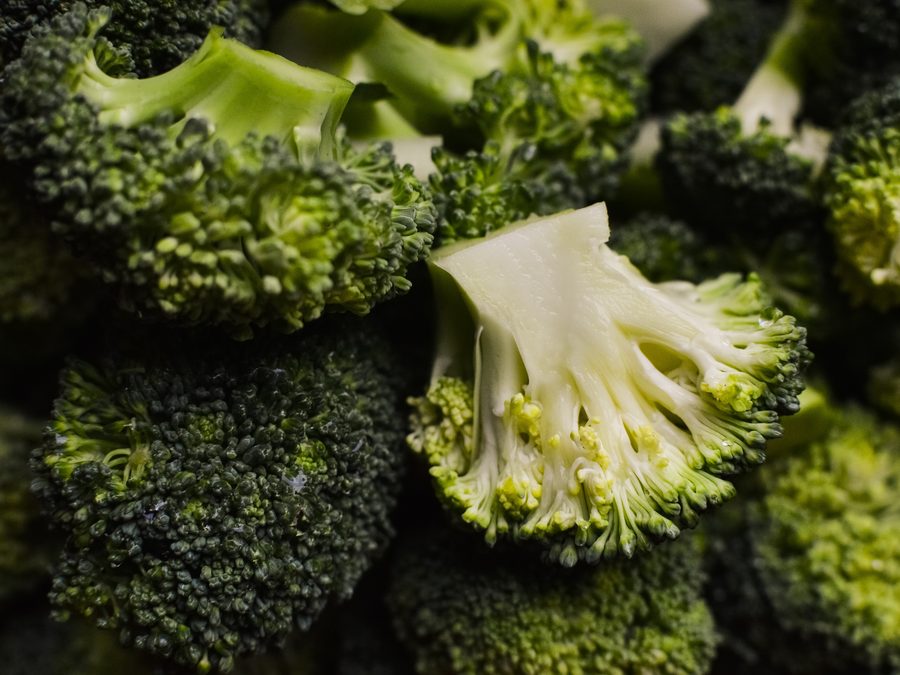
Broccoli
The floret is a built-in handle — one of the easiest green vegetables for a 6-month-old to hold.