 FirstNom
Vegetable
Spinach for babies
Spinach has a bigger reputation for iron than it deserves, because oxalates block most of it. It is still a genuinely good food — just serve it with vitamin C and do not treat it as the iron plan.
When can babies have spinach?
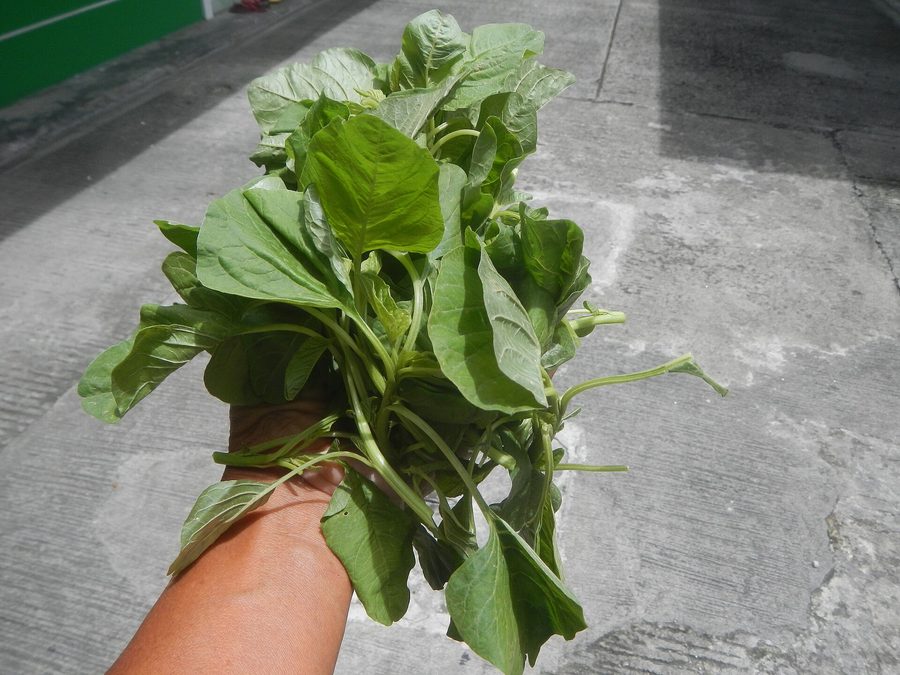
From around 6 months, cooked and finely chopped or blended into another dish. Spinach wilts down to almost nothing, so it is easy to slip into scrambled egg, dal, pasta sauce or a fritter.
How do you serve spinach to a baby?
The shape is what makes a food safe, and it changes as your baby’s grip and chewing change. Find your baby’s age band.
-
6–8 months
Wilt and chop very finely, then stir it through something with body — scrambled egg, mashed potato, dal, or a thick pasta sauce. Spinach on its own is too slippery to be useful at this age.
-
9–11 months
Finely chopped cooked spinach in fritters, omelettes or pasta. Small amounts of finely chopped raw leaf in a dip.
-
12–18 months
Chopped cooked spinach as a side, in a curry, or blended into a green sauce. Raw baby spinach chopped small.
-
18–24 months
Family portions, cooked or raw in salads chopped small.
Prep tip
Spinach loses about 90% of its volume when wilted. A whole bag becomes a couple of tablespoons — cook far more than looks sensible.
Storage
Fresh spinach spoils quickly; use within a few days. Frozen chopped spinach is nutritionally equivalent, far cheaper, and already chopped — it is the better buy for baby food.
Is spinach a choking hazard for babies?
Cooked spinach can clump into a slippery wad that is awkward to manage. Chop it finely after cooking, or blend it into something else. Raw baby spinach leaves are thin and floppy but can stick to the roof of the mouth — chop them small until around 12 months.
Whatever you serve, stay within arm’s reach, keep your baby upright in a supportive seat, and never let them eat in a moving car, buggy or carrier. Gagging is loud and normal. Choking is silent.
Is spinach a common allergen?
Spinach is not one of the nine most common food allergens. Any food can trigger a reaction, though, so offer it on its own the first time and watch for hives, vomiting, swelling or a change in breathing over the next two hours.
Is spinach healthy for babies?
Spinach is exceptional for vitamin K, folate and vitamin A. Its iron content is high on paper, but spinach is also high in oxalates, which bind iron and calcium and substantially reduce how much a body absorbs — so treat it as a bonus rather than the strategy. Pairing it with a vitamin C food helps. Cooking reduces oxalate somewhat and also makes the volume manageable.
| Vitamin K | Very high |
|---|---|
| Folate | Very high |
| Vitamin A | High |
| Iron (non-heme) | Good source |
| Magnesium | Good source |
| Iron per serving | ~1 mg |
Common questions about spinach
Is spinach actually a good iron source for babies?
It contributes, but it is not the answer on its own. Oxalates in spinach bind a large share of its iron. Meat, lentils, beans and iron-fortified cereal do more per serving. Serve spinach alongside a vitamin C food and think of it as folate and vitamin K with iron as a bonus.
Are nitrates in spinach a concern for babies?
This used to be a common warning about spinach, beetroot and carrot for very young infants. Current European and UK guidance does not restrict them for babies over 6 months eating normal amounts as part of a varied diet. Do not reheat cooked spinach repeatedly, and do not build the whole diet around it.
Frozen or fresh spinach?
Frozen, for baby cooking. It is picked and frozen quickly, so nutrients hold up well, it is already chopped, and it costs a fraction of fresh.
Guides for this food
Reference material
Guidance on this page follows the sources listed below.
Foods parents look at next
Vegetable
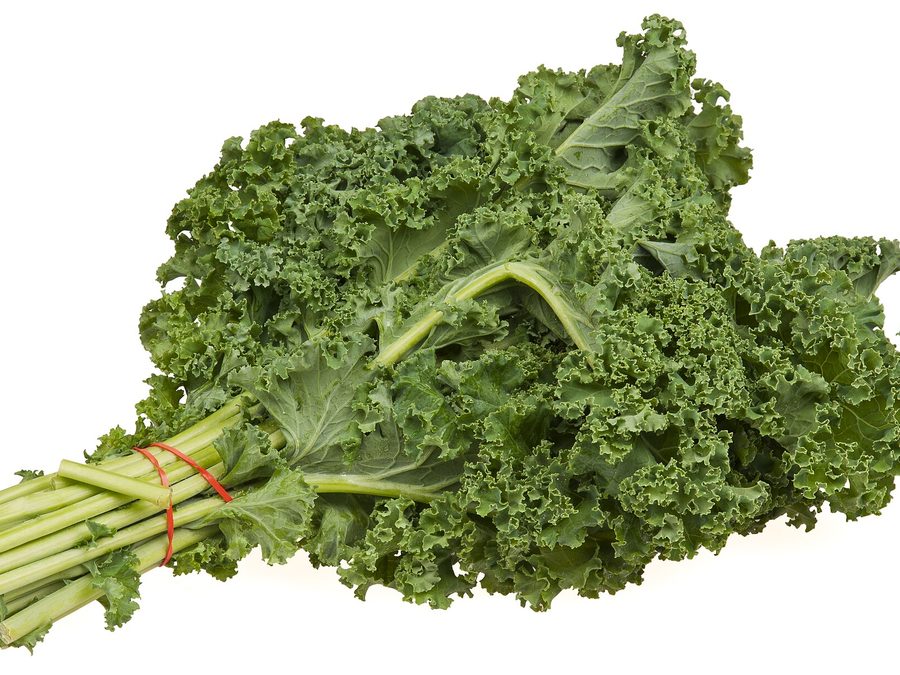
Kale
A dark green with real iron and calcium — and much lower in oxalates than spinach.
Vegetable
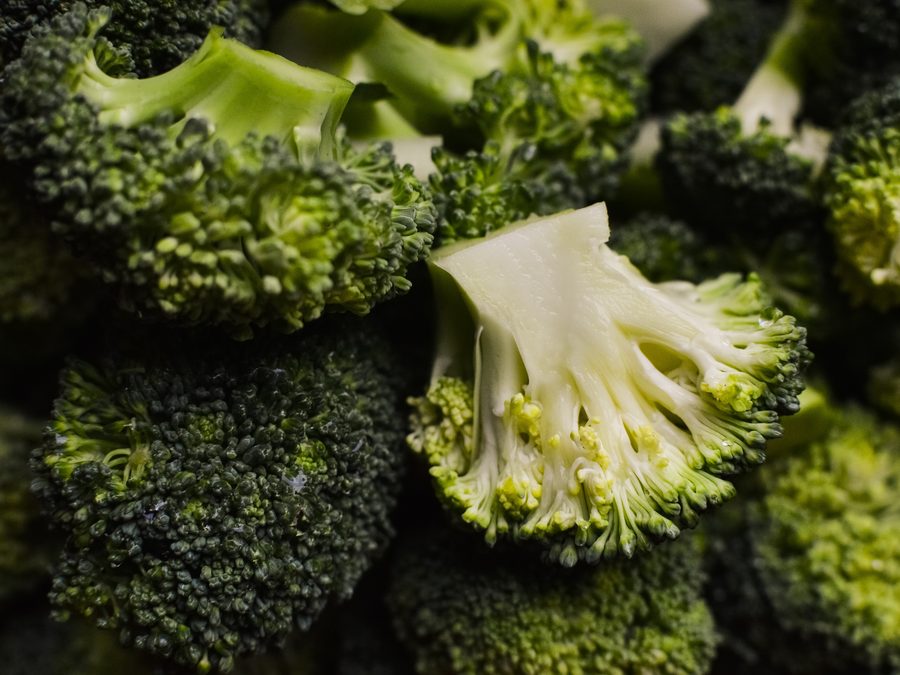
Broccoli
The floret is a built-in handle — one of the easiest green vegetables for a 6-month-old to hold.
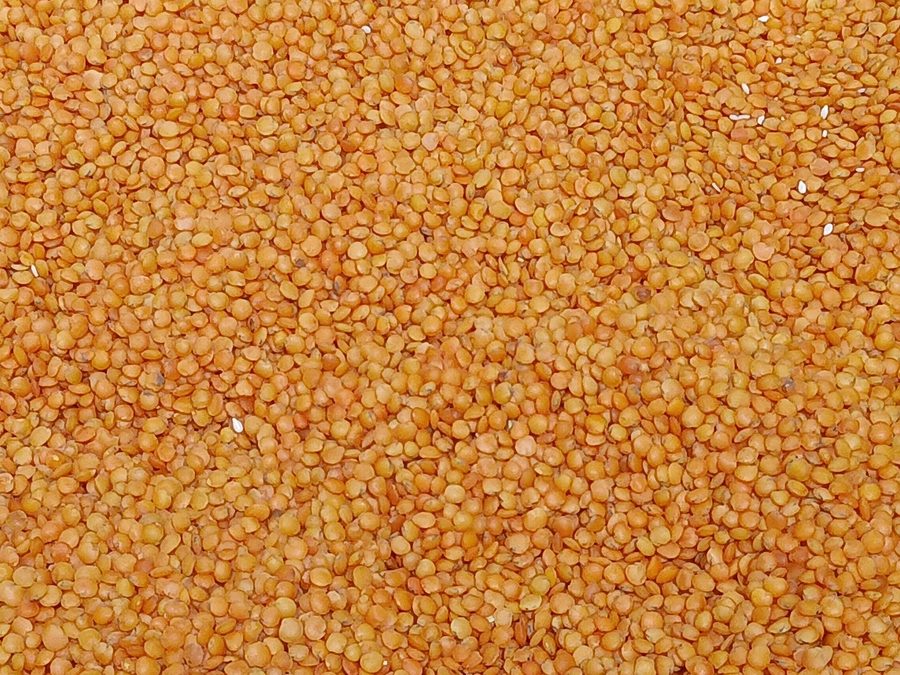
Beans & legumes
Lentils
The best plant iron source for babies — cheap, soft, and it cooks in twenty minutes.
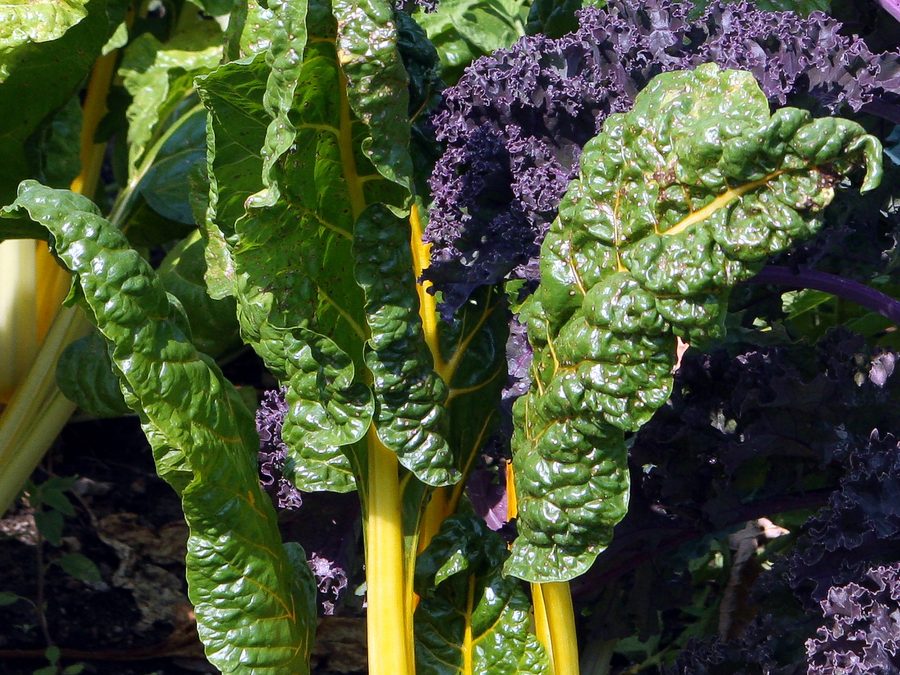
Vegetable
Swiss chard
Colourful, mineral-rich, and high enough in oxalate to keep it in rotation rather than daily.