 FirstNom
Fruit
Prune for babies
If your baby has firmed up since starting solids, prune purée is the first thing to try. It works through sorbitol and fibre, and it works fast.
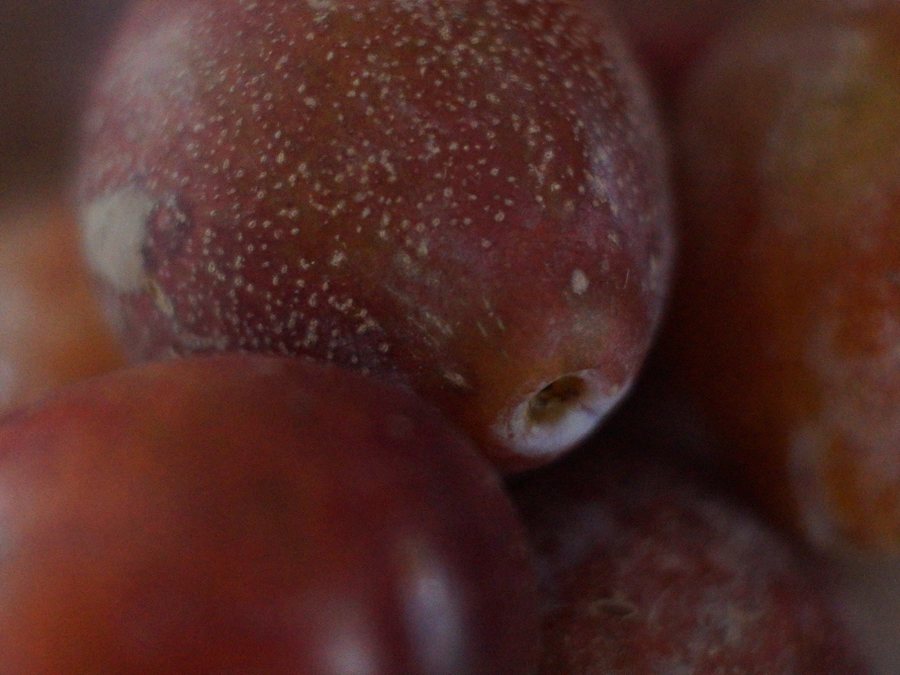
When can babies have prune?
From around 6 months, as a purée. Prune purée is one of the standard first-line remedies for post-weaning constipation, and it is available in jars as well as easily made at home.
How do you serve prune to a baby?
The shape is what makes a food safe, and it changes as your baby’s grip and chewing change. Find your baby’s age band.
-
6–8 months
Stew pitted prunes in water until soft and blend to a purée. Start with one or two teaspoons and see what happens before increasing.
-
9–11 months
Purée stirred into porridge or yogurt, or very finely chopped stewed prunes.
-
12–18 months
Chopped stewed prunes, purée in baking, or prune paste as a sweetener.
-
24 months+
Whole pitted prunes from around 4 years.
Prep tip
Start small — one or two teaspoons. Prune purée is effective, and a generous portion can overshoot into diarrhoea and a sore bottom.
Storage
Prune purée keeps five days refrigerated and freezes in ice-cube portions, which is the practical way to keep a dose on hand.
Is prune a choking hazard for babies?
Whole prunes are sticky, chewy and often contain a pit — a clear hazard for young children. Serve as purée, or stewed and chopped very finely, until around 4 years. Always check for pits even in 'pitted' packs.
Whatever you serve, stay within arm’s reach, keep your baby upright in a supportive seat, and never let them eat in a moving car, buggy or carrier. Gagging is loud and normal. Choking is silent.
Is prune a common allergen?
Prune is not one of the nine most common food allergens. Any food can trigger a reaction, though, so offer it on its own the first time and watch for hives, vomiting, swelling or a change in breathing over the next two hours.
Is prune healthy for babies?
Prunes are the highest-sorbitol common fruit, and sorbitol draws water into the bowel — which is why they work. They also carry a lot of fibre, potassium and vitamin K, and a modest amount of iron.
| Sorbitol | Very high |
|---|---|
| Fibre | Very high |
| Potassium | Very high |
| Vitamin K | High |
| Iron (non-heme) | Good source |
| Iron per serving | ~0.5 mg |
Common questions about prune
How much prune for constipation?
One or two teaspoons of purée to start, once or twice a day, alongside water with meals. Increase slowly. Constipation lasting more than a few days, or with blood or significant pain, needs a doctor.
Prune juice or prune purée?
Purée. The AAP advises against juice before 12 months, and the purée keeps the fibre that does much of the work.
Guides for this food
Reference material
Guidance on this page follows the sources listed below.
Foods parents look at next
Fruit
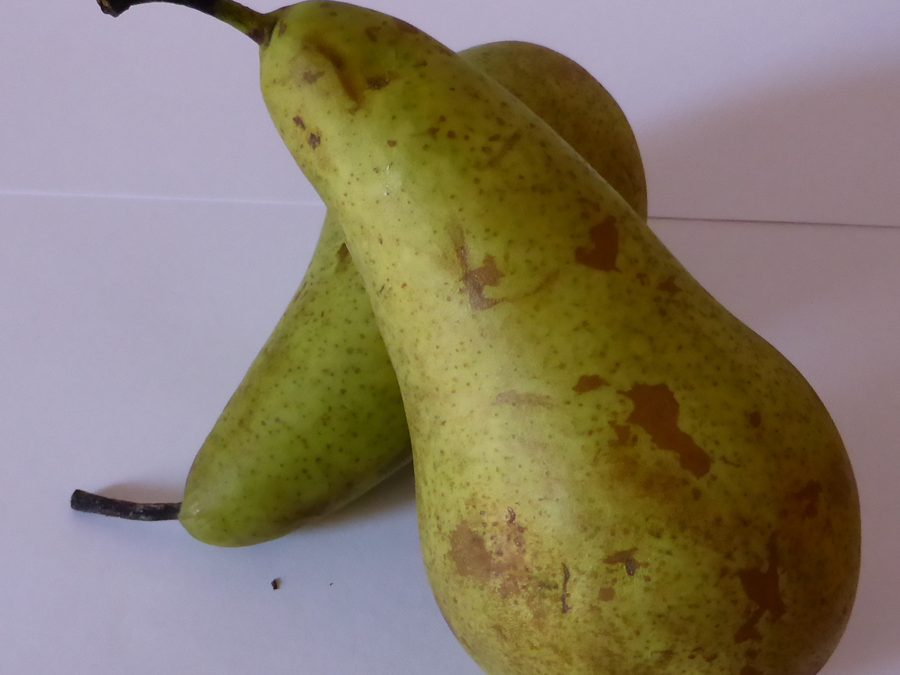
Pear
Soft when ripe, gentle on the stomach, and the go-to fruit when your baby is constipated.
Fruit
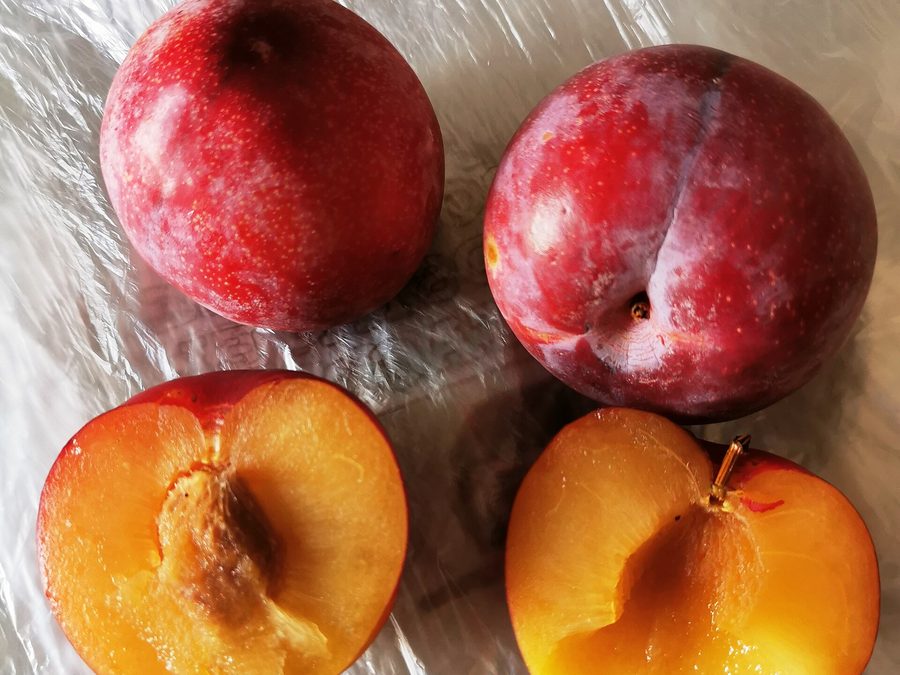
Plum
Naturally laxative, reliably soft when ripe — and the stone is not optional.
Fruit
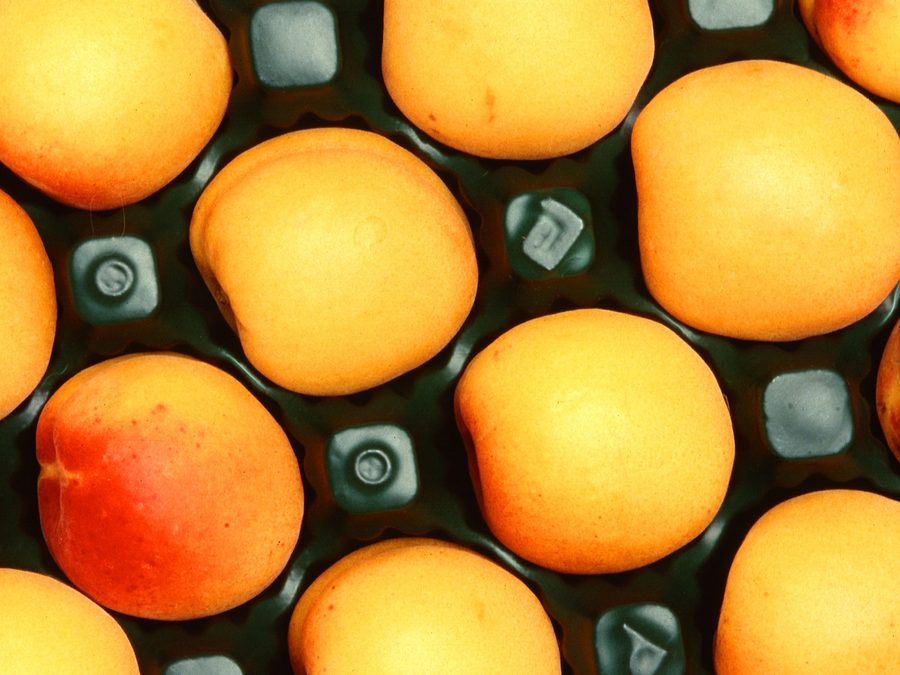
Apricot
Fresh or dried — and dried apricot is one of the better iron-bearing fruits.
Fruit
Dates
A natural sweetener with iron and fibre — always pitted, always chopped or puréed.