 FirstNom
Vegetable
Beetroot for babies
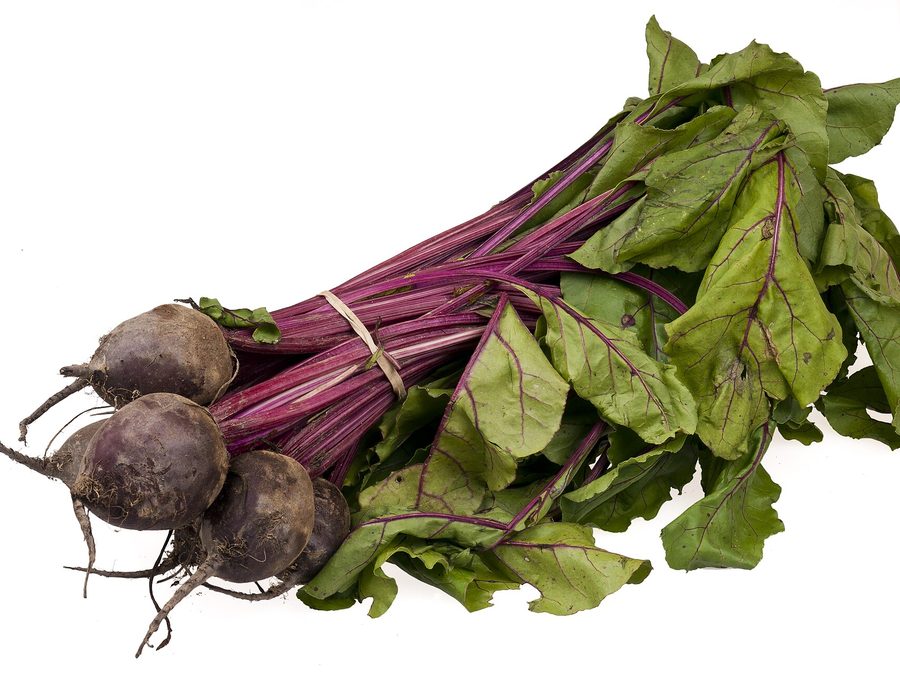
Beetroot is a good early vegetable with one surprise: it turns urine and stool pink or red. That is beeturia, and it is harmless.
When can babies have beetroot?
From around 6 months, cooked. Older advice restricted high-nitrate vegetables for young infants; current European and UK guidance does not restrict them for babies over 6 months eating a varied diet.
How do you serve beetroot to a baby?
The shape is what makes a food safe, and it changes as your baby’s grip and chewing change. Find your baby’s age band.
-
6–8 months
Roast or boil until completely soft, peel, and cut into finger-length wedges. Or serve as a purée mixed with something milder.
-
9–11 months
Soft cubes, or grated cooked beetroot in a fritter.
-
12–18 months
Cubes, wedges, or blended into hummus and pancakes.
-
18–24 months
Family portions, cooked. Skip the pickled versions.
Prep tip
Roast beetroot in foil with the skin on — the skin slips off afterwards and you avoid staining everything in the kitchen.
Storage
Raw beetroot keeps two weeks refrigerated. Cooked keeps four days and freezes well as purée.
Is beetroot a choking hazard for babies?
Cooked beetroot is soft and low risk. Raw beetroot is hard and should not be given. Vacuum-packed cooked beetroot is often stored in vinegar and is too acidic and salty — buy plain cooked or cook your own.
Whatever you serve, stay within arm’s reach, keep your baby upright in a supportive seat, and never let them eat in a moving car, buggy or carrier. Gagging is loud and normal. Choking is silent.
Is beetroot a common allergen?
Beetroot is not one of the nine most common food allergens. Any food can trigger a reaction, though, so offer it on its own the first time and watch for hives, vomiting, swelling or a change in breathing over the next two hours.
Is beetroot healthy for babies?
Beetroot is exceptionally high in folate and carries useful manganese and fibre. Its earthy sweetness is well accepted by babies, and it blends into purées and pancake batters without much argument.
| Folate | Very high |
|---|---|
| Nitrates | High |
| Manganese | Good source |
| Fibre | Good source |
| Iron (non-heme) | Some |
| Iron per serving | ~0.5 mg |
Common questions about beetroot
My baby's nappy is bright pink. Is that blood?
Almost certainly beeturia — the betacyanin pigment in beetroot passing through. It is harmless and clears within a day. If the colour persists beyond that or you are unsure, a photo for your health visitor settles it.
Are nitrates in beetroot a concern?
Not for babies over 6 months eating a varied diet. Current European and UK guidance does not restrict high-nitrate vegetables at this age. Do not repeatedly reheat cooked beetroot.
Guides for this food
Reference material
Guidance on this page follows the sources listed below.
Foods parents look at next
Vegetable
Carrot
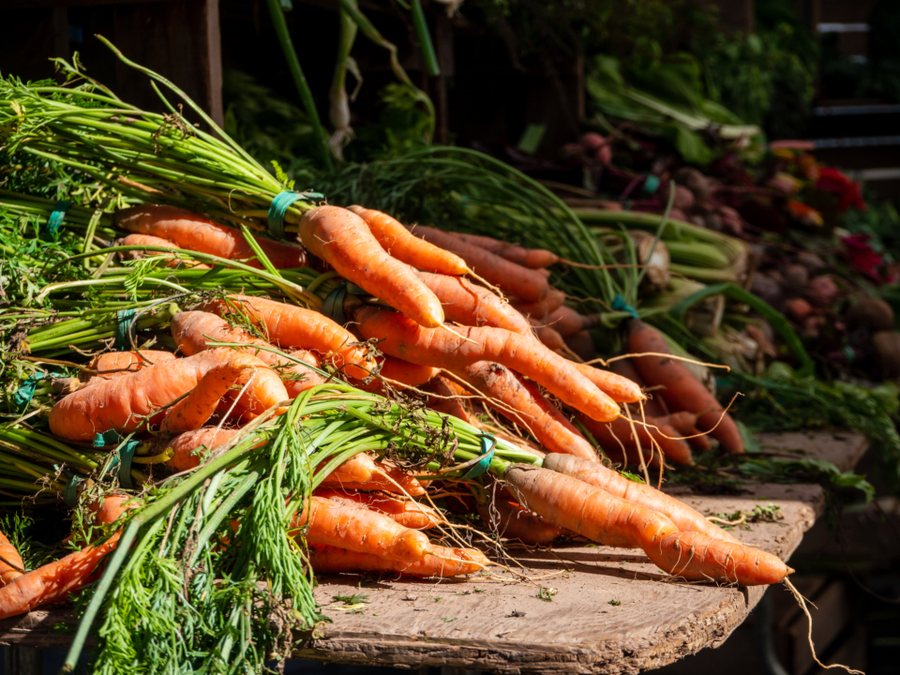
Safe when cooked soft, one of the highest-risk foods when raw — the shape matters more here than almost anywhere.
Vegetable
Parsnip
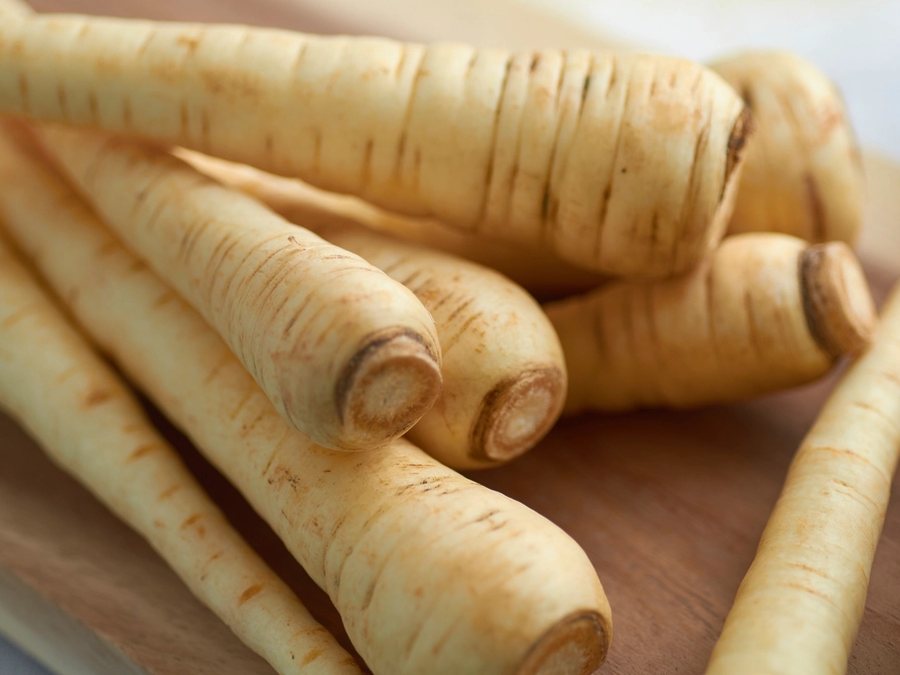
Sweeter than carrot when roasted, and soft enough to serve as a spear.
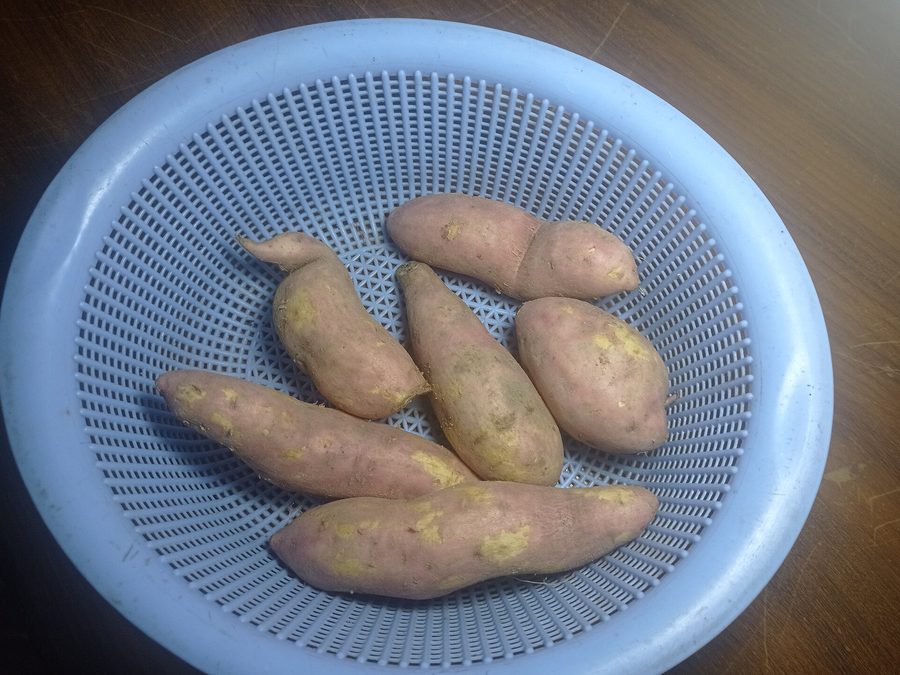
Vegetable
Sweet potato
Roasts to a soft, sweet spear that is easy to hold and hard to get wrong.
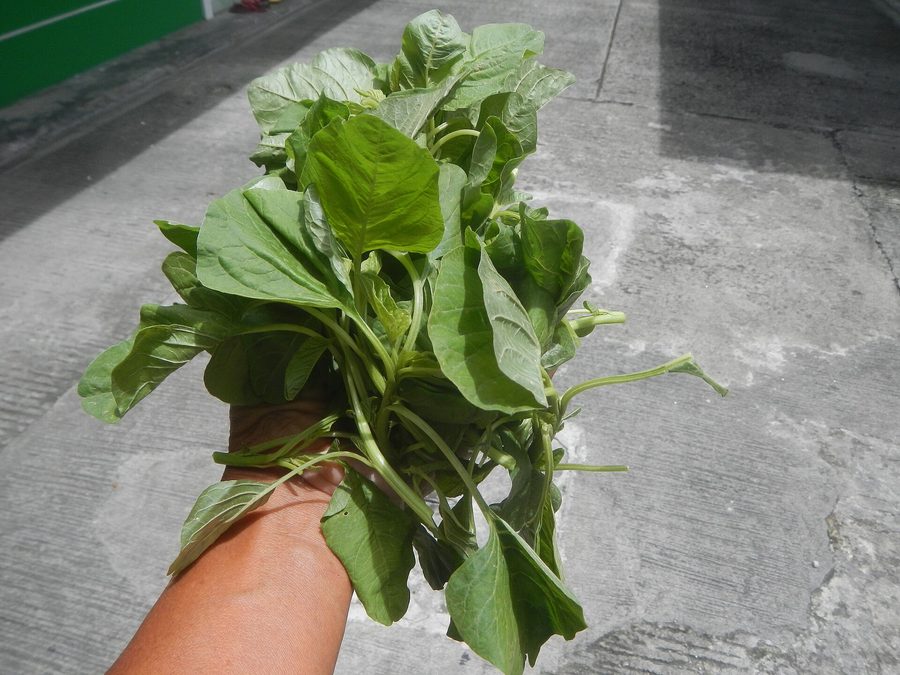
Vegetable
Spinach
Iron and folate in a leaf — but the iron is harder to absorb than the packaging suggests.