 FirstNom
Meat & fish
Sardines for babies
Tinned sardines are one of the best-value foods on this entire list: omega-3, vitamin D, B12, and soft edible bones that make them a real calcium source.
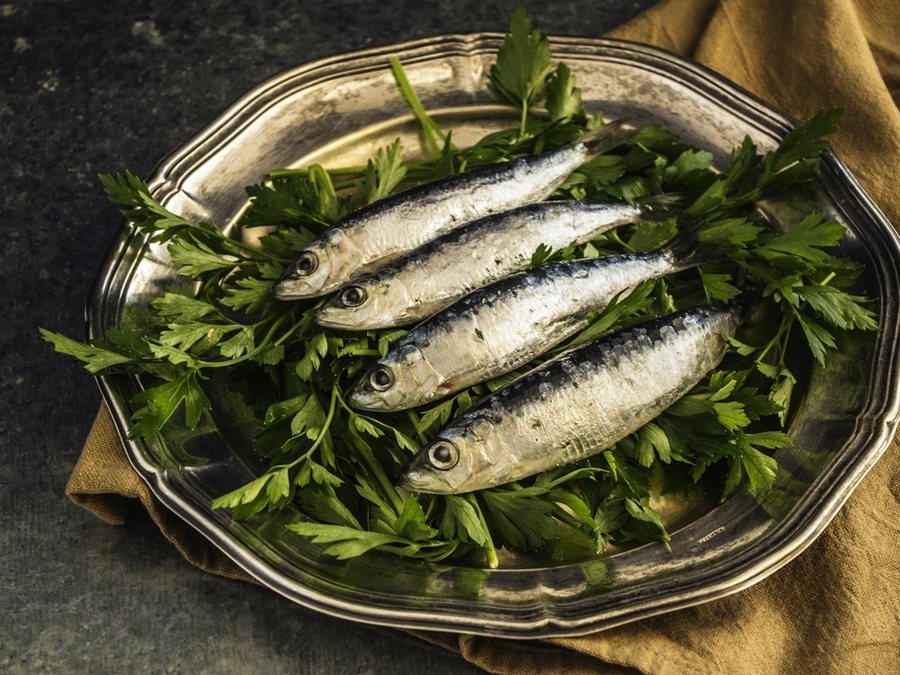
When can babies have sardines?
From around 6 months, tinned in water or olive oil with no added salt, mashed. Sardines are low in mercury and on the FDA and EPA best-choices list.
How do you serve sardines to a baby?
The shape is what makes a food safe, and it changes as your baby’s grip and chewing change. Find your baby’s age band.
-
6–8 months
Drain, mash thoroughly with the bones, and mix with mashed potato, avocado or a thick sauce so it binds. The flavour is strong — pairing with potato helps.
-
9–11 months
Mashed onto toast fingers, or mixed into a fish cake.
-
12–18 months
Mashed on toast, in pasta sauce, or in fish cakes.
-
18–24 months
As the family eats them. Buy no-added-salt tins.
Prep tip
Mash the bones in rather than picking them out. They are soft, they are safe, and they are where the calcium is.
Storage
Once opened, decant into a covered container and use within two days. Unopened tins keep for years.
Is sardines a choking hazard for babies?
Tinned sardine bones are soft enough to mash with a fork and are safe to eat — that is where much of the calcium is. Mash them thoroughly rather than leaving whole fillets. Fresh sardines have firmer bones that must be removed.
Whatever you serve, stay within arm’s reach, keep your baby upright in a supportive seat, and never let them eat in a moving car, buggy or carrier. Gagging is loud and normal. Choking is silent.
Is sardines a common allergen?
Sardines are fish, one of the nine common allergens. Fish allergy usually persists into adulthood. Introduce on its own, at home, earlier in the day, with two hours of watching.
Is sardines healthy for babies?
Sardines combine several things babies commonly lack: DHA for brain development, vitamin D, and calcium from the soft bones. They also carry more B12 than almost any other food. Because they are small and short-lived, they accumulate very little mercury. For cost per unit of nutrition, nothing else on this list comes close.
| Omega-3 (DHA/EPA) | Very high |
|---|---|
| Vitamin D | Very high |
| Calcium (with bones) | Very high |
| Vitamin B12 | Extremely high |
| Protein | Very high |
| Iron per serving | ~0.9 mg |
Common questions about sardines
Are the bones in tinned sardines safe for a baby?
Yes, and they are the point. Canning softens them completely — mash them into the flesh and they provide a significant amount of calcium.
Are sardines too salty?
Some tins are. Buy sardines in water or olive oil with no added salt where you can, and rinse if the tin is salted.
Guides for this food
Reference material
Guidance on this page follows the sources listed below.
Foods parents look at next
Meat & fish
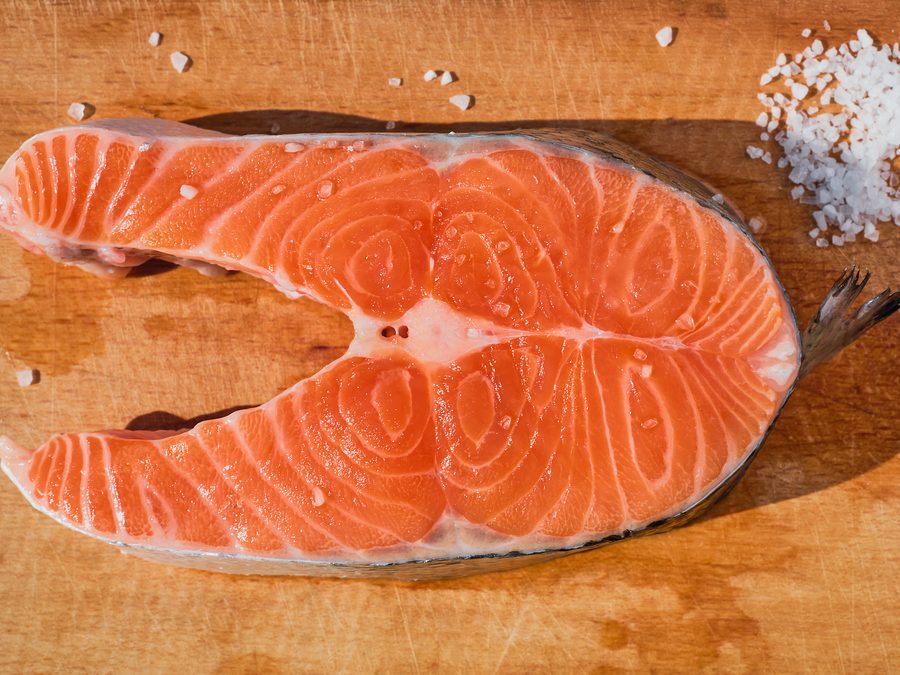
Salmon
Omega-3, vitamin D and a top-nine allergen worth introducing early — in one soft, flaky food.
Meat & fish
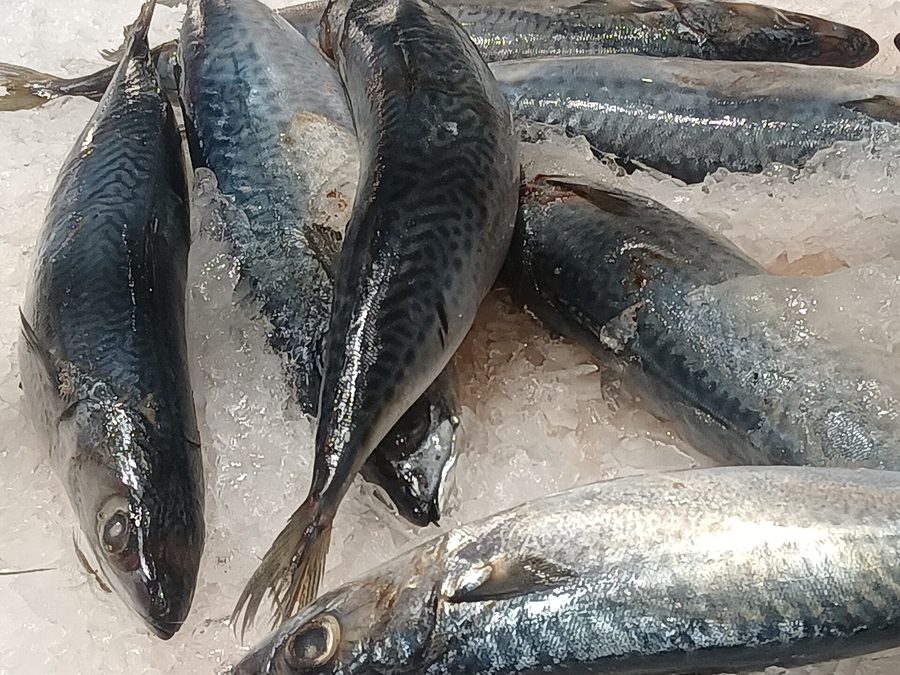
Mackerel
High in omega-3 — but the species matters, because king mackerel is on the avoid list.
Meat & fish
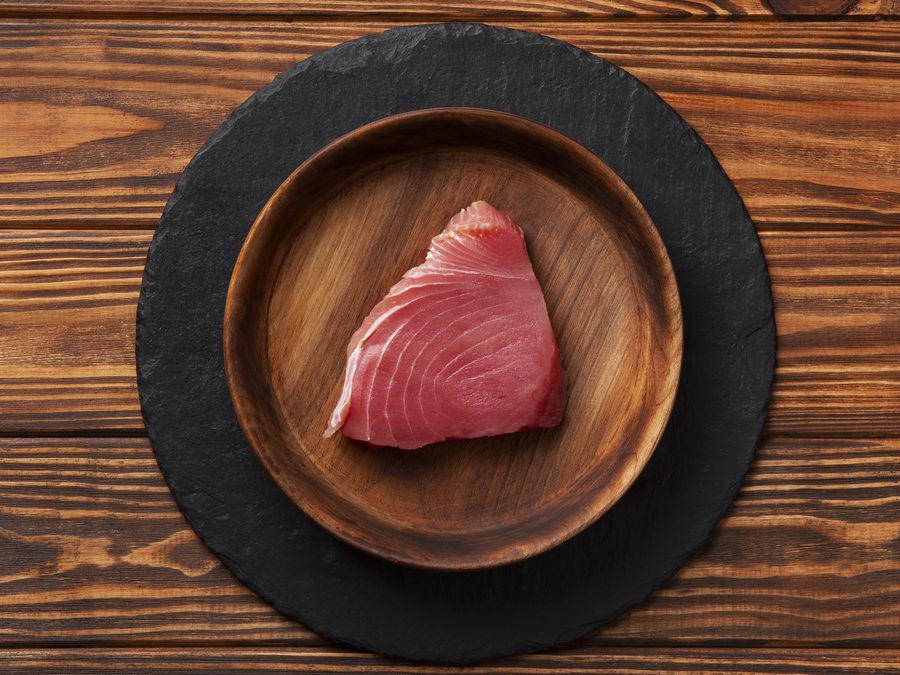
Tuna
Fine in moderation if you pick the right kind — mercury is the whole story here.
Meat & fish
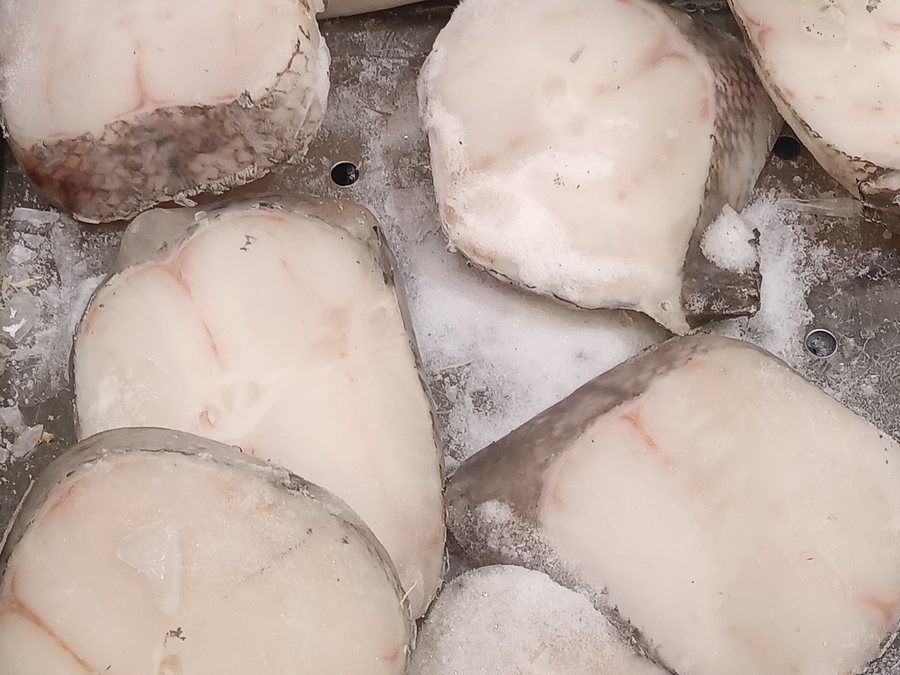
Cod
Mild, flaky and low in mercury — the least intimidating fish to start with.