 FirstNom
Meat & fish
Tuna for babies
Tuna is safe for babies with one important caveat: canned light tuna is a low-mercury best choice, while albacore and bigeye are not. The species matters more than the food.
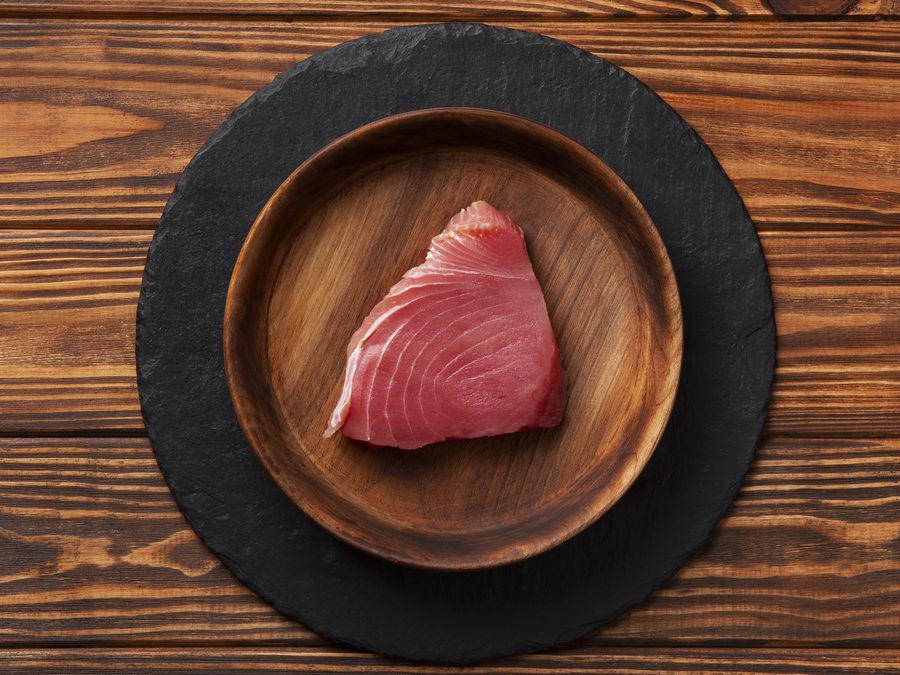
When can babies have tuna?
From around 6 months, choosing canned light tuna (skipjack) rather than albacore or bigeye. The FDA and EPA classify canned light tuna as a best choice and albacore as a 'good choice' with a lower weekly limit; bigeye tuna is on the avoid list entirely.
How do you serve tuna to a baby?
The shape is what makes a food safe, and it changes as your baby’s grip and chewing change. Find your baby’s age band.
-
6–8 months
Canned light tuna in water, drained well, mashed with avocado, yogurt or mashed potato so it binds. Dry flaked tuna is hard to pick up and hard to swallow.
-
9–11 months
Mashed into a spread on toast fingers, or in a fritter or fish cake.
-
12–18 months
Tuna pasta, tuna in a sandwich, or tuna fish cakes. Watch the mayonnaise salt.
-
18–24 months
Family portions, still using light rather than albacore tuna most of the time.
Prep tip
Buy tuna canned in water with no added salt and drain it thoroughly. Tuna in brine can carry a lot of sodium.
Storage
Once opened, decant tuna into a covered container and use within two days. Do not store it in the open can.
Is tuna a choking hazard for babies?
Canned tuna is soft, flaked and low risk. Check for the occasional bone fragment in cheaper cans. Fresh tuna steak is firm and dry and should be flaked and moistened.
Whatever you serve, stay within arm’s reach, keep your baby upright in a supportive seat, and never let them eat in a moving car, buggy or carrier. Gagging is loud and normal. Choking is silent.
Is tuna a common allergen?
Tuna is fish, one of the nine common allergens. If your baby has had salmon or cod without incident the risk is lower, but different species carry different proteins, so introduce on its own the first time.
Is tuna healthy for babies?
Tuna is dense protein with high B12, selenium and vitamin D, and canned tuna is one of the cheapest ways to get fish into a family diet. Canned in water with no added salt is the version to buy. Its omega-3 content is lower than salmon or sardines but not negligible.
| Protein | Very high |
|---|---|
| Vitamin B12 | Very high |
| Selenium | Very high |
| Vitamin D | Good source |
| Omega-3 | Moderate |
| Iron per serving | ~0.6 mg |
Common questions about tuna
How much tuna can a baby have?
Following FDA and EPA advice, canned light tuna counts toward the one to two low-mercury servings a week for young children, where a serving for a 1–3-year-old is about 30 g. Albacore ('white') tuna should be limited to less often, and bigeye avoided entirely.
Fresh tuna steak or canned?
Canned light tuna is lower in mercury than most fresh tuna steaks, which are usually yellowfin or bigeye. For a baby, canned light in water is the safer and cheaper choice.
Guides for this food
Reference material
Guidance on this page follows the sources listed below.
Foods parents look at next
Meat & fish
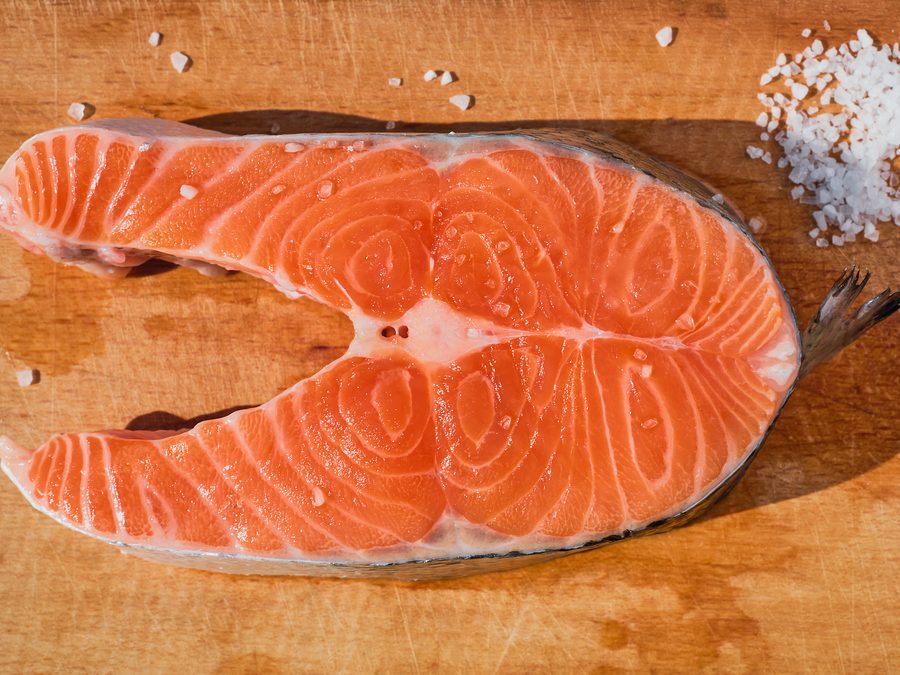
Salmon
Omega-3, vitamin D and a top-nine allergen worth introducing early — in one soft, flaky food.
Meat & fish
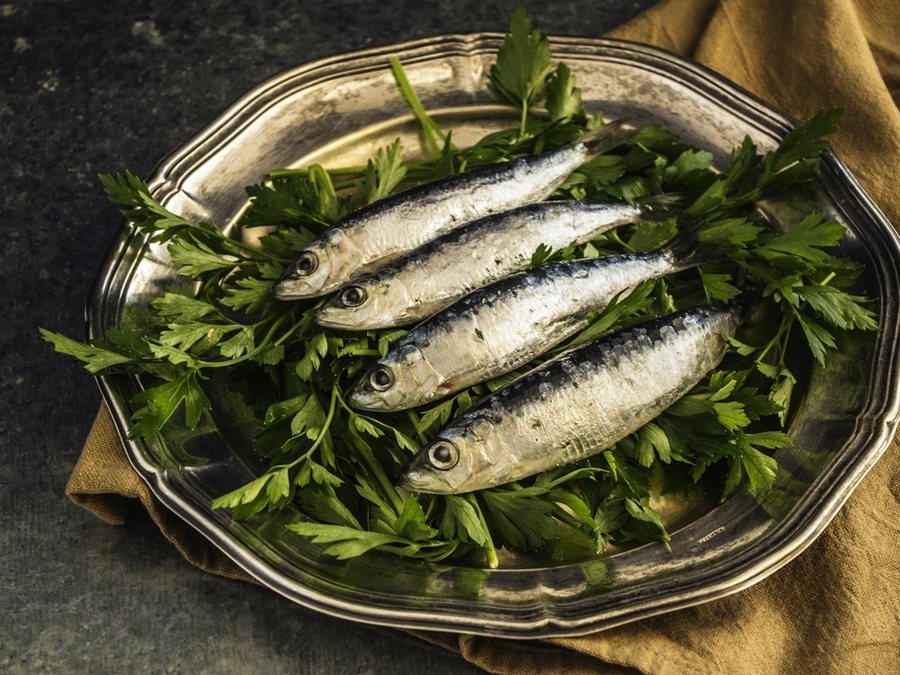
Sardines
Omega-3, vitamin D and edible bones full of calcium — cheap and genuinely excellent.
Meat & fish
Cod
Mild, flaky and low in mercury — the least intimidating fish to start with.
Meat & fish
Mackerel
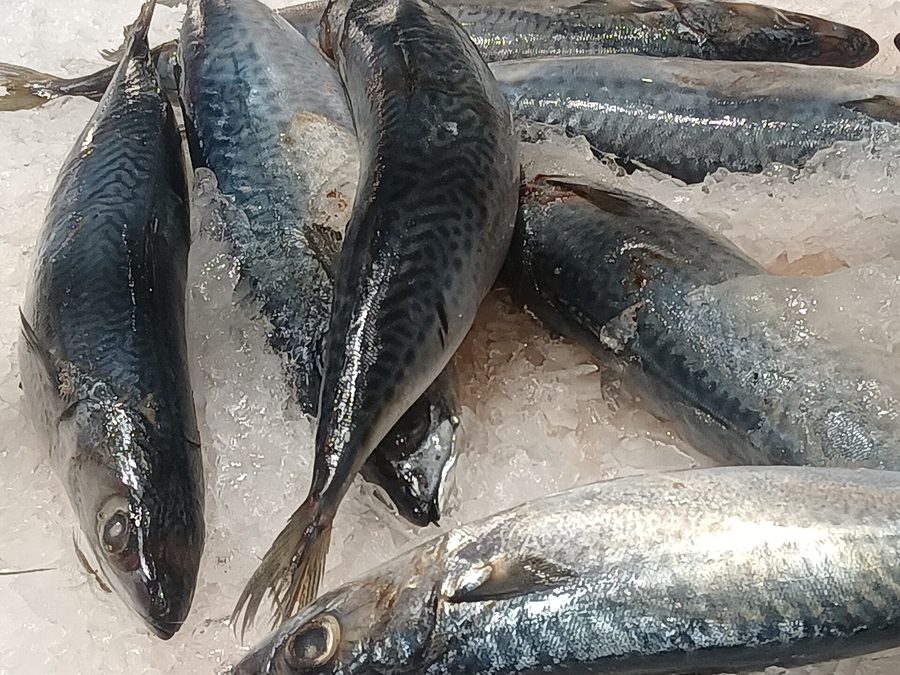
High in omega-3 — but the species matters, because king mackerel is on the avoid list.