 FirstNom
Nutrition
Iron Is the Real Reason Solids Start at 6 Months
A baby's iron stores run down at around six months and breast milk cannot top them back up. Here is what to serve, what blocks absorption, and the vitamin C trick that changes the maths.
· 5 min read
Most people assume solids start at 6 months because babies are hungrier. They are not, particularly. Milk is still doing most of the nutritional work at 7 months, and at 9.
Solids start at 6 months because of iron.
What actually happens at six months
A full-term baby is born with a stock of iron built up in the third trimester. That stock is designed to last roughly six months, and it does — after which it is largely spent.
Breast milk is a superb food in almost every respect and it contains very little iron. The iron it does contain is unusually well absorbed, but the total is small. It was never designed to carry a baby through the second half of the first year on its own.
So from around 6 months there is a gap, and food has to close it. A baby needs about 11 mg of iron a day from 6 to 12 months — more than an adult man does, on a fraction of the food volume. That is the actual problem early solids are solving.
Iron deficiency in infancy is not a minor issue. It is associated with effects on cognitive and motor development that are not always fully reversed by later treatment, which is why it gets this much attention.
Heme and non-heme iron
There are two kinds, and the difference is large.
Heme iron comes from animal flesh — meat, poultry, fish, shellfish. The body absorbs roughly 15–35% of it, and that absorption is fairly robust to what else is in the meal.
Non-heme iron comes from plants and from fortified foods. Absorption is roughly 2–20%, and it is heavily affected by everything else on the plate: vitamin C pushes it up, while phytates in wholegrains and legumes, calcium, and tannins in tea push it down.
Neither is better in principle. But it means a serving of beef and a serving of spinach with the same iron on the label do not deliver the same iron to the baby.
The foods that actually move the needle
Heme iron — the efficient route:
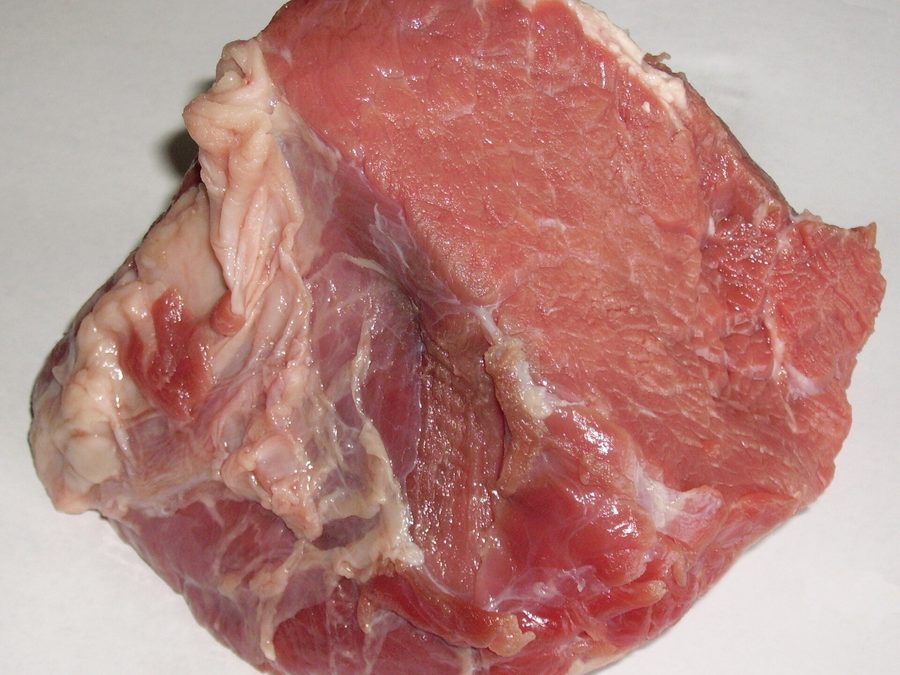
- Beef — the single best everyday choice. Slow-cooked and shredded, or minced into a sauce.
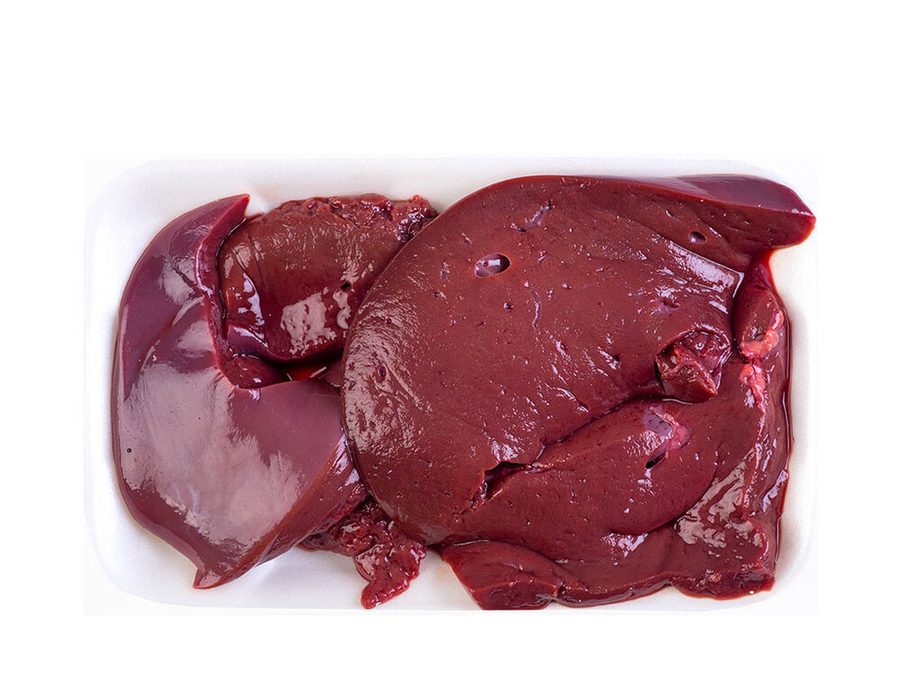
- Beef liver and chicken liver — by far the most iron-dense foods available, but limited to about once a week because of vitamin A.
- Lamb — close to beef, and very high in zinc.
- Mussels — roughly twice the iron of beef by weight, and heme iron at that.
- Duck and turkey — dark meat, more iron than chicken breast.
Non-heme iron — needs a vitamin C partner:
- Iron-fortified infant cereal — the most reliable single source, by design.
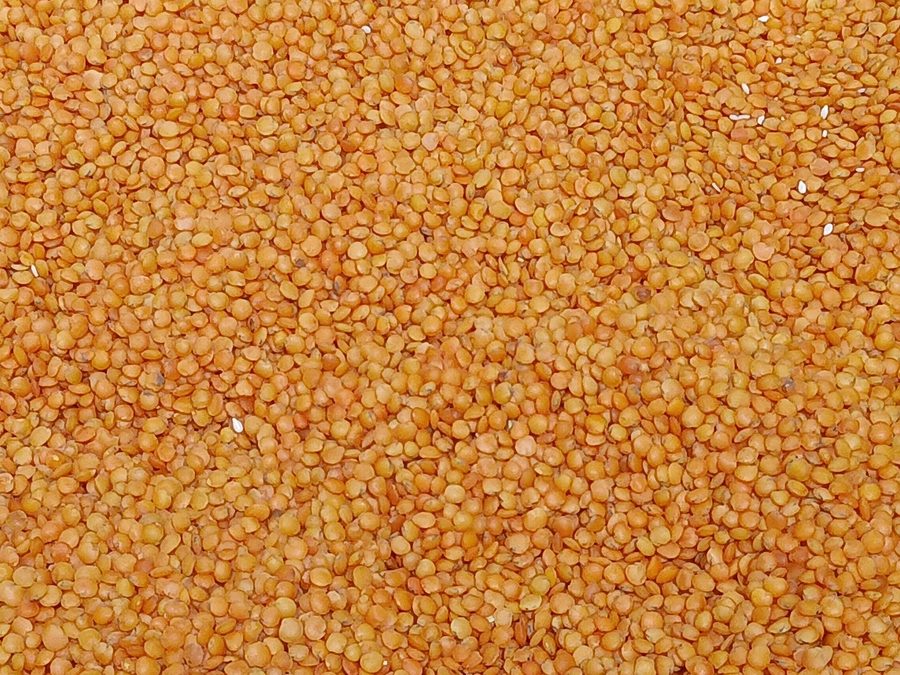
- Lentils, black beans, white beans, chickpeas.
- Tofu and edamame.
- Pumpkin seeds and tahini, ground or thinned.
- Kale and collard greens — better than spinach, for reasons below.
The vitamin C trick
This is the single most useful thing to know about infant iron.
Vitamin C in the same meal substantially increases non-heme iron absorption — studies have shown increases of several-fold depending on the amounts involved. It has to be in the same meal, not later in the day.
In practice:
- Lentils cooked with tomato.
- Iron-fortified cereal with mashed strawberry or mango.
- Beans alongside roasted red pepper — which carries more vitamin C than an orange.
- Kiwi or orange segments with a bean meal.
This is why the pairing matters more than the total on the label. A bowl of lentils with tomato delivers considerably more iron to your baby than the same lentils alone.
What blocks it
Cow’s milk in volume. This is the big one. Cow’s milk contains almost no iron, calcium competes with iron for absorption, and large volumes fill a baby up so food goes uneaten. Excessive milk intake is one of the most common causes of iron deficiency in toddlers. From 12 months, around 350–400 ml a day is the usual guidance; above about 500 ml it starts displacing food.
Calcium at the same meal. A large glass of milk alongside a lentil meal works against you. Space dairy and iron-rich meals apart where you can.
Phytates. Present in wholegrains and legumes — which are themselves iron sources, so this is not a reason to avoid them. Soaking, sprouting and fermenting reduce phytates, and the vitamin C effect substantially outweighs them.
Tea. Tannins strongly inhibit iron absorption. There is no reason to give a baby tea, and this is one of them.
The spinach myth
Spinach has a reputation for iron that the biology does not support. It does contain a good amount — but it is also high in oxalates, which bind iron and calcium and prevent much of either from being absorbed.
If you want dark leafy greens for iron and calcium, kale, bok choy and collard greens are far better choices, because they are low in oxalate. Spinach is still a good food — outstanding for folate and vitamin K — just not the iron food it is sold as.
A realistic day
You do not need to hit 11 mg with a spreadsheet. You need iron to appear at most meals rather than by accident.
- Breakfast: iron-fortified oatmeal with mashed strawberry.
- Lunch: lentil dal with tomato, and a strip of toast.
- Dinner: finely shredded slow-cooked beef with roasted sweet potato and a few strips of red pepper.
That is not a special diet. It is normal food, arranged so that the iron sources and the vitamin C sources land in the same meals.
When to ask your doctor
Raise iron at your next check-up if your baby:
- Was premature or low birth weight — those iron stores were smaller to begin with.
- Is exclusively breastfed and past 6 months with very little solid intake.
- Is drinking large volumes of cow’s milk after 12 months.
- Seems unusually pale, tired, or irritable, or has slowed down developmentally.
A blood test settles it. Do not start an iron supplement on your own — excess iron is harmful, and iron tablets are one of the most common causes of accidental poisoning in young children.
Questions parents ask
How much iron does a baby need?
Roughly 11 mg a day from 6 to 12 months, and about 7 mg a day from 1 to 3 years. That 11 mg figure is higher than an adult man's requirement, which is why it is genuinely hard to hit and why iron-rich foods have to be deliberate rather than incidental.
Should I give my baby an iron supplement?
That is a decision for your pediatrician, not something to start on your own. Excess iron is harmful and iron supplements are a common cause of accidental poisoning in young children. Exclusively breastfed babies, premature babies and babies with low birth weight are more likely to need one — ask at your check-up.
Can vegetarian babies get enough iron?
Yes, with planning. Lentils, beans, tofu, iron-fortified cereal and dark greens all carry iron, but it is non-heme iron and absorbed less efficiently. Pair every iron food with a vitamin C food in the same meal, keep large volumes of milk away from meals, and consider asking your pediatrician about checking levels.